
Commercial Space Reinstatement in Singapore: What Tenants Must Restore and Costs
A Singapore tenant's guide to commercial reinstatement: what the lease requires you to restore, typical cost ranges, and how to avoid disputes at handover.
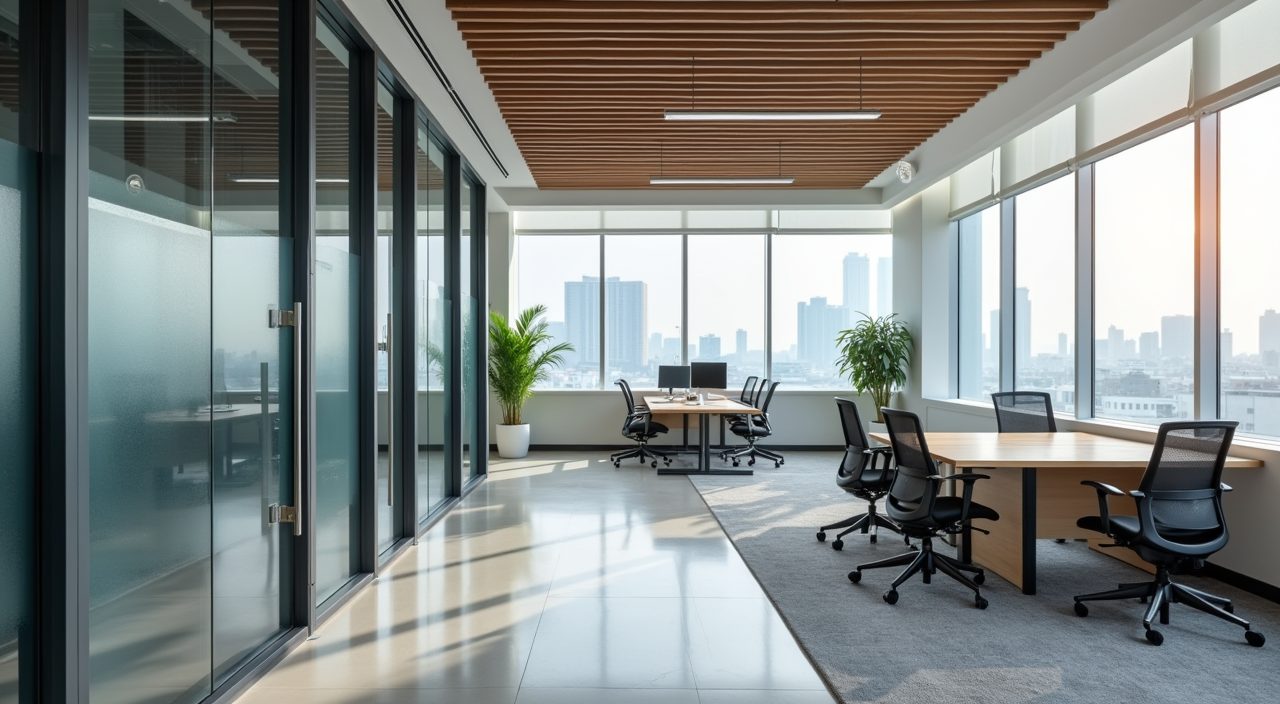
Commercial reinstatement in Singapore means returning a leased office, retail or F&B unit to the condition your lease requires when you move out, usually a bare or original state stripped of your fit-out. What you must restore is defined by your tenancy agreement and the handover condition report, so the exact scope varies from lease to lease. As a rough guide, reinstatement in Singapore commonly runs around 15 to 40 dollars per square foot, though F&B and heavily built-out spaces can cost considerably more.
Reinstatement is one of the most overlooked line items when a lease ends. Many tenants budget for the fit-out at move-in but forget that the same lease obliges them to undo that work at move-out. Getting the scope, timeline and costs right early protects your security deposit and avoids a last-minute scramble before the landlord's deadline.
What does commercial reinstatement actually mean?
Reinstatement is the contractual duty to hand the premises back in the state your lease specifies. For most Singapore commercial leases that means removing your fit-out and restoring the unit to bare condition or to the condition it was in when you took possession, whichever the lease names.
The reference point matters. Some leases require "original bare shell" or "warm shell" handover, while others require "reinstate to the condition at commencement." These are not the same, so read the exact wording and check any photos or condition report attached to your tenancy agreement.
- Bare shell: stripped back to structure, no ceiling, no flooring finish, basic services only
- Warm shell: some base building services in place, such as ceiling grid or basic M&E provisions
- Reinstate to commencement condition: put it back to how you received it, keeping landlord-provided finishes
What must a tenant typically restore?
The common scope covers everything you or a previous tenant added, plus any alterations you made to the base building. The goal is to remove your marks on the space and leave it clean, safe and ready for the next tenant.
Always cross-check the list against your lease. If the landlord approved certain works to stay, get that approval in writing so you are not charged to remove something they wanted kept.
- Partitions, glass walls and built-in joinery
- Carpet, vinyl, raised flooring and floor finishes you installed
- Suspended ceilings, bulkheads and cornices you added
- Your electrical wiring, DB boards, lighting and data cabling back to base provision
- Air-conditioning you installed, including ducting, FCUs and condensate lines
- Plumbing additions such as pantry sinks, water points and drainage
- Signage, decals, feature walls and paint, often repainted to a neutral white
- Making good all holes, patching walls, ceilings and floor slabs
How much does commercial reinstatement cost in Singapore?
Cost depends on the size of the unit, how heavy the original fit-out was, and the handover standard demanded. A simple open-plan office with light partitions sits at the lower end, while an F&B outlet with kitchen exhaust, grease traps, gas and heavy M&E sits far higher.
Treat the figures below as planning ranges, not quotes. Two units of the same size can differ widely depending on ceiling height, debris disposal, after-hours access rules in the building, and whether specialist works like fire protection or M&E recommissioning are involved.
- Basic office reinstatement: roughly 15 to 25 dollars per square foot
- Mid-range office with more fit-out: roughly 25 to 40 dollars per square foot
- Retail units: often 30 dollars per square foot and up, depending on shopfront and services
- F&B and food outlets: frequently the highest, driven by kitchen exhaust, plumbing and gas removal
- Add-ons that push cost up: after-hours work, debris disposal, hacking of screed, M&E and fire system recommissioning
Who is responsible, the landlord or the tenant?
In almost all Singapore commercial leases the tenant carries the reinstatement obligation and cost. The landlord sets the required handover condition and inspects the result, but the tenant pays for and organises the works.
If you sublet, or if you took over a space from a previous tenant, the obligation can carry forward. Clarify in writing who inherits the reinstatement duty before you sign, because a poorly worded assignment can leave you undoing someone else's fit-out.
How do you plan and get reinstatement done properly?
Start early. Most leases require reinstatement to be completed and the unit handed back by the last day of the term, so working backwards from that date gives you the room to get approvals, book contractors and pass inspection without paying holdover rent.
This is exactly the kind of renovation and restoration work our team handles for Singapore commercial tenants, coordinating the demolition, electrical make-good, plumbing removal, patching and repainting so the space passes the landlord's final inspection in one pass. A contractor who has done commercial handovers before will read your lease scope, flag anything the landlord approved to keep, and price the job against the actual condition report rather than guesswork.
- Read the lease reinstatement clause and locate the handover condition report
- Get a joint inspection with the landlord or their agent to agree scope in writing
- Obtain quotes based on that agreed scope, not a generic strip-out
- Confirm building management rules: work hours, hoarding, lift access, debris removal
- Book the works with a buffer before the lease end date
- Arrange a final joint inspection and get sign-off before returning the keys
What happens if you skip or dispute reinstatement?
If you hand back the unit without reinstating, the landlord will typically carry out the works themselves and deduct the cost from your security deposit, often at their own contractor's rates. If the deposit does not cover it, they can bill you for the balance, and disputes here are common.
The best protection is documentation. Keep the original condition report, photos from day one, written landlord approvals for anything left in place, and a signed final handover acknowledgement. Clear records are what turn a deposit standoff into a clean release.
Frequently asked questions
Is reinstatement always required in a Singapore commercial lease? Almost always, if your lease contains a reinstatement clause, which most do. The scope varies, so read the exact wording, but assume you are responsible for returning the space to the stated condition unless the landlord has agreed otherwise in writing.
Can I hand over the fit-out instead of removing it? Sometimes, if the landlord or incoming tenant wants to keep it. This must be agreed in writing before handover, otherwise you remain liable to reinstate. Never assume a verbal "leave it" removes your obligation.
How early should I start planning reinstatement? Ideally two to three months before lease expiry for a normal office, and earlier for F&B or large units. That gives time for a joint inspection, quotes, landlord approvals, booking contractors and passing the final handover inspection without incurring holdover charges.
Will reinstatement come out of my security deposit? If you do not complete it, yes. Landlords commonly do the work and deduct their cost from your deposit, which can exceed what an appointed contractor would have charged you directly. Doing it yourself on agreed scope is usually cheaper and gives you control over quality and timing.