
Flooring Options for HDB: Tiles vs Vinyl vs Laminate
Compare tiles, vinyl and laminate for your HDB flat: real Singapore costs, pros and cons, wet-area rules and how to pick the right floor.
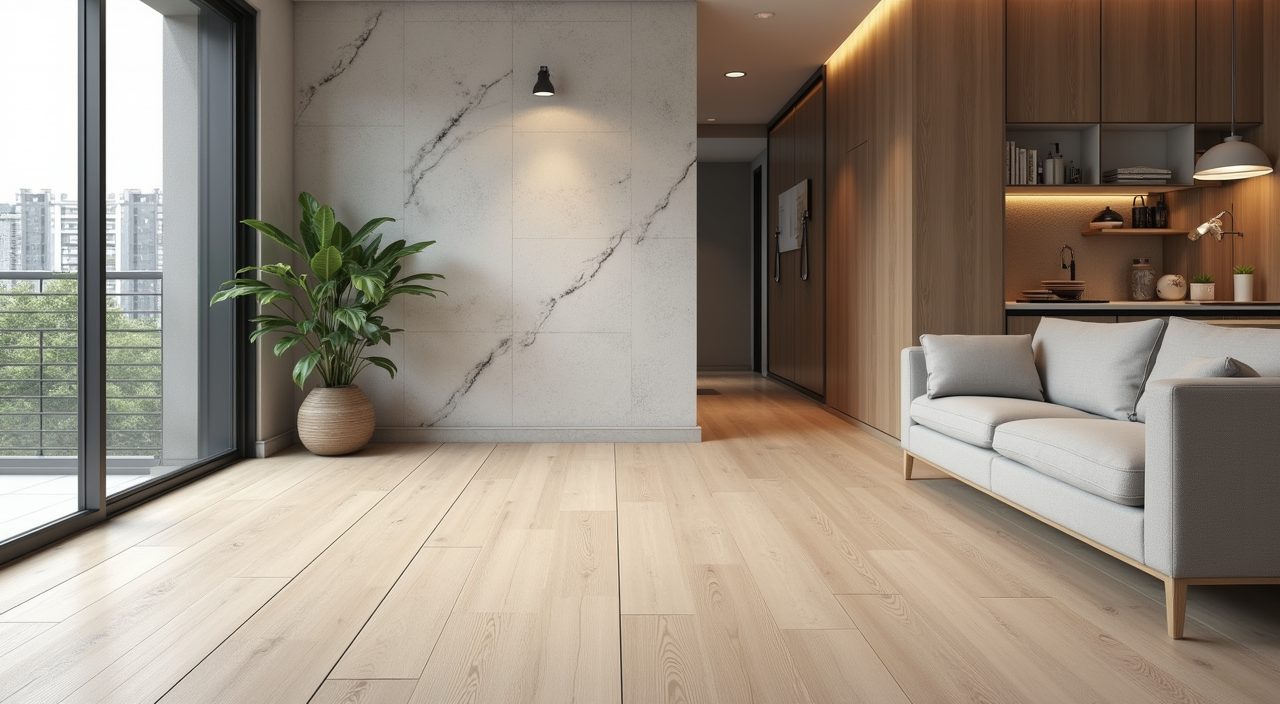
For most Singapore HDB flats, the three main flooring options are tiles, vinyl and laminate. Tiles are the most durable and water-resistant, so they suit wet areas and long-term homes. Vinyl is cheaper and faster to lay, often over existing tiles, which makes it popular for quick refreshes, while laminate gives a warm timber look but does not like water.
The right choice depends on your budget, whether you are hacking the existing floor, and how each room is used. A kitchen or bathroom has very different needs from a bedroom. Below is a plain comparison of cost, durability, water resistance and the local rules that actually affect HDB owners.
What are the main HDB flooring options?
Three materials cover the vast majority of HDB jobs. Each has a clear trade-off between price, look and how well it handles water and wear.
In practice, many homeowners mix them: tiles in wet zones and the living room, vinyl or laminate in bedrooms.
- Ceramic or porcelain tiles: hard, water-resistant and long-lasting, but colder underfoot and pricier to install.
- Vinyl (SPC or LVT click or glue-down): thin, warm, water-resistant and quick to lay, often installed over existing flooring.
- Laminate: an HDF core with a printed timber-look surface; comfortable and affordable, but swells if it gets soaked.
How much does each flooring type cost in an HDB?
Prices move with brand, thickness, finish and how much prep work is needed, so treat these as broad ranges rather than fixed quotes. As a rough guide for supply and installation in Singapore, vinyl and laminate usually land around 4 to 9 dollars per square foot, while tiling tends to run higher once you add hacking, screed and labour.
Tiling costs more partly because of the work around it: removing old tiles, laying screed and skirting all add up. Vinyl overlay is often the cheapest route because you can lay it over a sound existing floor and skip hacking. Always ask whether a quote is supply-only or supply-and-install, and whether hacking and disposal are included.
Which flooring is best for wet areas like kitchens and bathrooms?
Tiles win in wet areas. Porcelain and ceramic tiles handle standing water, steam and frequent mopping without swelling, which is why HDB bathrooms and most kitchens are tiled. A tiled floor with proper waterproofing is the safest long-term choice where water is a daily reality.
Vinyl is water-resistant and can work in kitchens if joints are tight and the subfloor stays dry, but it is not a true wet-area material for bathrooms. Laminate should be kept out of bathrooms and away from constant splashing entirely, since its core swells once water gets into the seams.
Can I lay vinyl or laminate over existing HDB tiles?
Yes, and this is one of the biggest reasons overlay flooring is popular. Click-lock vinyl and laminate can usually go straight over existing tiles as long as the surface is flat, sound and clean, which saves you the cost, dust and disposal fees of hacking.
The catch is height and unevenness. Overlaying raises the floor slightly, so you may need to trim doors, and badly cracked or hollow tiles should be fixed first. If the old floor is in poor shape, hacking and re-tiling can be the better long-term call even though it costs more upfront.
How durable is each option over the years?
Tiles are the most durable of the three. A well-laid tiled floor can last decades, resists scratches and heavy furniture, and is easy to keep clean, though a dropped pot can chip or crack a tile and colours may date over time.
Vinyl and laminate are softer and thinner. Good SPC vinyl handles daily foot traffic and moisture well and can last many years, while laminate wears comfortably in bedrooms but shows damage faster if it gets wet or takes heavy impact. For a rental or a shorter stay, overlay flooring often makes more sense than committing to tiles.
Are there HDB rules I need to know before changing my floor?
Yes. HDB restricts hacking of the original floor finish in wet areas for a set period after a flat is handed over, and floor works can generate noise and debris, so permitted renovation hours and proper waste disposal apply. You also need to protect common areas such as lift lobbies and corridors during the job.
A licensed HDB renovation contractor should know which works need a permit and how to handle waterproofing and disposal correctly. When in doubt, confirm the current rules with HDB or your town council before committing, since requirements are updated from time to time.
Getting the flooring installed properly
Whichever material you pick, the finish depends heavily on preparation: a level subfloor, correct screed, sound waterproofing in wet areas and clean, tight joints. Poor prep is the usual reason a floor looks uneven, sounds hollow or lifts within a year.
This is where professional tiling and masonry work pays off. Our team handles hacking, screeding, waterproofing, tiling and overlay installation for HDB flats, and can advise which option suits each room and your budget. If you want a clear quote, share your flat type, the rooms involved and whether you plan to hack or overlay.
Frequently asked questions
Is vinyl or laminate better for an HDB bedroom? Both work well in bedrooms since they are dry, low-water zones. Vinyl is more water-resistant and quieter to walk on, while laminate can feel closer to real timber; pick based on look, feel and budget.
Do I have to hack my old floor to install new flooring? Not always. If the existing tiles are flat and sound, you can often overlay vinyl or laminate on top and skip hacking, which saves cost and dust. Hacking is mainly needed when the old floor is damaged, uneven or you specifically want new tiles.
Which flooring is cheapest for an HDB flat? Vinyl overlay is usually the most budget-friendly because it is quick to install and often avoids hacking. Laminate is similar in price, while tiling tends to cost more once hacking, screed and labour are included.
How long does HDB flooring installation take? A single room overlay can often be done in a day, while full tiling with hacking, screed and drying time across a flat can take one to two weeks. Timelines vary with flat size, material and how much prep is needed.