
2026 Interior Design Trends in Singapore: What Is In and What Is Out
A 2026 guide to Singapore interior design trends: what is in (warm minimalism, curves, natural textures) and what is out, with HDB and condo-friendly tips.
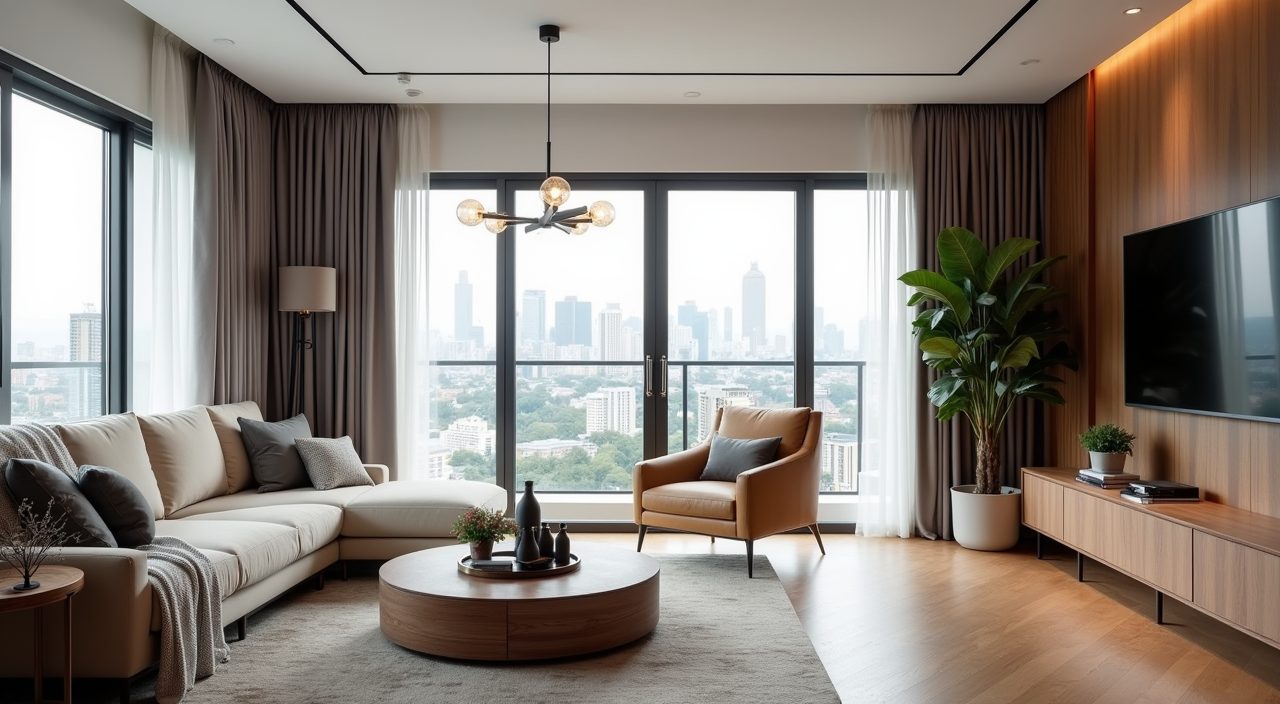
For 2026, Singapore homes are moving toward warm minimalism, natural materials, curved forms and quiet, layered colour rather than the cold all-grey look that dominated the last decade. What is out is the glossy, matchy showroom feel: think stark white monochrome, heavy accent walls, fast-fashion furniture and open-concept everything. What is in is a calmer, more personal home that ages well and suits our climate and space constraints.
Trends are a starting point, not a rulebook. In a compact HDB flat or condo, the smartest choices are the ones that respect your floor area, ceiling height and how your family actually lives. Below is a practical breakdown of what is genuinely worth adopting in 2026, what to avoid, and how each idea plays out in a typical Singapore home.
What are the biggest 2026 interior design trends in Singapore?
The headline shift is away from cold minimalism and toward warm, textured, human interiors. Colour is coming back in soft, earthy tones, and natural materials are replacing high-gloss finishes.
These are the directions most designers and homeowners here are leaning into for 2026:
- Warm minimalism: fewer objects, but warmer woods, soft whites and beige instead of stark grey and white.
- Earthy and muted colour: terracotta, clay, olive, warm taupe and deep greens, often as a whole-room mood rather than one loud accent wall.
- Curves and soft edges: arched openings, rounded sofas, pill-shaped mirrors and bullnose counters instead of hard right angles.
- Natural texture: fluted wood, rattan, travertine-look surfaces, microcement and boucle fabric.
- Quiet luxury: fewer, better pieces that feel considered, rather than a room full of trendy buys.
- Multifunctional zones: a study nook, dining and lounge that flex, which matters in tight local layouts.
What interior design looks are going out of style?
Several looks that felt fresh a few years ago now read as dated in 2026. Most were driven by showroom photos rather than daily living, and they tend to feel cold or high-maintenance in a real home.
Trends losing favour this year include:
- All-grey everything: grey floors, grey walls and grey sofa together now feel flat and lifeless.
- Cold industrial: exposed concrete, black metal and Edison bulbs as a whole theme rather than an accent.
- High-gloss laminate on every surface, which shows fingerprints and dust fast in our humidity.
- Single loud accent walls in one bright colour, especially feature walls that fight the rest of the room.
- Fast, trend-chasing furniture that looks tired within a year or two.
- Fully open-concept layouts with zero separation, which many families found noisy and hard to keep tidy.
What colours and materials are in for 2026?
Colour in 2026 is warm and grounded. Instead of a single feature wall, the trend is to wrap a room in one soft, earthy tone so it feels calm and cohesive. Natural, tactile materials do the heavy lifting.
Popular palettes and finishes for Singapore homes this year:
- Warm neutrals: off-white, oat, mushroom and warm greige as a base.
- Earthy accents: terracotta, clay, rust, olive and sage.
- Deeper moods: chocolate brown, forest green and warm charcoal for bedrooms and feature joinery.
- Materials: fluted and reeded wood panels, microcement, travertine and marble-look surfaces, rattan, oak-tone laminates and matte rather than glossy finishes.
- Metals: brushed brass and warm bronze instead of chrome or cool nickel.
How do these trends work in an HDB flat or condo?
In compact local homes, the goal is warmth without clutter and without eating floor space. Light, warm neutrals make small rooms feel bigger, while a few curved pieces soften a boxy layout. Built-in, floor-to-ceiling joinery in a wood tone gives storage and a calm, seamless look.
Practical ways to apply 2026 trends in a Singapore home:
- Use warm off-white on walls and ceilings to keep a small flat bright and airy.
- Add one or two curved items, such as a rounded sofa or arched mirror, rather than curving everything.
- Choose microcement or large-format tiles over busy patterns to keep sightlines clean.
- Bring in texture through rattan, fluted panels and boucle so a neutral room does not feel plain.
- Zone an open living-dining area with a rug, lighting or a low shelf instead of walls.
- Prioritise matte finishes, which hide dust and fingerprints better in humid conditions.
Which trends are worth the money and which are just hype?
Not every trend deserves your renovation budget. The best value goes to changes that are hard to redo later, such as layout, lighting and built-in carpentry. Save the trend-led touches for things you can swap cheaply as tastes shift.
A simple way to prioritise:
- Worth investing in: layout changes, good lighting, quality flooring and well-built joinery, since these last years and are costly to redo.
- Worth a moderate spend: fluted feature walls, microcement finishes and a statement stone-look counter.
- Keep cheap and changeable: paint colour, cushions, curtains, rugs and decor, so you can refresh the look without a full renovation.
- Be cautious with: very niche colours, heavily themed rooms and anything that dates quickly, since they are the first to feel old.
How do you get these trends done properly in your home?
Turning a moodboard into a real, well-built home is where a good contractor matters. Structural touches like arched openings, hacking to reconfigure a layout, feature lighting, microcement and custom carpentry all need proper planning, and in an HDB flat some works require HDB approval and a registered contractor. Getting the sequence right, from hacking and wet works to electrical, plumbing and finishing, keeps the project on budget and on time.
If you want the 2026 look done cleanly, it helps to work with a renovation team that can handle design, carpentry and the electrical and plumbing side under one roof. That avoids the finger-pointing that happens when trades are hired separately, and makes it easier to get accurate quotes and realistic timelines before you commit. When you plan your renovation, ask for a clear scope, a payment schedule tied to milestones, and confirmation that any HDB permits are covered.
Frequently asked questions
Is grey still in style for 2026? Grey is not banned, but all-grey rooms are out. In 2026 grey works best as a supporting tone alongside warm woods and earthy colours, not as the whole palette. A warm greige is a safer, more current choice than cool concrete grey.
Are open-concept layouts still a good idea in Singapore? Fully open layouts are less popular now because families found them noisy and hard to keep tidy. The 2026 approach is soft zoning: keep sightlines open but define areas with rugs, lighting, low shelving or partial partitions rather than removing all separation.
How much does it cost to renovate a Singapore home in the 2026 style? It varies widely by flat size, condition and how much carpentry and hacking you want. A light cosmetic refresh costs far less than a full renovation with built-ins and layout changes, so the honest answer is that it depends on scope. Get itemised quotes from at least two or three contractors before setting a budget.
Do I need HDB approval for these renovation works? Some works do, especially hacking of walls, floor finishes, plumbing changes and electrical rewiring, and these must use an HDB-registered contractor within permitted timings. Cosmetic changes like painting, curtains and furniture generally do not. Always confirm with your contractor and check current HDB rules before starting.