
Best Flooring Options in Singapore: Vinyl vs Tiles vs Laminate Compared
Vinyl, tiles or laminate? Compare cost, durability and water resistance for Singapore homes so you pick the right flooring for HDB, condo or landed.
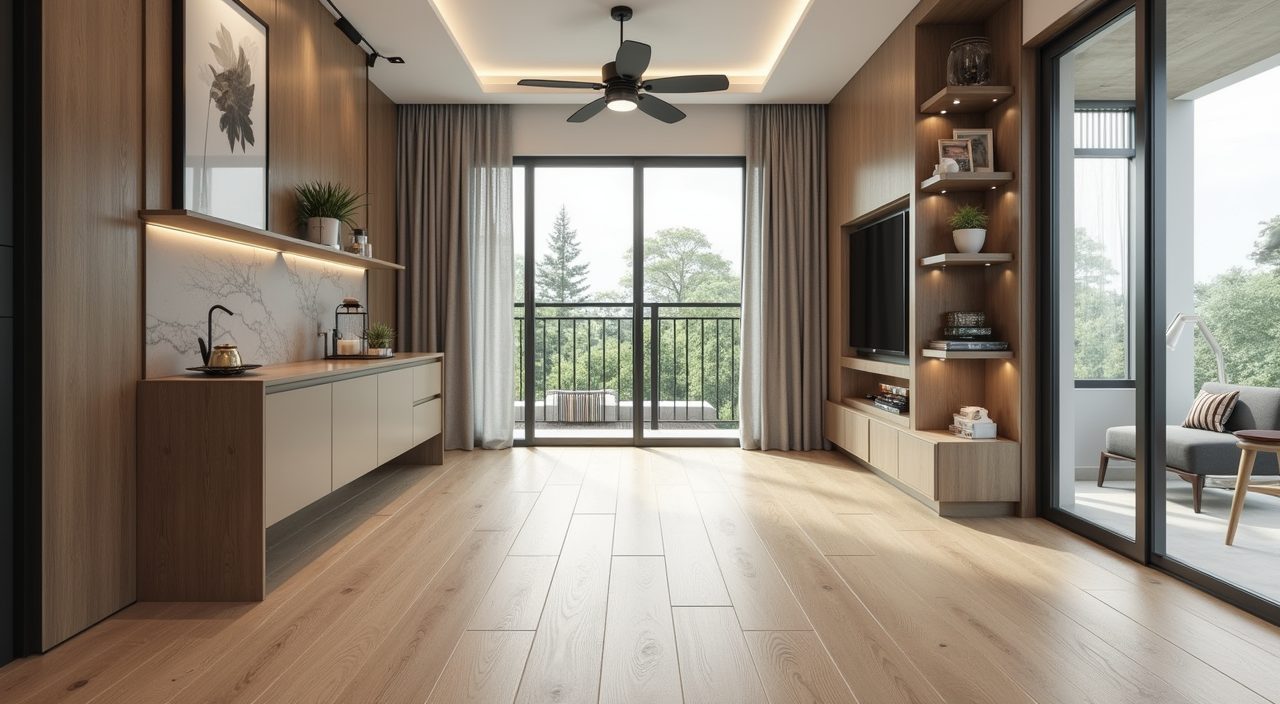
For most Singapore homes, vinyl and tiles are the two strongest choices, with laminate a distant third. Tiles win on durability and heat resistance and suit wet, humid conditions, while vinyl wins on comfort, quiet, warmth underfoot and easier installation over existing floors. Laminate looks like wood but handles moisture poorly, so it is the weakest fit for our climate unless you pick a waterproof grade.
There is no single "best" floor. The right pick depends on your budget, the room, whether you own or rent, and how much wear the floor will take. This guide compares vinyl, tiles and laminate honestly on the factors that matter in a Singapore flat or house: water resistance, durability, comfort, cost and resale.
What are the main flooring options for Singapore homes?
Three materials dominate local homes, and each behaves differently in our hot, humid weather.
Here is the quick shape of each option before we compare them in detail:
- Vinyl: usually SPC (stone plastic composite) or luxury vinyl plank/tile. Waterproof core, wood or stone look, warm and quiet underfoot, popular for HDB and condo renovations.
- Tiles: porcelain, ceramic or homogeneous. Extremely hard-wearing, heat and water resistant, the traditional Singapore default for living, kitchen and bathroom areas.
- Laminate: a printed decor layer over a compressed fibreboard (HDF) core. Realistic wood look at low cost, but the fibreboard core swells if water gets in unless it is a waterproof grade.
Which flooring is best for Singapore's humid, wet climate?
Water resistance is the single most important factor in Singapore because of high humidity, mopping, and the occasional pipe leak or aircon condensation. On this measure, tiles and SPC vinyl are safe, and standard laminate is risky.
Ranked from most to least suited to our climate:
- Tiles: fully waterproof and unaffected by humidity. The only material you should use in bathrooms and ideal for kitchens and service yards.
- SPC vinyl: waterproof rigid core, tolerates spills and damp well. Good for living, dining and bedrooms, though not a substitute for tiles in a wet bathroom.
- Laminate: standard HDF-core laminate can swell and lift if water sits on it. Only a genuinely waterproof laminate grade is worth considering here, and even then it trails the other two.
How do vinyl, tiles and laminate compare on cost?
Prices in Singapore move with brand, thickness, subfloor prep and installer, so treat these as broad supplied-and-installed ranges rather than fixed quotes. Always confirm on a site visit.
Typical installed cost per square foot as a rough guide:
- Vinyl (SPC / luxury vinyl): roughly 4 to 9 dollars psf installed, mid-range for most quality products.
- Tiles: roughly 5 to 12 dollars psf installed for the tile and laying; premium large-format or homogeneous tiles cost more, and hacking up old flooring adds to the bill.
- Laminate: often the cheapest at around 3 to 6 dollars psf installed, which is part of its appeal, but the lower upfront cost can be offset by shorter lifespan in humid rooms.
- Remember hidden costs: floor levelling, skirting, disposal of old flooring, and door adjustments if the new floor is thicker.
Which flooring lasts longest and is easiest to maintain?
For raw durability, tiles are the clear leader and can last decades without wear. Vinyl is very serviceable for a typical renovation cycle, and laminate has the shortest practical life in local conditions.
How they hold up day to day:
- Tiles: hardest surface, scratch and dent resistant, unaffected by heat. Downsides are hard and cold underfoot, and grout lines that need cleaning; a cracked tile is harder to replace neatly.
- Vinyl: comfortable and quiet, resists scratches reasonably well, and individual planks can be swapped if damaged. Heavy furniture can dent softer grades, and very hot pans or direct sun can affect cheaper products.
- Laminate: fine underfoot and easy to lay, but edges can chip and the core is vulnerable to moisture. Expect to replace it sooner than tiles or good vinyl.
Vinyl vs tiles vs laminate: which should you choose by room and situation?
Match the material to how the space is used rather than picking one floor for the whole home. Mixing tiles in wet zones with vinyl in dry living areas is common and sensible in Singapore.
A practical starting point:
- Bathrooms, kitchens, service yards: tiles, every time, for waterproofing and heat resistance.
- Living, dining, bedrooms: SPC vinyl for warmth, quiet and a wood look, or tiles if you prefer a cooler, ultra-durable surface.
- Rented units or quick refreshes: overlay vinyl can often go over existing flooring with minimal hacking, saving time and cost.
- Tight budget with dry, low-traffic rooms only: laminate can work, but choose a waterproof grade and keep it away from wet areas.
- Resale considerations: neutral tiles and quality vinyl generally appeal to more buyers than dated or worn laminate.
How do you get flooring installed properly in Singapore?
Good flooring is as much about preparation as the material. The subfloor must be level and dry, skirting and transitions need to be neat, and in HDB flats you must follow rules on renovation timing, permitted works and floor loading. Poor levelling causes hollow tiles, lifting vinyl and squeaky laminate, so the prep work matters more than the sticker price.
This is where a proper renovation contractor earns their keep. When you engage a team for your renovation, ask them to inspect the existing floor, advise on whether to hack or overlay, handle waterproofing in wet areas, and quote transparently for levelling, materials and disposal. Get the scope and per-square-foot rate in writing, and confirm any warranty on both the product and the workmanship before work begins.
Frequently asked questions
Can I lay vinyl or laminate over my existing HDB floor tiles? Often yes. SPC vinyl and laminate can be installed as an overlay over sound, level existing tiles, which avoids hacking and cuts cost and mess. The floor must be flat and dry first, and the added thickness may need door trimming, so have your contractor assess it on site.
Is vinyl flooring safe and durable enough for long-term use? Quality SPC vinyl from reputable brands is durable and hard-wearing for a normal renovation lifespan and is widely used in Singapore homes. Choose a decent thickness and wear layer, avoid the cheapest thin products, and it will handle everyday family use well.
Why is laminate less popular in Singapore than vinyl? Standard laminate has a fibreboard core that swells when exposed to moisture, which is a real risk in our humid climate and with regular mopping. Waterproof vinyl solved that problem, so many homeowners now pick vinyl for the same wood look with far better water tolerance.
How long does a flooring installation take? For a typical HDB flat, vinyl or laminate overlay can often be completed in a few days, while tiling takes longer because of hacking, laying, grouting and curing time. The exact schedule depends on the area, whether old flooring is removed, and how much levelling is needed, so confirm timelines with your contractor upfront.