
Aircon Gas Top-Up: When You Really Need It (and When You're Being Upsold)
A Singapore homeowner's guide to aircon gas top-up: the real signs you need refrigerant, honest price ranges, and how to spot an upsell.
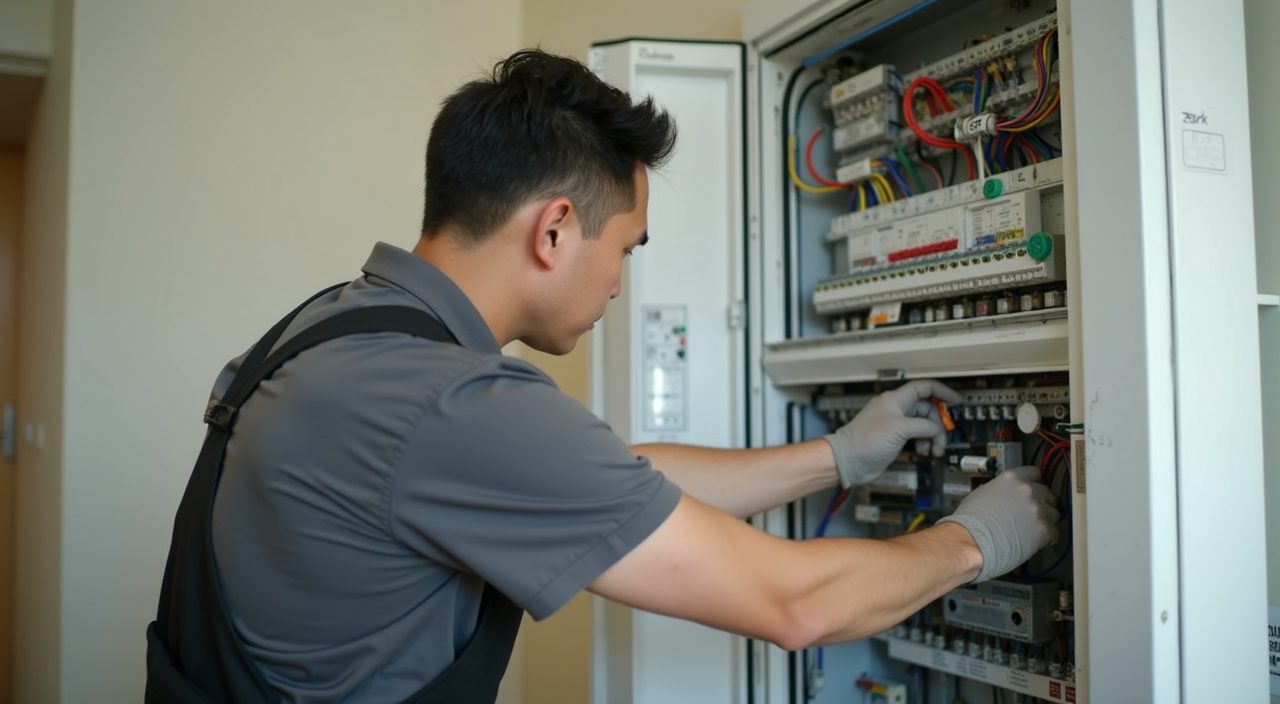
You only need an aircon gas top-up when your system has actually lost refrigerant, and that almost always means there is a leak somewhere. A sealed air-conditioner does not consume gas the way a car burns petrol, so if the same unit needs topping up every few months, the honest fix is finding and sealing the leak, not paying for more gas again and again. A one-off top-up is reasonable after a genuine leak has been repaired, but a top-up sold as routine yearly maintenance is usually an upsell.
In Singapore's climate your aircon runs hard almost all year, so a weak or warm unit is annoying fast. The trouble is that low cooling has many possible causes, and low refrigerant is only one of them. This guide explains the real symptoms of low gas, what an honest top-up should cost, and the sales lines that should make you pause before you say yes.
Does aircon gas run out on its own?
No. Refrigerant sits in a closed loop, and a healthy system holds the same charge for the life of the unit. If gas is low, it escaped through a leak: a loose flare joint, a corroded coil, a cracked pipe, or a fitting that was never sealed properly during installation.
This is the single most important fact for a homeowner to hold on to. Any technician who says gas simply evaporates over time, or that all aircons need topping up every year, is either mistaken or padding the bill. Gas leaving the system is a fault to be found, not a consumable to be replenished.
What are the real signs you need a gas top-up?
The clearest sign is an aircon that blows air but never gets properly cold, even after a full chemical wash and with a clean filter. Low refrigerant also shows up in a few tell-tale physical clues on the outdoor and indoor units.
Look for these together rather than relying on any single one:
- Air from the vents is weak or only mildly cool despite the compressor running
- Ice or frost forming on the copper pipes or the indoor coil
- The unit runs non-stop yet the room never reaches the set temperature
- Longer time to cool a room that used to chill quickly
- A hissing sound near the pipe joints, which can indicate an active leak
- Higher electricity bills because the system works harder for less cooling
What else causes weak cooling (so you are not upsold)?
Plenty of cooling problems have nothing to do with gas. Before agreeing to a top-up, rule out the cheaper and more common culprits, because paying for refrigerant will not fix any of these.
Common non-gas causes of poor cooling include:
- A clogged or dusty filter blocking airflow, often solved by a basic wash
- A dirty evaporator coil that needs a chemical wash, not more gas
- A failing or weak compressor, which is a repair, not a refill
- A faulty thermostat or control board reading the wrong temperature
- Blocked condenser airflow outside, common when units are boxed in or dirty
- An oversized room or open doors letting cool air escape
How much does an aircon gas top-up cost in Singapore?
Prices vary by refrigerant type and how much the system needs, so treat any figure as a range rather than a fixed rate. As a rough guide, a top-up in Singapore commonly falls somewhere in the region of 80 to 200 dollars per unit for older R22 systems, and can differ for newer R32 or R410A systems. Ask for the price per unit and the refrigerant type in writing before work starts.
Be wary of a very cheap headline top-up price used to get the technician in the door, followed by add-ons once they are on site. A trustworthy quote separates the diagnostic or leak check, the gas itself, and any repair, so you can see exactly what you are paying for.
- Confirm the refrigerant type, since R22, R32 and R410A are priced differently
- Ask whether the quote is per unit or for the whole system
- Request that a leak test is done before, not after, paying for gas
- Get the total in writing to avoid surprise add-ons
How do you spot an aircon gas upsell?
The most common upsell is being told your unit needs gas when the real problem is a dirty coil or filter. The second is repeated top-ups on the same unit without anyone ever tracing the leak, which just recharges a system that keeps bleeding out.
Watch for these warning signs during a service visit:
- Gas is recommended without any pressure gauge reading or leak test being shown
- You are told topping up is normal yearly maintenance
- The same unit has needed gas more than once in a year with no leak repair
- No before-and-after temperature check is offered to prove the fix worked
- The technician pushes a top-up before even removing and inspecting the filter
When is a top-up genuinely the right call?
A gas top-up is legitimate once a leak has been found and repaired, because the system needs to be recharged to the correct level afterward. It is also fair after a repair that opened the refrigerant circuit, such as replacing a coil or a section of piping.
The right sequence is diagnose, repair the leak, then recharge, and finally verify the room cools properly. If a company skips straight to charging gas without checking why it was low, you are paying for a symptom while the cause stays broken.
Who should do the work, and why does it matter?
Refrigerant handling, leak detection and pipe repair are specialist tasks, and doing them properly protects both your unit and your electricity bill. A rushed top-up on a leaking system wastes money and can damage the compressor if the unit keeps running low on gas.
If your cooling is weak and you are unsure whether it is gas, a coil, or something electrical, it is worth having a proper aircon servicing and repair team diagnose it end to end rather than guessing. Our team handles aircon diagnosis, leak repair and recharging alongside the wider electrical work in your home, so the actual fault gets found instead of just refilled. You can arrange that through the services we offer for Singapore homes.
Frequently asked questions
How often should aircon gas be topped up? Ideally never on a routine basis. A properly sealed unit holds its charge for years, so if you find yourself topping up regularly, the priority is locating and repairing the leak rather than scheduling repeat refills.
Can I just top up the gas to save money instead of fixing the leak? It feels cheaper short term, but a leaking system will lose the new gas again and can strain the compressor while running low, which is a far more expensive repair. Fixing the leak once is the cheaper path overall.
Why is my aircon not cold even after a top-up? Because low gas may not have been the real problem. Weak cooling is often caused by a dirty coil, a clogged filter, a weak compressor or a faulty thermostat, none of which refrigerant can fix, so a proper diagnosis is needed.
Is a yearly gas top-up part of normal servicing? No. Standard aircon servicing means cleaning filters, coils and drainage, not adding gas. Any regular schedule that bundles in a gas top-up as a matter of course should be questioned.