
Basin, Kitchen and Bath Taps: A Guide to Choosing the Right Tap Type
A Singapore homeowner's guide to tap types for basins, kitchens and baths: pillar, mixer, pull-out, wall-mounted and more, plus how to choose right.
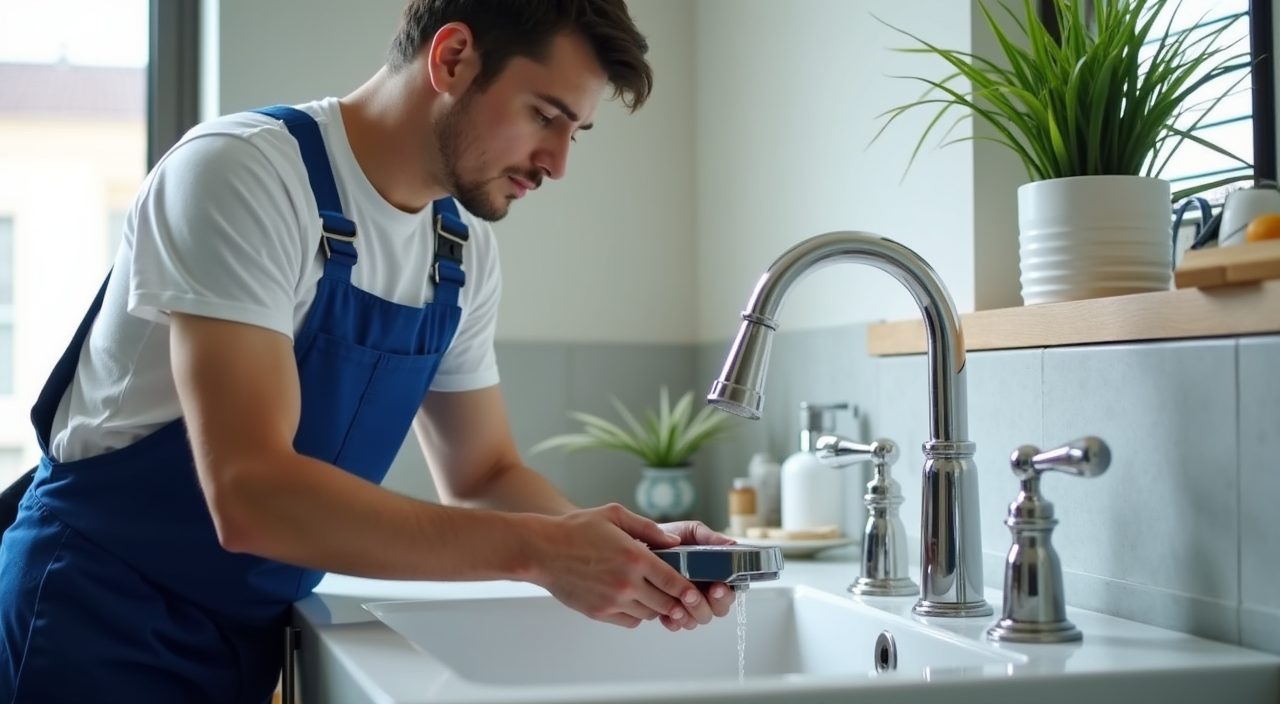
The right tap type depends on the fixture and how the water arrives at it. Basins and kitchen sinks with both hot and cold supply usually take a single-lever mixer, while a spot fed by only one pipe takes a simple pillar tap. For baths, choose between a deck-mounted mixer, a wall-mounted spout or a bath-shower mixer based on how your tub is plumbed.
In most Singapore HDB flats and condos, the kitchen and bathroom basins are fed cold water only from the mains, so a single pillar tap is standard unless you have added a storage or instant water heater. Getting the tap type wrong is a common cause of leaks, weak flow and awkward installs, so it pays to match the tap to the hole spacing, the water supply and the way you actually use the space.
What are the main tap types?
Taps are grouped by how they control water and how they mount. Understanding the categories makes it easier to shortlist the right one for each room.
- Pillar tap: a single tap delivering one temperature (usually cold), mounted in one hole. Common on HDB bathroom basins.
- Mixer tap: blends hot and cold through one spout. A single-lever mixer uses one handle; a dual-handle mixer has separate hot and cold controls.
- Pull-out or pull-down tap: a kitchen mixer with a spray head on a hose, handy for rinsing pots and the sink.
- Wall-mounted tap: the spout and controls come out of the wall rather than the countertop, giving a clean deck.
- Sensor or touchless tap: opens on hand detection, useful for hygiene but needs power or batteries.
- Bib tap: a simple threaded outlet, often for the washing machine, service yard or garden hose.
Which tap should I choose for a bathroom basin?
For most Singapore bathroom basins, a single-lever basin mixer or a basin pillar tap is the practical choice. If your basin has only a cold supply, which is typical without a heater near the sink, a pillar tap is all you can use. If you have run a hot line or added a heater, a basin mixer lets you set a comfortable temperature with one hand.
Check the tap height and reach against your basin. A tall vessel basin that sits on top of the counter needs a taller spout, while a countertop or under-counter basin works with a standard height mixer. Confirm the basin has one tap hole for a mixer, as many modern basins are drilled for a single centre tap.
Which tap works best for a kitchen sink?
A single-lever kitchen mixer with a tall, swivelling spout suits most kitchens because it clears large pots and swings across a double bowl. A pull-out or pull-down spray head is a genuine upgrade if you wash big trays, fill kettles or rinse the sink often.
Remember that many HDB kitchens supply cold water only, so a mixer will still run cold unless a hot line is present. If you want warm water at the kitchen sink, plan for a heater and hot supply first. Also match the spout height to any window or upper cabinet above the sink so the handle has room to lift fully.
What about bath and shower taps?
Bath taps come in a few forms, and the right one depends on how your tub is plumbed and whether you want a handheld shower too.
- Deck-mounted bath mixer: sits on the rim of the tub, suits baths with pre-drilled tap holes.
- Wall-mounted bath spout with mixer: clean look, needs pipes chased into the wall, best planned during renovation.
- Bath-shower mixer: combines a tub filler with a diverter to a handheld shower, common in compact Singapore bathrooms.
- Freestanding floor-mounted filler: a tall column tap for standalone tubs, requires floor plumbing and is more involved to install.
How do I match a tap to my pipes and holes?
Three things decide fit: the number and spacing of tap holes, the water supply available and the connection type under the fixture. A mixer needs one hole and both hot and cold feeds; a pillar tap needs one hole and one feed. Trying to fit a mixer where only cold is supplied simply gives you cold water from both settings.
Most Singapore taps connect with flexible braided hoses to standard 15mm angle valves, but always confirm thread sizes and hose length before buying. If you are moving from two separate taps to a single mixer, or the other way around, the basin hole layout may not match and you could need a new basin or an adaptor plate.
When should I call a plumber?
Swapping a like-for-like tap on an accessible angle valve is within reach of a confident DIYer. Call a professional when the job involves changing supply pipes, moving the tap position, chasing pipes into a wall for a wall-mounted design, or when you keep getting drips at the connections. Concealed and wall-mounted taps in particular are much easier to get right during a renovation than after tiling is done.
For a clean result with no hidden leaks, our plumbing team can advise on the right tap type for each fixture, confirm your water supply, and handle the installation and any pipe changes. Getting the supply and hole spacing checked before you buy saves the frustration of a tap that will not seal or fit.
Frequently asked questions
Can I fit a mixer tap if I only have a cold water pipe? You can physically install it, but it will only run cold because there is no hot feed to blend. To get warm water you first need a hot supply, usually from a storage or instant heater, run to that tap.
What is the difference between a pillar tap and a mixer tap? A pillar tap delivers one temperature through one spout and needs a single supply, while a mixer blends hot and cold through one spout and needs both feeds. Pillar taps are common on HDB basins that only have cold water.
Are pull-out kitchen taps worth it in a Singapore kitchen? For many homes yes, since the spray head makes rinsing pots and cleaning the sink easier. They cost a little more and have an extra hose to maintain, so weigh the convenience against the price.
Do I need to turn off the water to change a tap? Yes, close the angle valve under the fixture, or the main stopcock if there is no local valve, then open the tap to release pressure before you disconnect anything. If you cannot locate or turn a stuck valve, it is safer to get a plumber to do the swap.