
Bathroom Waterproofing in Singapore: Membranes, Costs and Why It Matters
A Singapore homeowner's guide to bathroom waterproofing: membrane types, realistic costs, HDB rules and why cutting corners leads to costly leaks.
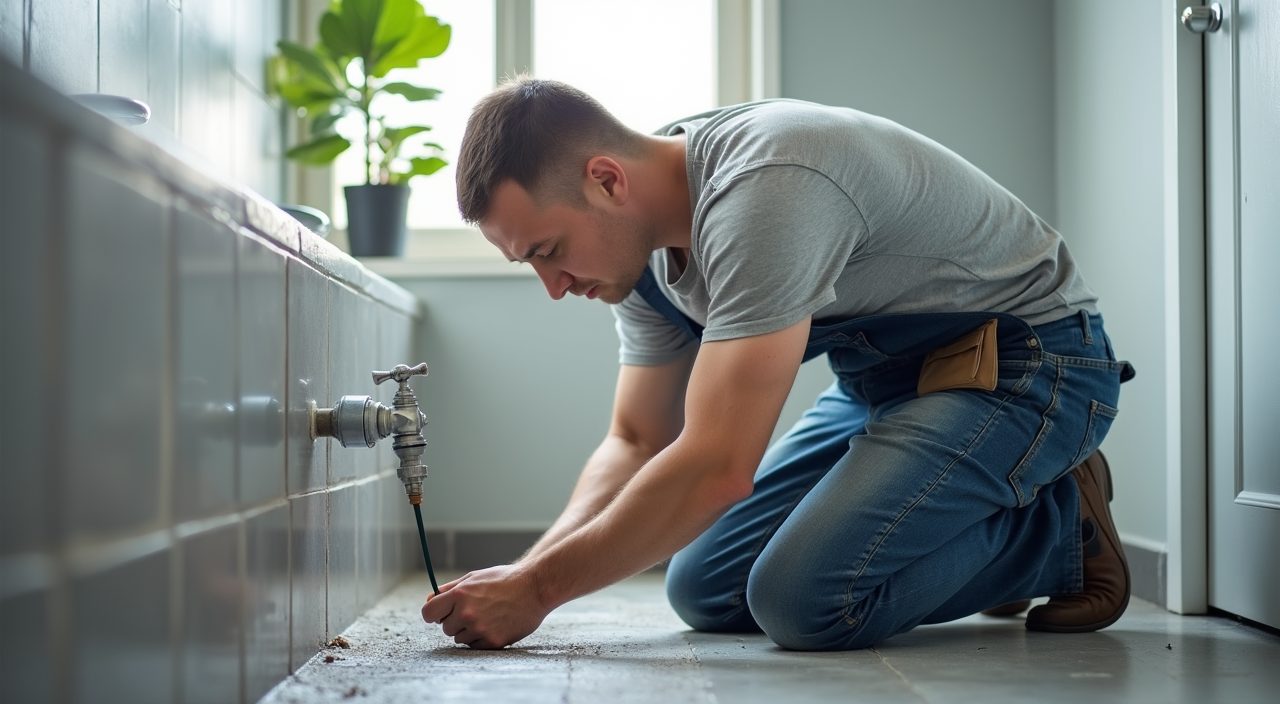
Bathroom waterproofing is a liquid or sheet membrane applied to the floor and lower walls before tiling, so water cannot seep into the concrete slab and reach the unit below. In Singapore, most bathroom renovations budget roughly 400 to 1,200 dollars per bathroom for the waterproofing layer alone, depending on membrane type, area and whether old tiles are hacked off first. It matters because a failed membrane is the single most common cause of ceiling leaks between HDB and condo units, and fixing it after tiling costs far more than doing it right the first time.
Waterproofing is the invisible layer you never see once the tiles go on, which is exactly why it is so often rushed or skipped. This guide explains the common membrane options used in Singapore homes, what drives the cost, the HDB rules you need to know, and how to tell if your bathroom needs redoing.
What is bathroom waterproofing and why does it matter?
Waterproofing is a continuous barrier applied over the bare concrete screed, turned up the walls, and sealed around floor traps, pipe penetrations and the shower area. Tiles and grout are not waterproof on their own; water passes through grout lines and sits on the membrane, which channels it to the floor trap instead of into the slab.
In Singapore's high humidity and with wet bathrooms being the norm, a weak or missing membrane lets water track down into the slab and appear as a stain, drip or peeling paint on the ceiling of the unit below. Because the leak often shows up in a neighbour's home, the cost and the dispute both land on you.
What types of waterproofing membranes are used in Singapore?
Most HDB flats and condos use liquid-applied membranes because they are seamless and easy to work around drains and corners. The main options you will be quoted are:
- Cementitious (polymer-modified cement): the most common and affordable choice, brushed or trowelled on in two coats, good for standard bathroom floors and walls.
- Polyurethane (PU) liquid membrane: more flexible and elastic, better at bridging small cracks, often used for balconies, roof gardens and heavier-duty wet areas.
- Acrylic liquid membrane: easy to apply and low odour, suited to internal walls and lighter-duty areas rather than constantly ponding zones.
- Bituminous or self-adhesive sheet membranes: used more on rooftops, planter boxes and larger flat areas than inside a typical bathroom.
How much does bathroom waterproofing cost?
As a standalone job, waterproofing one HDB bathroom typically runs from a few hundred dollars up to around 1,200 dollars, and it is usually quoted as part of a full bathroom renovation rather than on its own. The figure moves with the membrane system, the wall height treated, and whether hacking of old tiles and rescreeding is included.
Watch for what a quote does and does not cover. A realistic waterproofing scope should list the number of coats, how high the membrane goes up the wall, treatment of floor traps and pipe joints, and a water ponding test before tiling.
- Membrane material: PU and premium systems cost more than basic cementitious.
- Preparation: hacking off old tiles, cleaning and rescreeding the base adds labour and time.
- Wall height: full-height shower walls need more membrane than a low skirting turn-up.
- Ponding test: a proper 24 to 48 hour flood test before tiling is a sign of a careful contractor.
What are the HDB rules for bathroom waterproofing?
HDB flats have a defects liability period during which the original waterproofing is under warranty for newer flats, so check your handover documents before hacking anything. Once you renovate, any bathroom works that involve floor finishes must be done by an HDB registered renovation contractor and may require a permit.
A practical rule many Singapore homeowners follow: if you remove the existing floor tiles, redo the waterproofing rather than tiling over an old, disturbed membrane. Hacking cracks and damages the original layer, and skipping the reapplication is a common shortcut that leads to leaks a year or two later.
How do I know if my waterproofing has failed?
The clearest sign is a damp patch, water stain or drip on the ceiling of the unit below your bathroom, often near a wall or the shower zone. Inside your own bathroom, watch for persistently damp grout, tiles that sound hollow, efflorescence (white salty deposits) at skirting level, or a musty smell that never clears.
Not every ceiling stain is a membrane failure; a leaking pipe joint, a cracked floor trap or a faulty water heater connection can look identical. That is why a proper diagnosis matters before anyone hacks up a floor, because the fix for a pipe leak is very different from a full re-waterproofing.
Should I DIY or hire a professional?
Small touch-ups like resealing silicone around a shower tray or a bath edge are reasonable DIY jobs. Full bathroom waterproofing is not, because it must be continuous, correctly cured, turned up the walls to the right height, and pressure or ponding tested before the tiles hide it forever.
For anything involving hacking, rescreeding, floor traps or a suspected inter-floor leak, it is worth getting a licensed contractor to handle the waterproofing and plumbing together. Our plumbing team can diagnose whether you have a membrane failure or a pipe problem, apply the right membrane system, run a ponding test, and coordinate the retiling so the bathroom is watertight and properly finished.
Frequently asked questions
How long does bathroom waterproofing last? A properly applied membrane can last 10 years or more, often the practical life of the bathroom finish, provided it was applied over a sound base, cured correctly and not damaged by later works. Poor surface prep or skipping the second coat can cut that life dramatically.
Can I waterproof over existing tiles? It is possible with certain systems for a light refresh, but it is not ideal, because you cannot inspect or repair the original membrane underneath and any hidden failure stays trapped. Redoing waterproofing after hacking off old tiles gives a far more reliable result.
How long does the work take? For a single bathroom, membrane application is usually one to two days of work, but you must allow curing time between coats and before a ponding test, so a full waterproofing and retiling cycle often spans several days to over a week.
Does waterproofing need to go up the walls? Yes, at least around the shower and wet zones it should turn up the wall to a sensible height, commonly to around shower head level in the shower and a lower skirting height elsewhere, so splashing water cannot get behind the tiles.