
Booster Pumps for Low Water Pressure in Singapore Homes: When You Need One and What They Cost
A Singapore homeowner's guide to water pressure booster pumps: when weak flow actually needs one, PUB rules, realistic cost ranges, and safer fixes to try first.
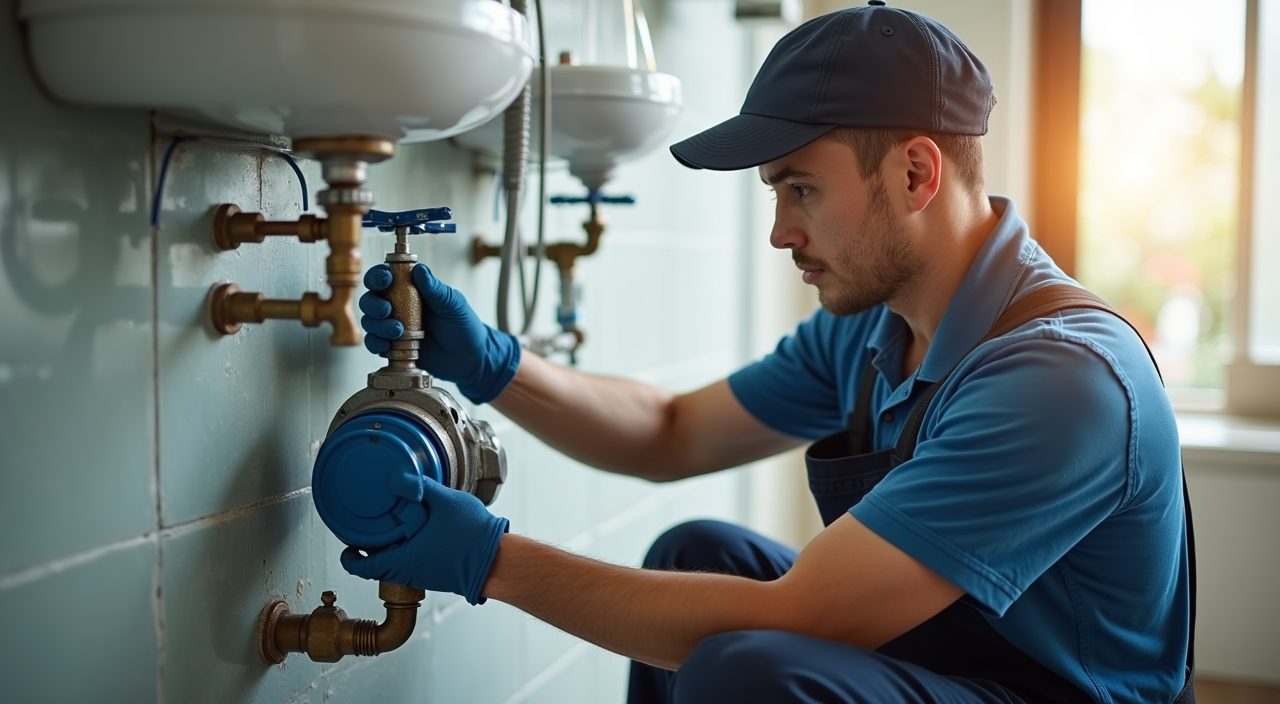
A water pressure booster pump is a small electric pump that raises the flow and pressure of water inside your home when the mains supply is too weak for comfortable showers, rain shower heads, or instant water heaters. Most Singapore homes do not actually need one, because PUB delivers mains water at a healthy pressure, so weak flow is usually caused by a partly closed valve, a clogged filter, or an aerator full of scale. You only genuinely need a booster pump when the real supply pressure at your unit is low, for example a high floor with poor incoming pressure, a landed house with a long internal run, or a specific fixture like a rain shower that the mains cannot satisfy.
Before spending money on a pump, it pays to understand why your pressure feels low, what PUB actually allows, and what a proper installation costs. Fitting a pump to hide a fixable problem can waste money and even mask a leak. This guide walks through the honest decision: diagnose first, then decide whether a booster pump is the right answer for your flat, condo, or landed home.
How do I know if my low water pressure needs a pump at all?
Start by ruling out the cheap causes, because a pump is the last resort, not the first. Weak flow at one tap usually points to that tap, not the whole home. Weak flow everywhere at once is more likely a main valve, filter, or genuine supply issue.
Run through these checks before you assume you need a booster pump:
- Only one tap or shower is weak: clean the aerator or shower head; limescale and grit build up fast in Singapore.
- All outlets are weak at once: check that your main stopcock or gate valve is fully open, since a half-turned valve chokes the whole flat.
- You have a whole-house water filter: a clogged cartridge is a very common hidden cause; replace it and retest.
- Pressure drops only at peak times (morning, evening): this can be building demand in older blocks rather than a fault at your unit.
- An instant or multipoint water heater trails off: some heaters need a minimum flow to fire, so the fixture, not the mains, may be the limit.
What does PUB actually allow with booster pumps?
This is the part many homeowners get wrong. In Singapore you are not allowed to connect a pump that sucks water directly off the PUB mains, because it can pull pressure away from your neighbours and risk contamination of the public supply. A pump must draw from a storage tank, not straight from the incoming pipe.
In practice this means a compliant booster setup for most homes involves a small water storage tank feeding the pump, and the work touching your incoming supply should be handled by a PUB licensed water service plumber. For HDB flats and condos, you also need to respect the building's rules and any managing agent approval, since not every block permits tanks or pumps in the unit. When in doubt, get a licensed plumber to confirm what is legal and practical for your specific home before buying anything.
How much does a water pressure booster pump cost in Singapore?
Costs vary a lot depending on the pump type, whether a storage tank is needed, and how much pipework has to be altered. Treat the figures below as sensible ranges, not fixed quotes, because every home is different and prices move over time.
Rough guide for a typical residential job:
- Pump unit only (compact automatic booster): commonly a few hundred dollars, often in the low hundreds for a basic domestic model.
- Pump plus storage tank and fittings: the tank, float valve, and pipework add materially, often pushing the parts total into the several-hundred to low-four-figure range.
- Installation labour by a licensed plumber: usually a few hundred dollars for a straightforward job, more if pipe rerouting or electrical work is involved.
- Whole-home landed setup with larger tank and pump: can run into four figures once tank size, location, and wiring are factored in.
- Ongoing cost: a domestic booster pump uses modest electricity and may need occasional servicing; budget a little for maintenance over its life.
What types of booster pumps suit Singapore homes?
Not every pump is the same, and picking the wrong one leads to noise, short cycling, or a pump that never solves the problem. The right choice depends on whether you want to boost the whole home or just one demanding fixture.
Common options for local homes:
- Automatic self-priming booster pump: switches on when you open a tap and off when you close it, good for whole-home boosting from a tank.
- Constant-pressure pump with a small pressure vessel: smoother pressure and less on-off cycling, nicer for multiple bathrooms.
- Single-fixture booster: a smaller unit dedicated to one rain shower or heater, useful when only that fixture underperforms.
- Quiet or inverter-driven models: worth the premium in HDB flats and condos where pump noise through walls is a real concern.
Are there fixes to try before installing a pump?
Yes, and they are cheaper and often solve the complaint entirely. A booster pump should be the answer only after the simple wins are exhausted, because pumping harder through a blockage does not fix the blockage.
Try these first:
- Descale or replace shower heads and tap aerators, especially rain showers with many tiny nozzles.
- Replace old or clogged whole-house filter cartridges on schedule.
- Confirm every isolation and main valve is fully open, not partly closed from past works.
- Check for a slow leak, since a hidden leak steals pressure and wastes water; falling pressure with no obvious cause deserves a look.
- For weak hot water only, look at the water heater and its inlet, not the cold supply.
Who should install a booster pump for me?
Because a compliant install involves your incoming supply, a storage tank, and mains electricity to the pump, this is not a safe DIY job. Getting it wrong can breach PUB rules, cause leaks, or create an electrical hazard in a wet area.
Use a licensed plumber who can first diagnose whether you truly need a pump, then size and install it correctly with the right tank and controls. Our plumbing team can inspect your pressure, rule out the fixable causes, confirm what is allowed in your block, and fit a compliant, quiet booster setup if it is genuinely the right call. That way you pay for a pump only when it actually solves the problem, and the work is done safely and to code.
Frequently asked questions
Can I connect a booster pump directly to the PUB water main? No. Pumping directly off the public main is not permitted in Singapore because it can draw pressure from neighbours and risk contaminating the supply. A compliant pump draws from a storage tank, and the mains connection should be handled by a licensed water service plumber.
Will a booster pump fix weak flow in just one shower? Often it is overkill for a single weak shower. Clean or replace the shower head first, and check the fixture's own inlet valve. If only one rain shower underperforms while everything else is fine, a small single-fixture booster can help, but diagnose before you buy.
Do HDB flats usually need a booster pump? Most do not, because PUB mains pressure is generally adequate and weak flow is usually a valve, filter, or aerator issue. High floors or specific demanding fixtures are the main exceptions, and your block's rules on tanks and pumps still apply.
How long does a booster pump last and does it need servicing? A good domestic booster pump can last many years with light use. It benefits from occasional checks of the pressure switch, tank float valve, and fittings, and quieter inverter models tend to cycle less and wear more gently.