
Burst Pipe in Singapore: What to Do First
Burst pipe at home in Singapore? Shut off the water at your main stop valve, kill nearby power, then call a licensed plumber. Step-by-step guide.
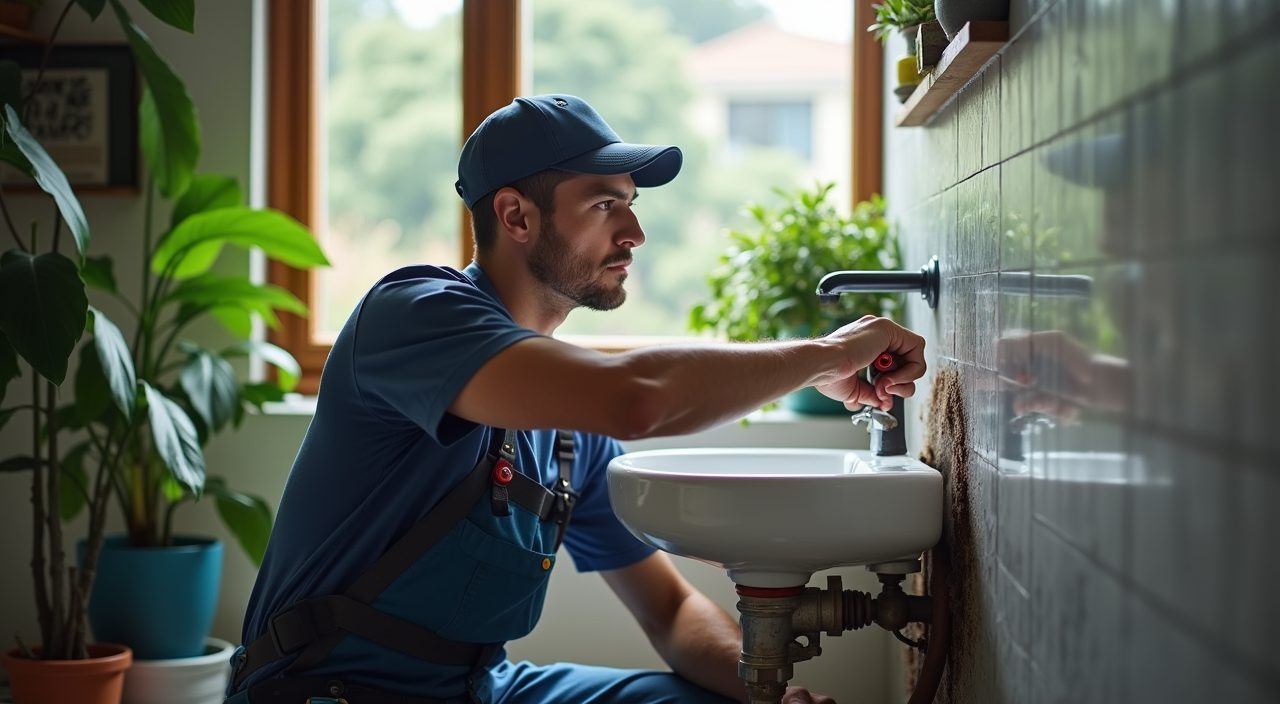
If a pipe bursts in your Singapore home, do three things fast: shut off the water supply at your main stop valve (or the affected riser), switch off power to any wet area at the distribution board, then call a licensed plumber. Stopping the flow first limits water damage to your flooring, ceiling, and your downstairs neighbour's unit. Everything else can wait a few minutes.
A burst pipe usually shows up as a sudden loud hiss, a fast-spreading wet patch, a bulging or dripping ceiling, or a jump in water pressure noise. In HDB flats and condos, the bigger risk is often not the flooding in your own unit but water seeping through the floor slab into the home below, which can turn a quick fix into a dispute over damage. Acting in the right order keeps the problem contained.
How do I stop the water from a burst pipe?
Find and close your main water stop valve. In most Singapore homes this is near the water meter, often at the service balcony, kitchen, or just inside the main door area; turn the valve clockwise until it stops. If you only have a leak at one fixture (for example under a sink or at the toilet cistern), there is usually a smaller isolation valve right at that fixture you can close instead, so the rest of the house keeps water.
If you cannot find or turn the valve, close everything you can and open the lowest taps in the home to drain the pipes and drop the pressure. Do not force a stiff valve with tools if it feels like it might snap, since a broken valve makes things worse.
- Turn the main stop valve clockwise to shut off the whole home
- Use the fixture isolation valve if only one tap or toilet is leaking
- Open low taps afterward to drain remaining water and relieve pressure
- Note where your main valve is now, before an emergency happens
Should I turn off the electricity too?
Yes, if water is near any power point, light fitting, water heater, or the distribution board itself. Water and electricity together are a real shock and fire risk, so switch off the relevant circuit at your DB (the box with the trip switches) before you start mopping or reaching into wet areas. If the main DB itself is wet or you feel any tingle, do not touch it; stay clear and get an electrician.
If a ceiling above you is sagging and dripping, keep away from it and do not switch on lights in that room. A water-logged ceiling can drop suddenly, and the wiring above it may be live.
How do I limit the water damage while I wait?
Once the flow is stopped, move quickly to contain what is already out. Lift furniture, electronics, and boxes off wet floors, and pull up any rugs. Use towels, a mop, and a pail to clear standing water so it does not sit on the floor slab and travel to the unit below.
Take photos and short videos of the burst point and the damage before you clean everything up. You will want this if you make an insurance claim, and if your neighbour's ceiling is affected, clear evidence of what happened and when helps sort out responsibility.
- Move valuables and electricals away from the water
- Mop and pail up standing water fast, especially near the floor edges
- Place a bucket under any active drip and towels around it
- Photograph and video the damage before cleaning for insurance
Who is responsible for the pipe: me, HDB, or the neighbour?
As a rough rule, pipes and fittings inside your own unit are your responsibility to maintain and repair, while common pipes serving the whole block (for example a shared riser) are the responsibility of your town council or the condo management. If a burst inside your unit damages the home below, you may be liable for their repairs, which is one reason home insurance and quick action matter.
If you are unsure whether the burst pipe is yours or a common one, a licensed plumber can identify it, and for common-property pipes you should also inform your town council (HDB) or your MCST (condo) so they arrange the right repair.
Do I need a licensed plumber for a burst pipe?
For anything beyond a minor drip you can isolate, yes. In Singapore, water service and sanitary plumbing work is regulated by PUB, and certain works must be done by a PUB-licensed plumber. A burst that involves your incoming supply pipe, concealed pipes in walls or floors, or the water meter area is not a DIY job.
Because a burst pipe keeps causing damage every minute it runs, this is exactly the situation where an emergency plumber who can come out fast is worth it. When you book, describe what happened, where the water is coming from, and that you have already shut off the main valve, so they arrive ready with the right parts. Choosing a licensed emergency plumber for burst-pipe callouts means the repair is done to standard and you avoid a repeat leak.
How can I prevent a burst pipe in future?
Most residential bursts come from age, corrosion, or joints that were never quite right, and sometimes from freezing is not a concern here, but pressure spikes and old flexible hoses are. Replace flexible tap hoses and washing machine inlet hoses every few years, since these braided hoses are a common surprise failure. Watch for early warning signs like rust-coloured water, damp patches, or a water bill that creeps up for no reason.
If your home is older and still has original galvanised or ageing pipework, a plumber can assess whether a section is due for replacement before it fails. Knowing where your main stop valve is, and that it actually turns, is the single cheapest bit of prevention you can do today.
- Replace braided flexible hoses on taps and appliances every few years
- Act on rust-coloured water, damp patches, or a rising water bill
- Test that your main stop valve turns freely, before you ever need it
- Have ageing galvanised pipework assessed before it corrodes through
Frequently asked questions
How much does it cost to fix a burst pipe in Singapore? It depends on where the burst is and how much is concealed. A simple accessible repair or hose replacement is at the lower end, while chasing a burst inside a wall or floor, plus making good the tiles and finishes, costs considerably more. Get the plumber to confirm the price after they see it, and be wary of anyone quoting a firm figure sight unseen.
Can I fix a burst pipe myself? You can shut off the water, isolate the fixture, and mop up, and you can replace a simple flexible hose. Concealed pipes, the incoming supply, and anything near the water meter should go to a PUB-licensed plumber, both for safety and because unlicensed work on regulated plumbing is not allowed.
What if the burst is flooding my downstairs neighbour? Stop the water at your main valve immediately, then let your neighbour know so they can protect their belongings, and document everything with photos. Inform your insurer, and if the pipe turns out to be common property, notify your town council or MCST as well.
Is a burst pipe covered by home insurance? Often the sudden water damage to your home and contents is covered, and some policies help with your liability if you damage a neighbour's unit, but wear-and-tear on the pipe itself is usually not. Check your specific policy, and keep the photos and the plumber's report to support any claim.