
Connecting a Dishwasher and Washing Machine in Singapore: Taps, Hoses and Drainage Points
How to connect a dishwasher or washing machine in a Singapore HDB or condo: the right taps, inlet and drain hoses, drainage points and when to call a licensed plumber.
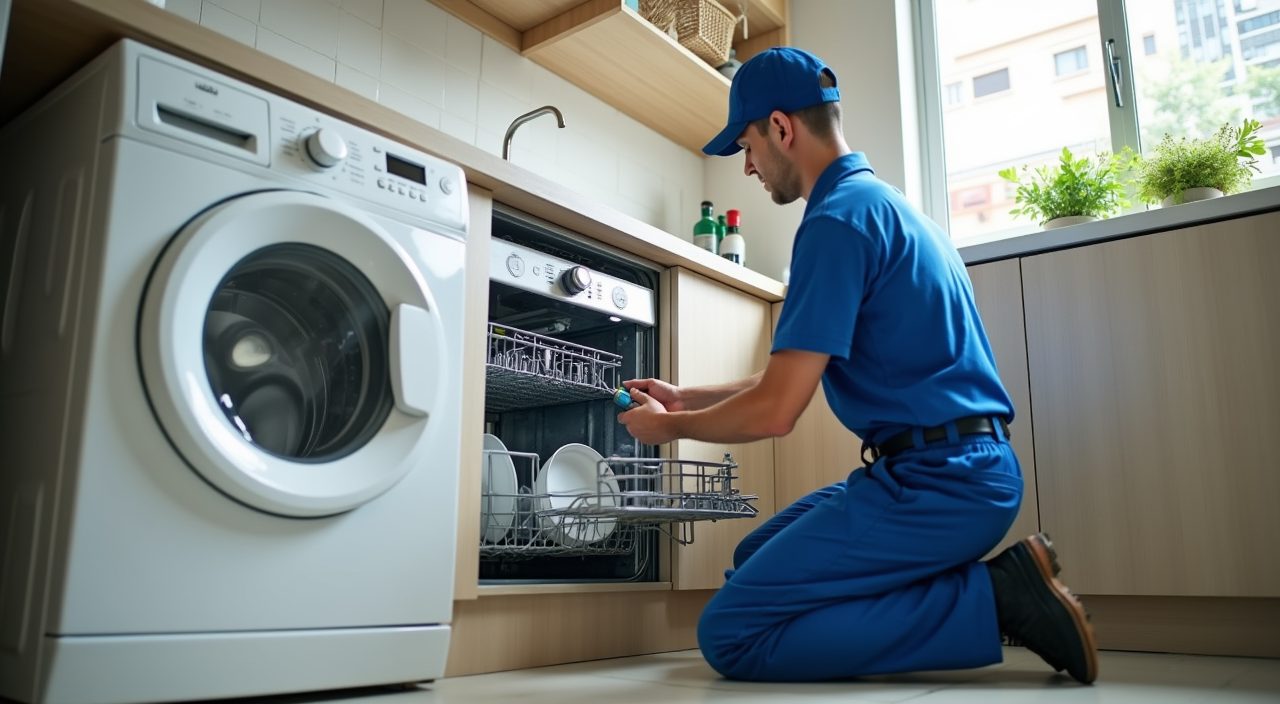
To connect a dishwasher or washing machine in Singapore you need three things at the spot: a working water supply tap (a bib tap or angle valve with a threaded outlet), a way to run the inlet hose to the machine, and a drainage point that carries wastewater away. Most Singapore machines are cold-fill, so a single cold water tap is usually enough, and the drain hose either hooks into a floor trap or a dedicated standpipe.
The details matter because HDB flats and condos rarely have a purpose-built laundry point in the exact spot you want the machine. The washing machine tap thread, the hose length, the drain height and the floor trap type all decide whether the install is a five-minute job or a small plumbing project. This guide walks through each part so you know what you have, what you need, and where a licensed plumber is worth it.
What kind of tap does a washing machine or dishwasher need?
A washing machine tap in Singapore is normally a 1/2 inch bib tap or angle valve with a threaded spout that the machine's inlet hose screws onto. The hose end has a plastic collar with a rubber washer inside; you hand-tighten it onto the tap thread, no tools and no plumber's tape needed on that joint. If your existing tap has a smooth (non-threaded) spout, it will not hold the hose and you need it swapped for a threaded one.
Both dishwashers and washing machines connect the same way. The common thread sizes you will meet are 1/2 inch and 3/4 inch, so check which your machine's hose expects and match the tap. A quarter-turn angle valve is the tidiest option because you can shut the water off at the machine without hunting for the main.
- Threaded outlet: the tap spout must have external threads for the hose collar to grip.
- Size: 1/2 inch is most common; some hoses are 3/4 inch, so confirm before buying.
- Isolation: an angle valve or a tap with its own handle lets you close the water when the machine is not in use.
- One tap per machine: dishwasher and washing machine each want their own supply and drain, not a shared one.
Cold fill or hot fill: do I need a hot water tap?
Almost all washing machines and dishwashers sold in Singapore are cold-fill only. They heat water internally with an element, so you connect them to a single cold water tap and there is no hot water hose at all. This keeps the install simple and is why most laundry areas only have one tap.
A small number of older or imported machines are hot-and-cold fill and have two inlet hoses. If yours has two, you need both a cold and a hot supply at the point, which is uncommon in Singapore homes and often means running a new hot line. When in doubt, check the back of the machine: one inlet means cold-fill, two inlets means it can take hot as well.
What are the inlet and drain hoses, and how long can they be?
Every machine ships with two hoses. The inlet hose is the reinforced one that carries clean water from the tap to the machine. The drain hose is the ribbed corrugated one that pushes dirty water out. They are not interchangeable, and the drain hose should never be submerged or pushed too far down a pipe or it can siphon.
Keep runs short. A long inlet hose is usually fine, but a long or poorly routed drain hose strains the pump and can cause slow draining or backflow. If the tap and drain are far from where the machine sits, extending hoses is possible but it is often cleaner to move the point instead.
- Inlet hose: braided, screws to the tap and the machine, carries clean water in.
- Drain hose: corrugated, hooks over a standpipe or into a floor trap, carries waste out.
- Drain height: most makers want the drain outlet roughly 60 to 100 cm above the floor; check your manual, since too low causes self-draining and too high strains the pump.
- Do not seal the drain airtight: the connection needs an air gap so the machine does not siphon its own water back.
Where does the wastewater go: floor trap or standpipe?
Singapore homes drain washing machines one of two ways. The simplest is to hook the drain hose over an open floor trap in the service yard or kitchen, so water runs across a short gap into the trap. The neater and more secure way is a dedicated drain standpipe, a vertical pipe with a trap that the hose slots into, which prevents the hose flicking out during a spin cycle.
For dishwashers, the drain usually connects under the sink into the sink's waste pipe or a spigot on the sink trap, rather than to a floor trap. Whichever route, the drain must have a trap (a water seal) between it and the sewer so smells and gases do not come back up into your home. Draining straight into a sealed pipe with no air gap is the classic cause of gurgling and backflow.
Common problems when connecting these machines
Most connection faults are simple and show up on the first wash. Leaks at the tap joint usually mean the rubber washer is missing, twisted, or the collar is cross-threaded, so unscrew and reseat it by hand. Slow draining or water backing up on the floor usually points to the drain hose being too low, pushed too far in, or a floor trap that is partly blocked.
A tap that drips constantly after you connect the hose often has a worn washer or a valve past its life, and is worth replacing rather than nursing. If the machine will not fill at all, check the tap is fully open and the inlet filter screen at the hose end is not clogged with debris, which is very common with older pipework.
- Leak at the tap: reseat the hose washer, check for cross-threading, replace a worn washer.
- Won't fill: tap not fully open, or the inlet mesh filter is clogged with sediment.
- Slow or no drain: drain hose too low, inserted too deep, or a blocked floor trap.
- Smell from the drain: missing or dry trap; every drain needs a water seal.
- Vibration pulling the hose out: fit a proper standpipe or secure the hose so it cannot flick free.
When should I call a licensed plumber?
If you already have a threaded tap and a drainage point in the right spot, connecting the machine is a DIY job: screw on the hoses, position the drain, open the tap and run a short test cycle. You do not need a plumber to hand-tighten two hoses.
You should get a licensed plumber when the work touches the pipes themselves: adding or moving a tap, installing a new drain standpipe, running a hot water line, relocating a floor trap, or fixing a leak inside the wall. In Singapore, work on the potable water supply must be done by a PUB licensed water service plumber, and getting the tap, valve and drainage point installed correctly the first time avoids water damage and rejected jobs. Our plumbing team handles exactly this kind of tap, valve and drainage point work across HDB flats and condos, so if your laundry or kitchen point needs building rather than just connecting, that is the point to bring someone in.
Frequently asked questions
Can I connect both a dishwasher and washing machine to one tap? It is better not to. Each machine should have its own supply tap and its own drain so you can isolate one without affecting the other, and so neither starves the other of water. A twin outlet valve or a second angle valve is the clean way to feed two machines from one water point.
Do I need plumber's tape on the hose-to-tap joint? No. That joint seals with the rubber washer inside the hose collar and is designed to hand-tighten. Plumber's tape is for threaded pipe joints elsewhere, not for the machine hose, and adding it can stop the washer seating properly.
How high should the drain hose be? Most manufacturers specify the drain outlet sits roughly 60 to 100 cm above the floor, but always follow your machine's manual. Too low and the machine drains itself mid-cycle; too high and the pump struggles to push water out.
My tap has no thread for the hose, what do I do? You need the tap changed to a threaded bib tap or angle valve. That is pipe work on the water supply, so it should be done by a licensed plumber who can fit the correct size valve and pressure-test the joint.