
Do You Need a Licensed Plumber in Singapore? PUB Requirements for Plumbing Works
When Singapore law requires a PUB Licensed Plumber, what a Licensed Water Service Plumber can legally do, and which minor plumbing jobs you can DIY safely.
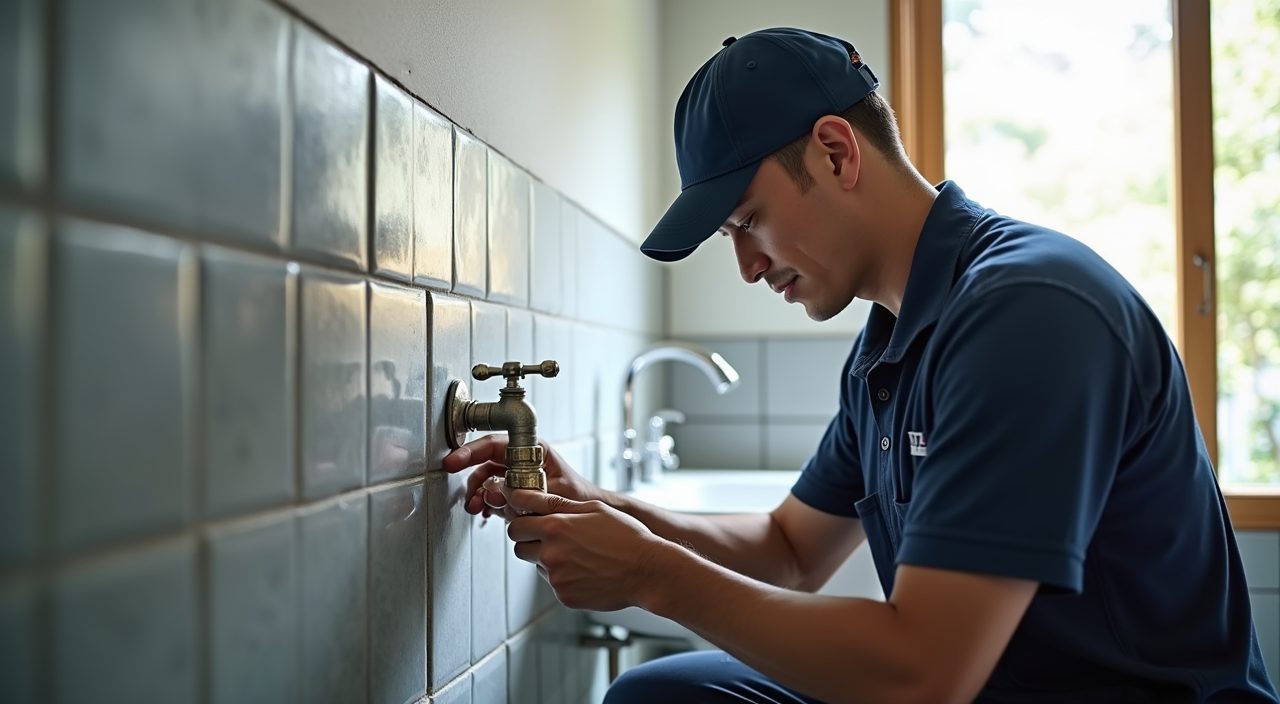
For any plumbing work that connects to the public water supply, Singapore law requires a PUB Licensed Plumber. This is a specific credential regulated by PUB, the national water agency, and it is not the same as being a general renovation handyman or a licensed electrician. Small self-contained jobs like changing a tap washer or a shower head do not need a licensed plumber, but anything that touches the incoming water main, meter, or fixed pipework does.
In practice, the rule protects the shared water network. Because every home draws from the same supply, poor workmanship on one property can contaminate or disrupt water for a whole block. That is why PUB restricts sanitary and water service works to plumbers it has licensed and tested, and why using an unlicensed person can leave you legally and financially exposed.
What is a PUB Licensed Plumber?
A Licensed Plumber in Singapore is formally called a Licensed Water Service Plumber, and the licence is issued by PUB after the person passes the required trade competency and holds a valid licence that must be renewed periodically. They are legally authorised to carry out and certify water service and sanitary works that connect to PUB's supply.
This is different from a plumbing tradesman who only installs fittings under supervision. Only the Licensed Plumber can submit the required notifications to PUB and take legal responsibility that the work meets the Public Utilities Act and its regulations.
- Licensed by PUB, not by a general contractor body
- Authorised to work on the incoming water main, water meter and fixed pipework
- Must notify PUB before and after certain works
- Personally liable that the work is compliant
Which plumbing works legally require a licensed plumber?
The law focuses on anything connected to the public water supply or the sanitary drainage system. If a job affects the water main, the meter, concealed pipework, or the discharge into the sewer, a Licensed Water Service Plumber must do it.
As a rough guide, the jobs below almost always require a licensed plumber, while genuinely minor swaps that do not disturb fixed pipework usually do not.
- Requires a licensed plumber: any work on or near the water meter and main
- Requires a licensed plumber: installing or relocating concealed water pipes in walls or floors
- Requires a licensed plumber: new sanitary connections, toilet relocation, or moving floor traps and waste pipes
- Requires a licensed plumber: connecting a new water heater to the fixed cold and hot supply lines
- Usually DIY-safe: changing a tap washer, aerator, or shower head
- Usually DIY-safe: swapping a like-for-like flexible hose or a toilet flush mechanism
What are PUB's requirements and notifications?
For notifiable works, the Licensed Plumber must inform PUB before starting and again on completion, and the work must comply with the Public Utilities Act and the Public Utilities (Water Supply) Regulations. Materials and fittings that touch drinking water generally need to be of an approved type so they do not contaminate the supply.
The plumber is also responsible for making sure the finished work passes any required pressure or watertightness checks. Because they certify the job, a competent licensed plumber will not cut corners that could later be traced back to their licence.
- Notify PUB before and after notifiable water service works
- Use approved pipes, fittings and materials for potable water
- Meet the Public Utilities Act and Water Supply Regulations
- Ensure joints and connections are watertight and correctly tested
What happens if you use an unlicensed plumber?
Doing water service or sanitary works without a Licensed Plumber can be an offence under the Public Utilities Act, and you as the homeowner can be held responsible for non-compliant work on your property. PUB can require the work to be redone correctly, which means paying twice.
There is also a practical risk. If a concealed pipe fails or a connection leaks into the unit below, an insurer or a management corporation may push back if the work was never carried out by a licensed plumber. Getting it done properly the first time is almost always cheaper than a dispute later.
How to check a plumber is genuinely licensed
Ask directly for the Licensed Water Service Plumber licence and confirm it is current, since the licence has to be renewed and can lapse. A legitimate plumber will not be offended by the question and can tell you their licence details.
You can also cross-check that the person doing your job is the licensed individual, not just someone working loosely under a company name. For notifiable works, ask who will submit the PUB notification, because only a licensed plumber can do that.
- Ask for the Licensed Water Service Plumber licence and check it is current
- Confirm the licensed person is the one certifying your specific job
- For notifiable works, confirm who submits the PUB notification
- Be wary of quotes far below market with no licence details offered
Getting your plumbing work done correctly
If your project involves the water main, concealed pipes, a toilet relocation, a new water heater connection, or any sanitary work, the safest path is to engage a proper plumbing service that uses a PUB Licensed Plumber and handles the notifications for you. That way the compliance burden sits with the professional, not with you.
For a straightforward washer change you can safely DIY, but the moment a job touches fixed pipework, the meter, or the sewer, bring in a licensed plumber. When you book plumbing work through us, the licensed plumber manages the approvals and certifies the job so it is done right and stays compliant.
Frequently asked questions
Do I need a licensed plumber to install a water heater? If it connects to your fixed cold and hot water pipework, which almost all storage and instant heaters do, then yes, a Licensed Water Service Plumber should carry out and certify the connection. Note the electrical supply side may also need a licensed electrical worker, which is a separate requirement.
Can I change my own tap or shower head? Yes. Swapping a tap washer, aerator, flexible hose, or shower head is minor maintenance that does not disturb fixed pipework or the water main, so it does not need a licensed plumber. Just shut off the supply first and check for leaks after.
Is a general renovation contractor allowed to do my plumbing? Only if the actual water service and sanitary works are carried out and certified by a Licensed Water Service Plumber. A renovation firm can coordinate the job, but the person touching the fixed pipework and the meter must hold the PUB licence.
How do I confirm a plumber's PUB licence is valid? Ask for their Licensed Water Service Plumber licence and confirm it is current, since it needs periodic renewal. For notifiable works, also confirm that this licensed person is the one submitting the PUB notification for your job.