
Do You Still Need a Water Storage Tank in a Singapore HDB or Condo?
Most Singapore HDB flats and condos no longer need a private water storage tank. Here is when a tank still matters and what to know before removing one.
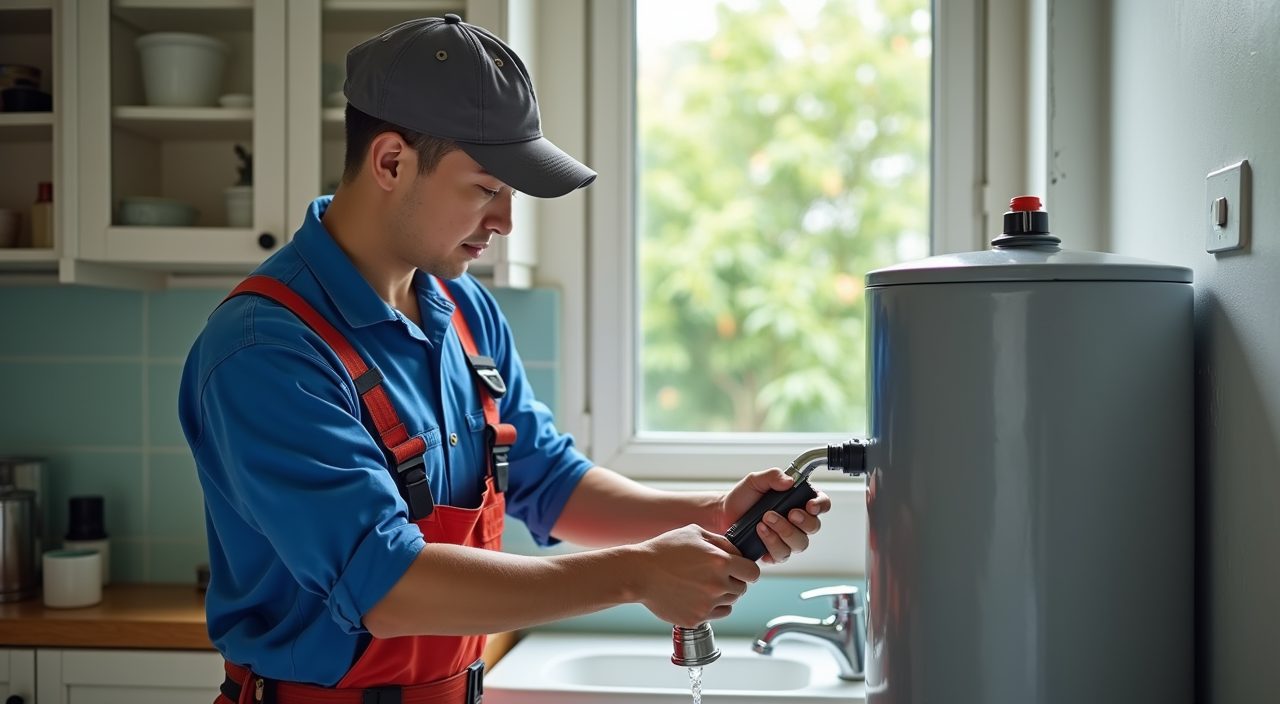
For most homes in Singapore, the answer is no. PUB supplies mains water at a pressure that reaches the taps in nearly every HDB flat and low to mid rise condo directly, so an individual storage tank inside your unit is usually unnecessary. Tanks still matter for taller buildings, homes with an instant water heater or booster that needs a stable feed, and older setups that were built around a tank in the first place.
In practice, whether you need a tank has less to do with the year your home was built and more to do with how water actually gets to your floor. Singapore runs on a reliable, treated, pressurised mains supply, but pressure drops as water climbs higher, and some fittings behave better with a small buffer of stored water. This guide explains where tanks still make sense, where they are just taking up space, and what to check before you decide to keep, replace or remove one.
What does a water storage tank actually do?
A domestic water storage tank holds a reserve of water and, in many designs, feeds your taps by gravity or through a pump. The two common reasons to have one are pressure and continuity: it can lift usable pressure to upper floors, and it keeps water available for a short time if the mains supply is briefly interrupted.
In Singapore the picture is specific. PUB delivers potable water directly to homes, and for typical HDB and lower condo units that direct pressure is enough. Tall developments are different: they usually rely on a shared building tank and pumps managed by the developer or the managing agent, not a tank inside your own flat.
- Pressure boost: helps water reach higher floors when mains pressure alone falls short.
- Supply buffer: keeps taps running briefly during a short mains interruption.
- Feed stability: gives certain heaters and appliances a steadier, calmer inlet.
Do HDB flats need a private water storage tank?
For the large majority of HDB flats, no. HDB blocks are designed so that mains or building supply reaches your unit at a workable pressure, and you generally connect appliances straight to the incoming supply. A personal tank inside the flat is rarely part of the standard setup.
There are edge cases. Some homeowners install a small tank or a booster arrangement if they have chronically weak pressure, a rain shower or body jets that demand more flow, or a specific appliance the manufacturer says needs a tank feed. These are exceptions driven by a real symptom, not a default requirement.
What about condos and taller buildings?
Most condos handle water storage at the building level, not the unit level. A modern development typically has communal storage tanks plus pumps that push water up the block, and this is maintained by the managing agent under the building's regime. As a resident, you usually do not own or manage a tank yourself.
Because the building already provides storage and boosting, a separate tank inside your condo unit is normally redundant. If you live high up and notice weak pressure, the fix is more often a conversation with your managing agent or a properly sized in unit booster pump, rather than a storage tank.
- Low to mid floors: direct or building supply pressure is usually fine, no unit tank needed.
- High floors: pressure is handled by the building's pumps and tanks, not a personal tank.
- Persistent weak flow: raise it with the managing agent before installing anything yourself.
When does a water storage tank still make sense?
A tank still earns its place in a few situations. If your home sits at the top of a building with genuinely marginal pressure, if you run an instant heater or fixtures that misbehave on fluctuating mains flow, or if a specific appliance's instructions call for a tank fed supply, then keeping or fitting one can be the right call.
The honest answer is that it depends on your unit. Rather than assume, it is worth measuring your actual water pressure and flow at the affected tap and matching that against what your appliances need. A good plumber can do this quickly and tell you whether a tank, a booster pump, or simply cleaning out a clogged fitting is the real answer.
Should you remove an old or unused tank?
If you have inherited a tank that no longer serves a purpose, removing it can be sensible. A stagnant, poorly maintained tank can become a hygiene concern, since standing water that is not cleaned or turned over regularly is not something you want feeding your kitchen tap. Reclaiming the space is a bonus.
Do not just cut it out yourself, though. Removing a tank means re routing pipework, capping or reconnecting the supply correctly, and making sure your heater and appliances still get the pressure they expect afterwards. Any change to the incoming supply and internal water pipes should be done properly so you do not end up with leaks, water hammer, or an appliance that suddenly underperforms.
- Keep it: only if it solves a real pressure or appliance problem you can identify.
- Maintain it: if kept, it needs periodic cleaning to stay hygienic.
- Remove it: if unused, have the pipework re routed and capped correctly, not left dangling.
How do you get this done properly in Singapore?
Because this touches your incoming water supply and internal pipes, it is worth getting a licensed plumber to assess your setup. In Singapore, work on the water service and internal plumbing is meant to be carried out under a licensed plumber, and PUB regulates works that affect the potable supply, so this is not a casual DIY project.
When you engage a plumbing professional, they can test your pressure, confirm whether a tank, pump or nothing at all is the right answer, and carry out any re piping, capping or booster installation to standard. If you are unsure about your tank, weak taps, or a heater that keeps cutting out, having the plumbing work assessed and handled by a qualified team is the safest route to a clean, compliant result.
Frequently asked questions
Is tap water in Singapore safe to drink straight from the tap? Yes. PUB supplies treated potable water that meets drinking water standards, so mains water is safe to drink directly. A storage tank is not needed to make it safe; if anything, a badly maintained tank can make stored water less pleasant, which is one reason direct supply is preferred where pressure allows.
Will removing my water tank reduce my water pressure? It can, if the tank or its pump was actually boosting pressure. That is exactly why you check first. If the tank was doing nothing useful, removing it changes nothing you will notice; if it was compensating for weak mains flow, you may need a booster pump instead, so test before you remove.
My water pressure is weak on a high floor. Do I need a tank? Not necessarily. On high floors the building's pumps normally handle pressure, so weak flow is often a building side issue or a clogged fitting rather than a missing tank. Report it to your managing agent, and if the problem is inside your unit, a plumber can check whether a properly sized booster pump is the better fix.
Do I legally need a plumber to change my water tank or pipes? Work affecting your water supply and internal plumbing in Singapore is meant to be done under a licensed plumber, and PUB regulates works on the potable supply. For removing, replacing or re piping a tank, use a qualified plumbing professional rather than doing it yourself, both for safety and to stay compliant.