
F&B Plumbing & Grease Lines: A Quick Guide
A plain guide to F&B plumbing in Singapore: grease traps, kitchen drainage, NEA and PUB rules, and how to keep your food outlet's lines flowing.
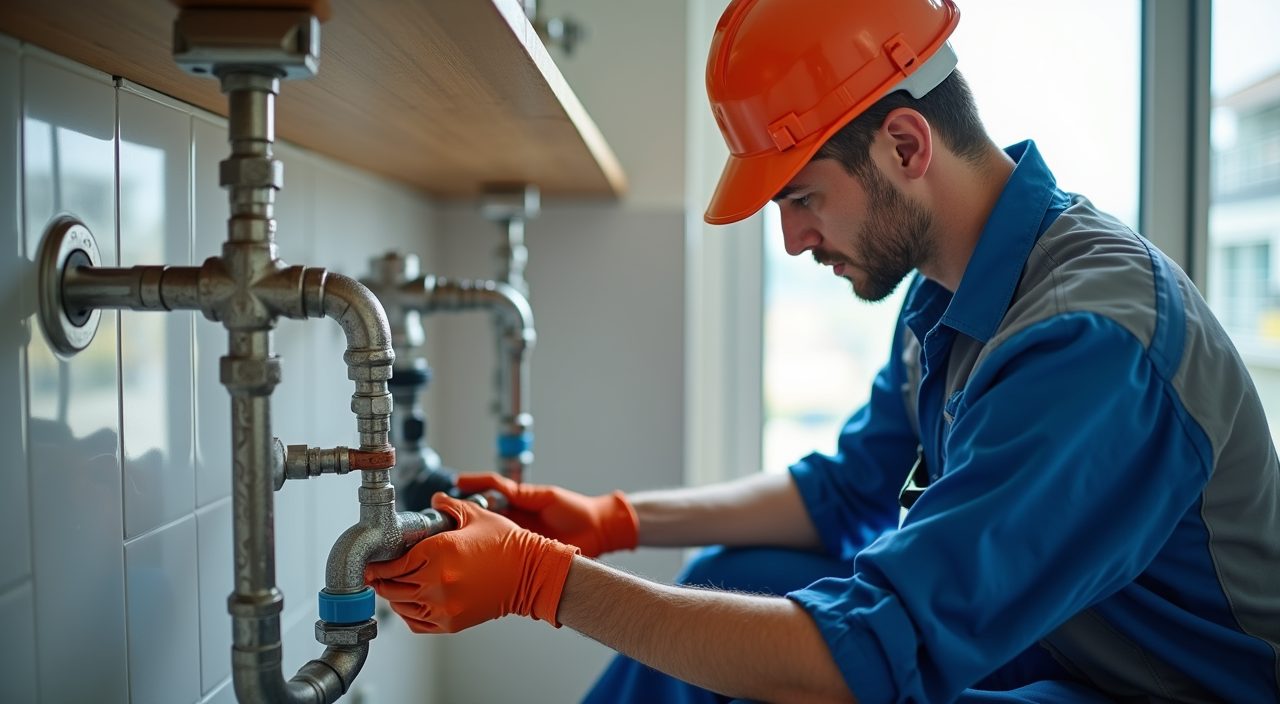
F&B plumbing in Singapore covers the drainage, water supply and grease management systems that keep a food and beverage outlet running. The single most important part is the grease trap or grease interceptor, which stops fats, oils and grease from entering the public sewer, and it must be sized correctly, cleaned regularly and kept in good repair. Get this wrong and you risk blocked lines, foul smells, kitchen downtime and enforcement action from the authorities.
Kitchen drains carry far more grease, food waste and hot water than a home ever will, so ordinary domestic pipework and fittings simply do not cope. This guide explains what F&B plumbing involves in a Singapore context, how grease lines work, and the local rules that apply so you can plan a kitchen fit-out or fix a recurring drainage problem with your eyes open.
What is F&B plumbing and how is it different from home plumbing?
F&B plumbing is the specialised water supply and drainage system built for commercial kitchens: high-flow taps and sinks, floor traps and floor gullies, dishwasher and combi-oven connections, water heaters, and the all-important grease trap. It is designed to handle heavy, greasy, continuous use rather than the light intermittent use of a household.
The main differences come down to volume and grease. A busy kitchen sends litres of fat-laden, hot water down the drain every service, which cools and hardens inside pipes. Commercial systems use larger pipe diameters, more floor drainage, stainless or heavy-duty fittings, and a grease trap so that solidified grease is intercepted instead of choking the line.
- Bigger pipe sizes and more floor traps to cope with high flow
- A grease trap or interceptor sized to the kitchen load
- Heavy-duty, easy-to-clean fittings and stainless fixtures
- Connections for dishwashers, combi ovens and water heaters
How does a grease trap work?
A grease trap is a chamber fitted between your kitchen sinks and the sewer. Wastewater flows in and slows down, so fats, oils and grease float to the top while heavier food solids sink to the bottom. The cleaner water in the middle passes on to the drain, and the trapped grease and solids are removed during servicing.
Small outlets often use an under-sink grease trap, while larger kitchens use a bigger in-ground or external grease interceptor. Whatever the size, the trap only works if it is emptied before the grease layer gets too thick. A neglected trap stops separating properly and lets grease straight into your pipes.
What are the NEA and PUB rules for grease and drainage in Singapore?
Food outlets in Singapore fall under NEA food hygiene requirements, and licensed premises are expected to have a functioning grease trap that is regularly cleaned so wastewater does not become a nuisance or pest problem. Grease waste and used cooking oil must be handled properly, not tipped down the drain.
On the sewerage side, PUB regulates what can be discharged into the public sewer, and fats, oils and grease that clog the network are a known problem. Discharging untreated greasy wastewater can lead to enforcement. The practical takeaway is simple: keep your grease trap sized right, cleaned on a schedule, and keep records so you can show it has been maintained.
- Keep a functioning, correctly sized grease trap for the kitchen load
- Clean and empty the trap on a regular schedule, not just when it smells
- Dispose of grease and used cooking oil through proper collection, not the drain
- Keep servicing records in case of an inspection
How often should a grease trap be cleaned?
A common rule of thumb is to clean a grease trap when the combined grease and solids reach roughly a quarter of the trap's capacity. For a busy kitchen that can mean weekly or fortnightly for small under-sink traps, while larger interceptors may be serviced monthly or on a schedule set with a waste collector.
The right frequency depends on your menu and volume. A fried-chicken or wok kitchen builds grease far faster than a bubble tea counter. If you get slow drains, gurgling, or bad smells before your next scheduled clean, that is a sign the interval is too long.
What are the common F&B plumbing problems?
Most commercial kitchen plumbing calls come down to grease and food waste building up where they should not. Blocked or slow floor traps, backing-up sinks, foul drain odours and overflowing grease traps are the everyday complaints, and they tend to strike at the worst time during a busy service.
Other recurring issues include leaking or corroded pipework under heavy use, water heater and dishwasher connection faults, and drainage that was undersized during the original fit-out. Fixing the symptom without addressing the cause, for example clearing a choke but leaving an undersized or overloaded grease trap, usually means the problem returns.
- Blocked or slow floor traps and gullies
- Grease traps overflowing or no longer separating properly
- Foul odours coming back up the drains
- Leaking or corroded pipes under heavy kitchen use
- Faulty dishwasher, water heater or combi-oven connections
When should you call a commercial plumber?
For anything beyond a quick surface clean, it pays to bring in a plumber who works on food outlets rather than a general handyman. Sizing a grease trap for a new kitchen, re-routing drainage during a fit-out, clearing a deep choke in the main line, or diagnosing repeat odours all need someone who understands commercial kitchen loads and local requirements.
If you are opening, renovating or troubleshooting a food outlet, arranging commercial plumbing help early is the cheapest way to avoid downtime later. A contractor who handles commercial plumbing in Singapore can size and install the right grease trap, set up proper floor drainage, and put a sensible cleaning schedule in place so your kitchen keeps running through service.
Frequently asked questions
Do all food outlets in Singapore need a grease trap? In practice, yes. Any kitchen producing greasy wastewater is expected to have a functioning grease trap so that fats, oils and grease do not enter the public sewer, and licensed food premises are inspected on hygiene and drainage.
Can I use my home plumber for a commercial kitchen? It is not ideal. Commercial kitchens deal with far higher flow and grease loads, plus grease trap sizing and local discharge rules, so a plumber who works on food outlets is a safer choice.
What size grease trap do I need? It depends on your sink and kitchen capacity, cooking style and expected volume. A plumber will size the trap to your kitchen load rather than guess, since an undersized trap overflows and an oversized one wastes space and money.
Why do my kitchen drains smell even after cleaning? Recurring odour usually points to a grease trap that is overdue for service, a dry or damaged floor trap seal, or grease built up deeper in the line. If a surface clean does not fix it, the cause is further down and needs proper inspection.