
Floor Trap Smells and Backflow: Why Your Singapore Bathroom Stinks and How to Stop It
A Singapore homeowner's guide to floor trap smells and backflow: why the sewer stink happens, the dry-trap cause, and how to fix it fast.
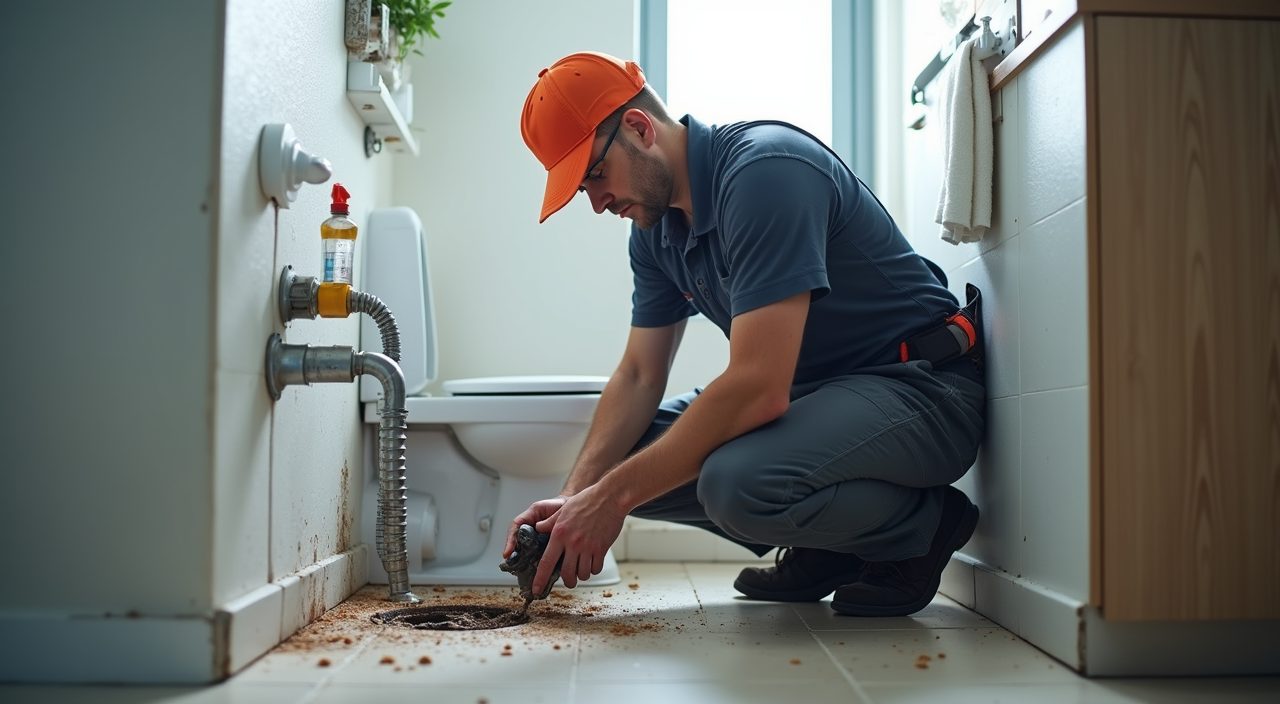
A smelly bathroom in Singapore almost always comes down to the floor trap. This is the round or square grating in your floor that drains shower and basin water, and it holds a small pool of water that seals out sewer gas. When that water pool dries up, gets blocked, or gets pushed out by backflow, the smell from the drain pipe rises straight into your room.
The good news is that most floor trap smells are simple to diagnose and cheap to fix. This guide explains how the trap works, the common causes of the stink in HDB flats and condos, what you can do yourself, and when the problem points to something bigger in the pipe that needs a plumber.
What is a floor trap and why does it stop smells?
A floor trap is the drain point in your bathroom, kitchen yard, or balcony floor. Under the visible grating sits a U-shaped or bottle-shaped bend that always holds a little water. That trapped water is called the water seal, and it acts like a plug: waste water flows through it, but foul air from the sewer pipe below cannot pass back up.
Every drain in your home relies on this same trick, from the toilet to the kitchen sink. When the water seal is intact, you smell nothing. When it fails, sewer gas (which carries hydrogen sulphide, the rotten-egg smell) escapes into the room.
- The grating catches hair and debris.
- The bend below holds the water seal.
- The water seal blocks sewer gas from rising.
- No water in the bend means no seal, so the smell comes through.
Why does my Singapore bathroom smell of sewage?
The most common cause is a dried-out floor trap. In a guest bathroom, a rarely used yard drain, or a flat left empty during travel, the small pool of water in the trap slowly evaporates in Singapore's warm indoor conditions. Once it is gone, the seal breaks and sewer gas flows freely.
Other frequent causes are a clogged trap full of hair and soap scum, a trap seal pulled out by pressure changes in the pipe, or backflow pushing dirty water and gas up through the grating. Older HDB units and long-vacant condo units are especially prone to the dry-trap problem.
- Dried water seal: most common, worst after travel or in unused bathrooms.
- Hair and scum clog: water drains slowly and smells stale.
- Siphoned seal: a nearby flush or drain sucks the water out.
- Backflow: sewage or gas pushed up from a blocked or overloaded main pipe.
What is backflow and why is it worse than a normal smell?
Backflow is when waste water or sewer gas travels the wrong way, up through your floor trap instead of down and out. Instead of a faint stale smell, you may see dirty water pooling around the grating, bubbling, or a strong sewage odour that returns even after you clean the trap.
Backflow usually means the problem is downstream of your unit: a blocked common soil stack, a choked sewer line, or heavy rain overloading the drainage. In HDB blocks and condos, a choke shared between several units can force waste back up into the lowest or nearest floor trap. This is not a cosmetic issue and should be checked quickly, because repeated backflow can flood your bathroom.
How do I fix a smelly floor trap myself?
Start with the simplest fix. Pour a mug or two of water down the floor trap to refill the seal, then wait a few minutes and check if the smell fades. If it does, the trap was simply dry, and topping it up weekly in unused bathrooms will keep it sealed.
If the smell stays, lift the grating and clear out hair and gunk, then flush with water. A drop of cooking oil or a purpose-made trap sealer on top of the water slows evaporation in bathrooms you rarely use.
- Pour water in to refill the seal.
- Remove the grating and pull out hair and debris.
- Flush with hot water and a little dish soap to cut grease.
- Add a splash of oil or a trap-seal liquid in unused drains to slow drying.
- Fit a silicone one-way drain insert or a well-fitted grating to block gas and pests.
When should I call a plumber?
Call a professional if the smell keeps coming back after you refill and clean the trap, if you see water backing up or bubbling through the grating, or if more than one drain in the home smells at once. These point to a choke or fault deeper in the pipe that a mug of water will not solve.
A plumber can carry out proper plumbing work to snake or jet the trap and connecting pipe, inspect the soil stack, check for a broken or wrongly installed trap, and confirm whether the choke sits within your unit or in the common pipe. If it is a shared stack in an HDB block or condo, the plumber can tell you whether the town council or the condo management is responsible for the repair, so you are not paying for a fault that is not yours.
How do I stop the smell coming back?
Prevention is mostly about keeping the water seal alive and the trap clear. Run water through every floor trap at least once a week, especially in guest bathrooms and yard areas, and pour a little water in before you leave for a long holiday.
Clean the grating regularly, use a hair catcher to stop clogs, and consider a modern anti-odour floor trap insert that adds a one-way flap on top of the water seal. If your block has a history of chokes, report recurring backflow to your town council or management early, since a shared blockage will keep returning until the main pipe is cleared.
Frequently asked questions
Why does my bathroom smell only after I travel or when it is unused? The water in the floor trap slowly evaporates in Singapore's warm indoor air, and once the seal is gone, sewer gas rises freely. Pouring a mug of water into the trap refills the seal and usually clears the smell within minutes.
Is a smelly floor trap dangerous? An occasional whiff of sewer gas is unpleasant rather than dangerous, but persistent hydrogen sulphide smells, visible backflow, or sewage pooling should be fixed quickly because they signal a choke and can lead to flooding and hygiene problems.
Who pays to fix a choke in an HDB or condo? If the blockage is inside your own unit's pipework, you pay. If it is in the common soil stack or shared sewer serving several units, the town council (for HDB) or the condo management usually handles it, so it is worth having a plumber confirm where the choke sits before you commit to paying.
Can I permanently seal a floor trap I never use? You should not fully seal a working drain, as it may still need to carry overflow or condensation water. A better option is a one-way silicone drain insert or an anti-odour floor trap that lets water out but blocks gas coming back up.