
Grease Trap for F&B in Singapore: NEA Rules, Sizing and Cleaning Schedules
A practical Singapore guide to grease traps for F&B outlets: which rules apply, how to size one, cleaning schedules and how to stay compliant.
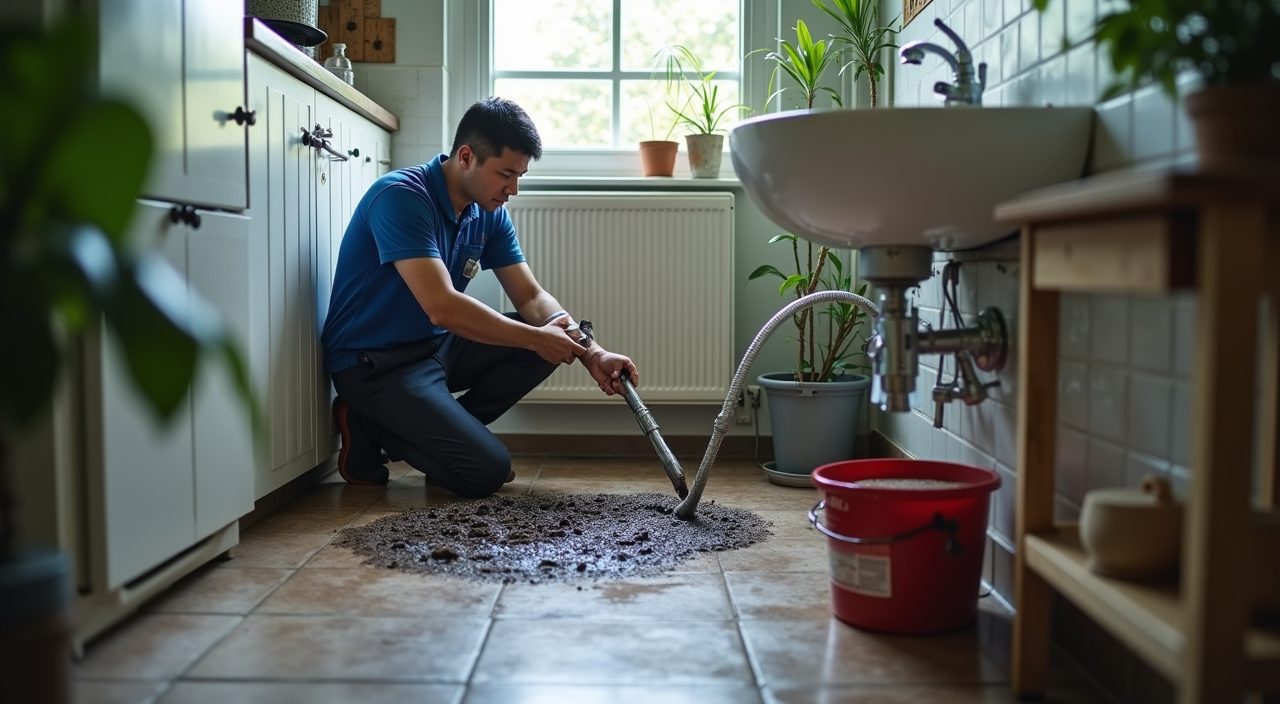
Every food and beverage outlet in Singapore that discharges kitchen wastewater must fit a grease trap or grease interceptor before its waste enters the public sewer. The requirement is enforced by PUB (which manages the used water network) rather than NEA, and the trap must be correctly sized, kept in working order, and cleaned often enough that it never overflows into the sewer. In practice most kitchens clean their trap weekly, keep a service log, and have a licensed plumber verify sizing at fit-out.
A grease trap is a simple settling chamber. Warm, greasy water enters, cools, and the fats, oils and grease (FOG) float to the top while food solids sink to the bottom. Cleaner water in the middle flows out to the sewer. It matters because congealed FOG is the main cause of sewer chokes across Singapore, and a blocked or overflowing trap in your own kitchen means bad smells, pest problems, and a failed inspection. This guide covers who needs one, which authority sets the rules, how to size it, and how often to clean it.
Who needs a grease trap in Singapore?
Any premises that prepares or cooks food and sends the resulting wastewater to the public sewer needs a grease trap or interceptor. That covers restaurants, coffee shops, hawker stalls, cafes, bakeries, central kitchens, food courts, canteens and cloud kitchens. If your kitchen has a sink, dishwasher, wok range or floor gully that collects food waste, the discharge from those points has to pass through a trap first.
The obligation applies whether you are a new fit-out or taking over an existing unit. When you renovate or change use, the grease trap is checked as part of getting your sanitary and used water works approved. If the previous tenant ran a different concept, the trap that is already there may be the wrong size for your menu.
- Restaurants, cafes, bakeries and dessert shops
- Hawker and coffee shop stalls with cooking
- Central kitchens, cloud kitchens and food factories
- Staff canteens, food courts and catering kitchens
- Any unit where kitchen sinks or gullies discharge FOG to the sewer
Is it NEA or PUB that regulates grease traps?
This is the point most F&B operators get wrong. NEA licenses your food shop and enforces food hygiene, pest control and general cleanliness, so an NEA inspector will absolutely notice a filthy or overflowing trap. But the technical rule that you must install and maintain a grease trap sits with PUB under the used water and sewerage regulations, because the trap protects the public sewer.
In short, treat both agencies as stakeholders. PUB sets the sizing and installation standards and requires the trap to be maintained so it does not discharge excess FOG. NEA can act on the hygiene consequences of a neglected trap during a food shop inspection. Getting the plumbing right at fit-out keeps both sides satisfied.
- PUB: sets installation and sizing rules, protects the sewer from FOG
- NEA: licenses the food shop, acts on hygiene and pest issues
- Licensed plumber: certifies the sanitary and used water works
How do you size a grease trap for a kitchen?
Sizing depends on how much greasy water passes through and how fast, not just on floor area. The trap has to hold the flow long enough for grease to separate out before the water leaves. As a rough guide, a small cafe or single stall may run a compact under-sink trap, a busy full-service restaurant needs a larger in-ground or precast interceptor, and a central kitchen or food court often needs a substantial in-ground interceptor sized to combined peak flow.
Do not guess this from a supplier catalogue alone. The correct approach is to have your licensed plumber calculate the flow from your fixtures (sinks, dishwashers, wok stations, floor gullies), factor in your menu's oil load, and match a trap with enough capacity and retention time. Undersizing is the classic mistake: the trap fills with grease within days, stops separating, and pushes FOG straight into the sewer.
- Base size on peak flow and FOG load, not floor area
- Count every greasy fixture: sinks, dishwashers, wok ranges, gullies
- Small stall or cafe: compact under-sink trap may suffice
- Full restaurant: larger precast or in-ground interceptor
- Food court or central kitchen: high-capacity in-ground interceptor
- When unsure, size up rather than down
How often should a grease trap be cleaned?
There is no single fixed interval that fits every kitchen; the rule is that the trap must be cleaned before the accumulated grease and solids affect its performance. For most Singapore F&B outlets that means weekly, and many high-volume kitchens (heavy frying, lots of covers) clean two or three times a week. A quiet cafe might stretch to fortnightly, but only if the trap genuinely stays clean.
A useful benchmark used in the trade is the one-quarter rule: when the combined layer of floating grease and settled solids reaches about a quarter of the trap's depth, it is time to clean. Check it, do not just trust the calendar. If it fills faster than expected, either clean more often or your trap is undersized.
- Most F&B kitchens: clean weekly
- Heavy-frying or high-volume kitchens: two to three times a week
- Low-volume cafe: fortnightly only if it stays genuinely clean
- Trigger point: grease plus solids reach about a quarter of trap depth
- Never let it reach the outlet pipe level
What does proper grease trap cleaning involve?
Cleaning means fully emptying the trap, not just skimming the top. Scoop out the floating FOG and the settled food solids, scrape the walls and baffles, then check that the inlet and outlet are clear. The waste you remove is not ordinary rubbish and must not go down any drain or toilet; it should be bagged and disposed of, or for larger interceptors collected by a licensed waste contractor.
Keep a simple service log with the date, who cleaned it, and the condition you found it in. That log is your evidence during an inspection and it also tells you whether your cleaning frequency is right. Wear gloves, expect strong smells, and never pour hot water or degreaser chemicals in to melt the FOG through: that just sends liquefied grease into the sewer where it re-hardens and causes a choke downstream.
- Remove floating grease and bottom solids completely
- Scrape walls, baffles, inlet and outlet
- Bag and dispose of FOG waste correctly, never down a drain
- Use a licensed contractor for large in-ground interceptors
- Record every clean in a service log
Who should install and maintain your grease trap?
Installation and any modification to the trap should be done by a licensed plumber, because it forms part of your certified sanitary and used water works. A licensed plumber can calculate the correct size for your menu, position the trap for easy access, connect it properly, and sign off the works so your fit-out passes. Getting this right once at renovation stage is far cheaper than reworking a wrongly sized trap after you open.
If you are fitting out or taking over an F&B unit, our plumbing team can size, supply and install the right grease trap, connect it to your kitchen fixtures, and set up a realistic cleaning schedule so you stay compliant from day one. We can also inspect an existing trap you have inherited and tell you honestly whether it suits your concept or needs upsizing.
Frequently asked questions
Do hawker stalls and coffee shop stalls need a grease trap too? Yes. Any stall that cooks and discharges greasy water to the sewer needs to trap that FOG. Many stalls share a common trap arrangement in the coffee shop or hawker centre, but your individual discharge still has to be managed, so check what serves your unit before you start cooking.
Can I just pour degreaser or enzyme products in instead of cleaning? No. Chemical or enzyme dosing can help slow buildup between cleans, but it does not remove the grease from the system; it often just liquefies FOG so it flows into the sewer and hardens further along, causing a choke you are responsible for. Physical emptying is still required.
What happens if my grease trap overflows or is undersized? You risk foul smells, pests, a failed food shop inspection, and being held responsible for any sewer choke traced back to your outlet. The fix is usually to clean more frequently and, if that is not enough, replace the trap with a correctly sized one, which a licensed plumber can advise on.
How much does a grease trap cost to install in Singapore? It varies widely with type and size, from a modest sum for a small stainless under-sink trap to a much larger figure for an in-ground precast interceptor with excavation and connection works. Because the cost depends on your kitchen layout and flow, the honest answer is to get it sized and quoted for your specific unit rather than relying on a fixed price.