
HDB Ceiling Leak From the Unit Above: Who Pays?
HDB ceiling leaks are usually shared 50/50 between you and your upstairs neighbour. Here is who pays, the rules, and how to fix it.
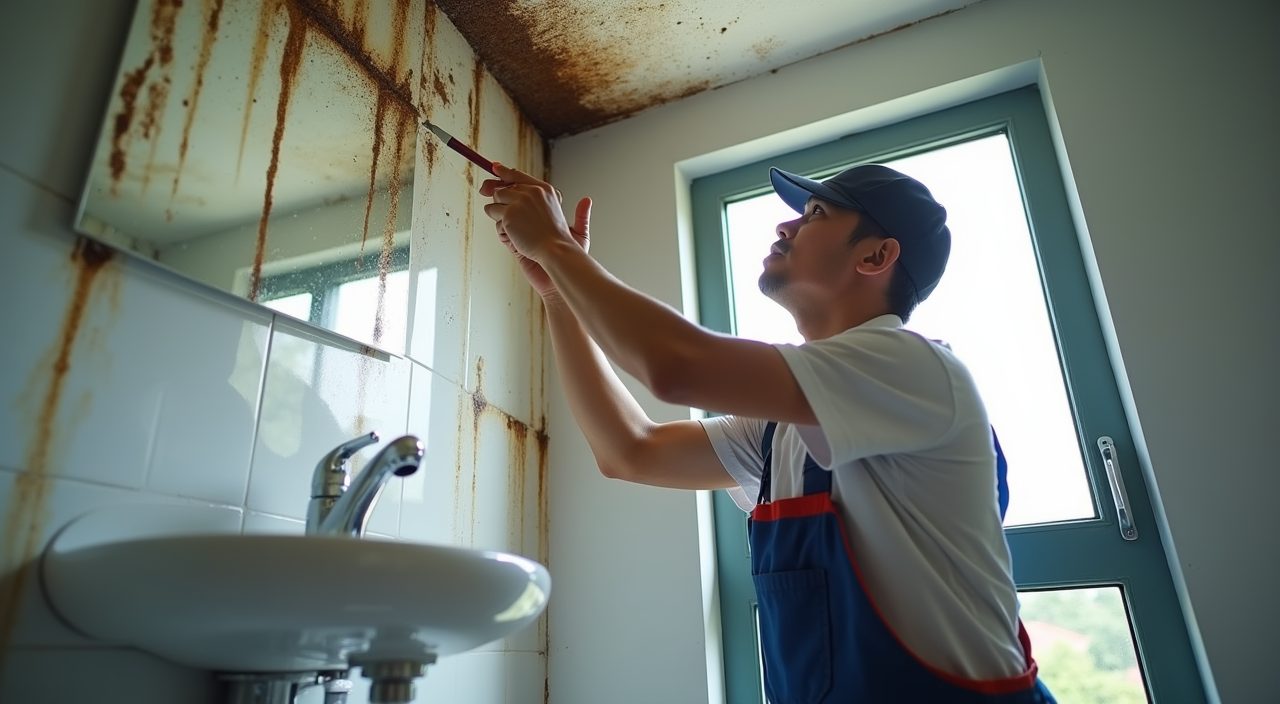
For a typical HDB ceiling leak coming from the flat above, the cost of investigation and repair is usually shared equally between the two households, with each paying half. This 50/50 split is the default position HDB promotes when the leak comes from a defective floor slab or waterproofing membrane between the two units, because that layer is jointly owned. The split can change if one party clearly caused the damage, refuses to cooperate, or if the leak turns out to come from a different source.
In practice, most ceiling leaks in older flats trace back to worn waterproofing in the upstairs bathroom or kitchen. Water seeps through the concrete slab and shows up as damp patches, peeling paint, or dripping on your ceiling below. Sorting out who pays comes down to finding the real source, agreeing on the cost, and getting a proper repair done.
Why is the cost usually split 50/50?
The floor slab and the waterproofing membrane sit between your ceiling and your neighbour's floor. Neither household owns that layer outright, so HDB treats it as a shared boundary. When the membrane fails from age and normal wear, both parties benefit from the fix, which is why the default is an equal split of investigation and repair costs.
This is a guideline HDB encourages for amicable settlement, not a law that forces a 50/50 outcome. If your neighbour caused the damage through renovation, an overflowing tank, or clear negligence, you can argue they should pay more or all of it. Keeping the conversation reasonable usually gets the leak fixed faster than fighting over the exact share.
When does the upstairs neighbour pay more or everything?
The split shifts away from 50/50 when the leak is not just aged waterproofing. If the water is coming from a burst pipe, a badly done renovation, a leaking water heater, or an overflowing appliance inside the upstairs unit, the household responsible for that fixture is generally liable for the full repair.
Examples where the upstairs owner may bear more of the cost:
- A pipe or fitting inside their flat has burst or was poorly installed.
- Recent renovation damaged the waterproofing or slab.
- They refuse to investigate or repair after being informed, which can push liability onto them.
- An appliance such as a washing machine, water heater, or tank overflowed.
What are the first steps when you spot a ceiling leak?
Act early, because water damage spreads and stains set in. Take clear photos and videos of the damp patch, note the dates, and watch whether the leak gets worse after your neighbour uses their bathroom or kitchen.
Then approach the upstairs household politely and show them the evidence. Many leaks are settled neighbour to neighbour once the source is agreed. If they cooperate, you can jointly appoint a contractor to test and repair, and split the bill.
- Photograph and date the affected ceiling and walls.
- Note when the leak worsens to hint at the source.
- Speak to your upstairs neighbour before escalating.
- Keep records of every message and agreement.
What if the neighbour refuses to cooperate?
If your neighbour will not talk or denies responsibility, you can contact your Town Council or HDB for help. Since 2019, the Building Maintenance and Strata Management framework and community mediation channels give a clearer path for inter-floor leak disputes between HDB households.
You can also seek help from the Community Mediation Centre or, in unresolved cases, pursue the matter as a dispute. HDB can advise on the process, though it generally acts as a facilitator rather than paying for the repair itself. Written records of your attempts to resolve things amicably will strengthen your position.
How is the leak source actually found and repaired?
A plumber or waterproofing specialist runs a moisture or ponding test in the upstairs unit to confirm where the water is entering the slab. Once the source is clear, the usual fix is to hack the affected floor screed in the unit above, apply a fresh waterproofing membrane, and reinstate the tiles and finishes.
This is skilled work and doing it properly is what stops the leak coming back within months. If you want it handled correctly, it is worth engaging a licensed contractor for professional water leak repair in Singapore, who can carry out the test, pinpoint the source, and restore both the waterproofing and your damaged ceiling. A proper repair protects both units and avoids a repeat dispute.
Can you claim the repair on insurance?
It depends on your policy. Some HDB home content or fire insurance plans cover water damage to your renovations and belongings, but they often exclude the gradual seepage caused by worn waterproofing. Sudden events, like a burst pipe, are more likely to be covered.
Check your policy wording and the mandatory HDB fire insurance, which mainly covers structural elements and not your renovation or contents. Call your insurer early, before repairs start, so you know what documentation they need.
Frequently asked questions
Who is responsible for an HDB ceiling leak from the unit above? When the leak comes from worn waterproofing in the shared floor slab, the cost is usually split 50/50 between you and your upstairs neighbour. If the leak is caused by a specific defect or negligence in the upstairs unit, that household may bear more of the cost.
Will HDB pay to fix my leaking ceiling? Generally no. HDB and Town Councils act as facilitators for inter-floor leak disputes rather than paying for private repairs. The cost falls on the affected households, usually shared, unless one party is clearly at fault.
How long does an HDB ceiling leak repair take? Testing to find the source can take a few days, since waterproofing tests need time for water to seep through. The repair itself, including hacking, re-waterproofing, and reinstating tiles, typically takes several days to about a week depending on the area.
What if my neighbour ignores the leak? Document everything, then escalate to your Town Council, HDB, or the Community Mediation Centre. A neighbour who refuses to investigate or repair after being informed can end up bearing more of the liability.