
Heat Pump Water Heater in Singapore: Is It Worth the Higher Upfront Cost?
A heat pump water heater costs more upfront in Singapore but can cut water heating power use sharply. Here is when the payback makes sense for your home.
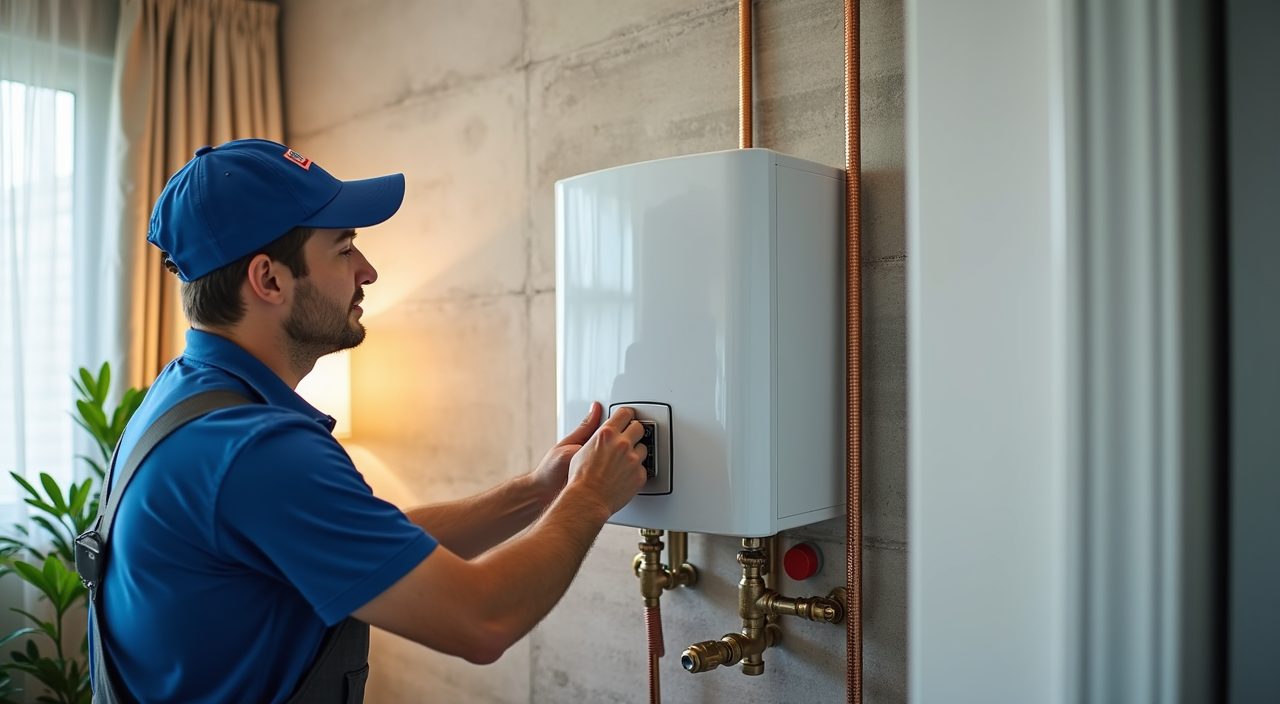
A heat pump water heater usually costs several times more than a standard storage or instant electric heater in Singapore, but it uses roughly two thirds to three quarters less electricity to heat the same water. For a household that uses a lot of hot water every day, the energy savings can pay back the higher upfront cost within a few years. For a small household that only showers with warm water occasionally, the numbers often do not add up.
Singapore's warm, humid climate actually helps a heat pump water heater work well, since these units pull heat from the surrounding air. The catch is that they need space, they are physically larger, and they suit landed homes or larger condos far more than a compact HDB bathroom. This guide walks through the real trade-offs so you can decide before spending the money.
What is a heat pump water heater and how does it work?
A heat pump water heater does not generate heat directly the way a normal electric element does. Instead it uses a small compressor and refrigerant to move heat from the surrounding air into a storage tank of water, much like an air conditioner running in reverse. Because it moves heat rather than creating it, it delivers several units of heat energy for every one unit of electricity it draws.
This efficiency is measured as a coefficient of performance, or COP. A typical heat pump water heater has a COP of around 3 to 4, meaning it produces roughly three to four times more heat energy than the electricity it consumes. A standard electric heater has an effective COP of about 1, since almost all the power becomes heat with no multiplier.
How much does a heat pump water heater cost in Singapore?
Expect the unit itself plus installation to run into the low-to-mid four figures for a residential heat pump water heater, compared with a few hundred dollars for a common storage or instant electric heater. The exact figure depends on tank size, brand, and how much plumbing and electrical work your home needs.
The running cost is where it claws the money back. Because it uses far less electricity per litre of hot water, a heavy-use household sees a noticeably smaller share of hot water on the monthly power bill.
Rough cost comparison as bullets:
- Instant electric heater: lowest upfront cost, highest running cost per shower, no tank needed
- Storage electric heater: low-to-moderate upfront cost, moderate running cost, needs a tank
- Heat pump water heater: highest upfront cost, lowest running cost, needs a larger tank and clearance space
When does the payback actually make sense?
The payback depends almost entirely on how much hot water you use. A large family that runs multiple hot showers a day, plus hot water for washing, will burn through enough electricity on a conventional heater that the heat pump's savings add up quickly. In that case, payback within a handful of years is realistic.
A one or two person household that only occasionally wants warm water will save far less in absolute terms, so the higher upfront cost may take many years to recover. If you fall into this group, a good storage or instant heater is usually the more sensible buy.
- Good fit: large family, daily heavy hot water use, landed home or spacious condo with room for the tank
- Poor fit: small household, light or occasional hot water use, compact HDB flat with no space for a larger unit
- In between: run the numbers on your own monthly usage before committing
What are the practical downsides in a Singapore home?
Space is the biggest constraint. A heat pump water heater is bulkier than a slim wall-mounted heater and needs clearance around it so it can draw air freely. This is easy in a landed property utility area or a large balcony, but hard in a small HDB service yard or bathroom.
There are two other things to plan for. The unit produces a low hum from its compressor and fan, so you do not want it right outside a bedroom window. It also gives off cool, slightly drier air as a by-product, which can be a bonus in a laundry area or store room but is a nuisance in a tight, enclosed space.
Does the warm Singapore climate help or hurt?
It helps. Heat pumps are more efficient when the surrounding air is warm, and Singapore's air rarely drops below comfortable temperatures. That means a heat pump water heater here tends to hold its efficiency all year, unlike in colder countries where performance falls in winter.
The high humidity does mean the unit will produce condensate water that needs a proper drain, so this is worth flagging to whoever installs it. A correctly positioned condensate drain avoids pooling water and keeps the area dry.
How should it be installed and who should do it?
A heat pump water heater ties together plumbing, drainage, and electrical work, so it is not a simple swap for a homeowner to attempt. The tank must be plumbed correctly, the condensate drain routed to a proper outlet, and the electrical supply sized and connected safely. In Singapore, electrical connection work should be handled by a competent licensed person to keep it compliant and safe.
If you are weighing this against a standard heater, it helps to have someone assess your space, hot water demand, and existing pipework before you buy. Our team handles water heater installation across renovation, plumbing, and electrical scope, so we can advise whether a heat pump unit genuinely fits your home or whether a conventional heater is the smarter spend.
Frequently asked questions
Is a heat pump water heater worth it for an HDB flat? Usually not, unless you have unusual space and heavy hot water use. Most HDB bathrooms and service yards are too tight for the larger unit and its clearance, so a storage or instant heater is the more practical choice for typical flats.
How much electricity does a heat pump water heater save? Because a typical unit has a COP of around 3 to 4, it uses roughly two thirds to three quarters less electricity than a standard electric heater for the same amount of hot water. Your actual saving depends on how much hot water you use each month.
Does a heat pump water heater need servicing? Yes, like any appliance with a compressor and fan it benefits from occasional checks. Keeping the air intake clear and the condensate drain flowing helps it run efficiently and last longer.
Will it give hot water instantly? No, it heats and stores water in a tank, so you rely on the stored supply rather than instant heating at the tap. Sizing the tank to your household use matters so you do not run out during busy periods.