
How Long Should a Water Heater Last? Replacement Signs for Singapore Homes
How long water heaters last in Singapore, the warning signs it is time to replace yours, and how to choose between instant and storage units.
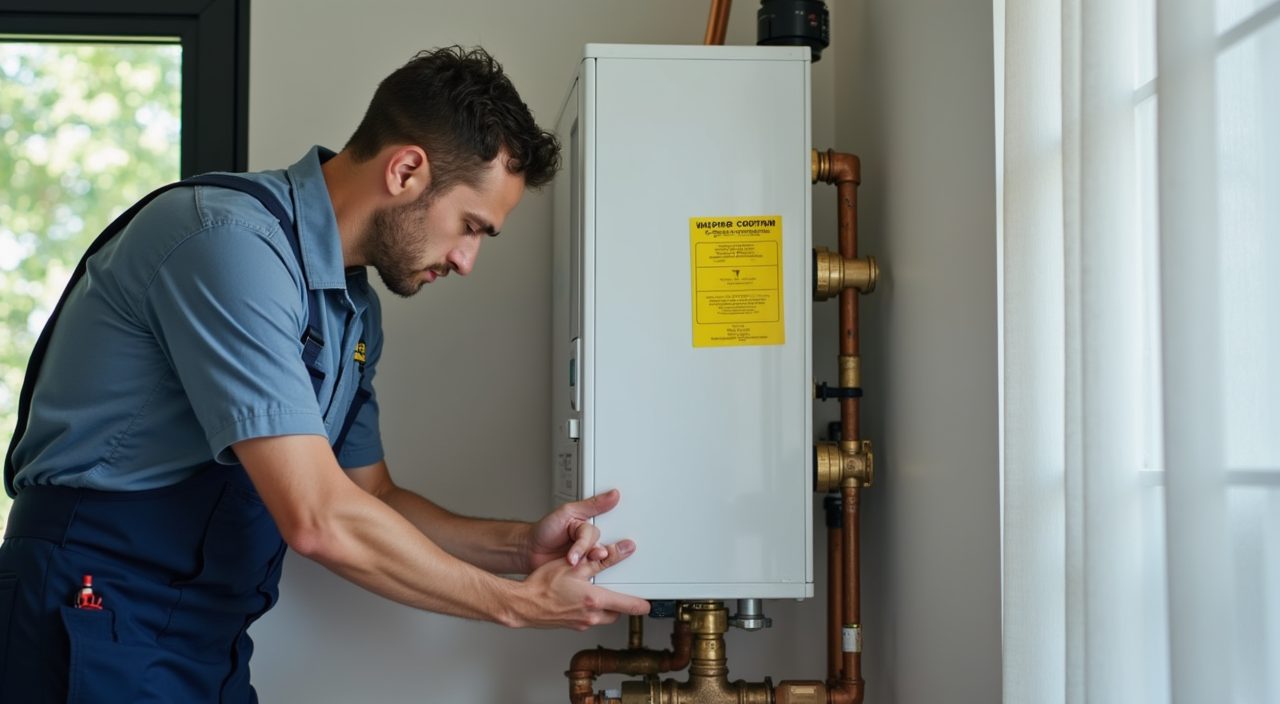
Most water heaters in Singapore last between 8 and 12 years. Instant (tankless) heaters tend to sit at the lower end, around 7 to 10 years, while storage tank heaters can reach 10 to 15 years if well maintained. Once your unit passes the 10-year mark, or starts showing signs like leaking, weak heating, or tripping the circuit breaker, it is usually safer and cheaper in the long run to replace it than to keep repairing it.
Lifespan is a range, not a guarantee. Hard water is not really an issue here since Singapore's supply is soft and treated, but constant humidity, heavy daily use, and cheaper builds all shorten how long a heater survives. The rest of this guide walks through the real warning signs, the difference between instant and storage units, and when a repair still makes sense.
How long does a water heater last in Singapore?
Expected lifespan depends mostly on the type of heater and how it is used. These are realistic ranges for local homes, assuming normal household use and occasional servicing.
A heater running past these ranges is not automatically unsafe, but the odds of a sudden failure climb each year. Once you are near the upper limit, it is worth planning ahead rather than waiting for a cold-shower emergency.
- Instant (tankless) heaters: about 7 to 10 years
- Storage tank heaters: about 10 to 15 years
- Heat pump water heaters: about 10 to 15 years, though servicing matters more
- Cheaper unbranded units: often 5 to 8 years before problems start
What are the signs your water heater needs replacing?
Water heaters rarely fail without warning. The clearest red flags point to an internal problem that repairs cannot fix cheaply, or a safety risk you should not ignore.
If you notice any leaking or repeated breaker tripping, switch the unit off at the isolator and stop using it until it is checked. Water and electricity together are the main safety concern with an ageing heater.
- Water pooling or dripping around the tank or pipe joints
- Water that no longer gets properly hot, or runs hot then cold
- The circuit breaker or safety switch trips when the heater runs
- Rusty, brown, or metallic-smelling hot water
- Strange knocking, popping, or rumbling sounds from the tank
- Visible corrosion or rust stains on the casing or fittings
- The unit is over 10 years old and needs frequent repairs
Should you repair or replace your water heater?
A good rule of thumb: if the heater is under 7 years old and the fault is a single replaceable part, repair is usually the sensible choice. If it is over 10 years old, leaking from the tank itself, or the repair cost approaches half the price of a new unit, replacement almost always wins.
Tank leaks are the clearest replace signal. A leaking tank means the inner vessel has corroded through, and that cannot be patched reliably. Faults like a burnt heating element, a failed thermostat, or a worn safety valve are often worth repairing on a newer unit.
- Repair makes sense: newer unit, minor part failure, no tank leak
- Replace makes sense: tank leaking, unit over 10 years, or repeated faults
- Grey area: 7 to 10 years old with a moderate repair cost, weigh it against a new unit's efficiency and warranty
Instant vs storage water heaters: which lasts longer?
Storage tank heaters generally last longer than instant heaters because their components run less intensely, but they take up more space and keep water warm around the clock. Instant heaters are compact and heat on demand, which suits smaller HDB bathrooms, though the internal element works harder each use.
Neither type is simply better. The right choice depends on your bathroom size, how many people use hot water at once, and whether you want mains-pressure flow. A plumber can size the unit to your flat rather than you guessing from the box.
- Storage tank: longer lifespan, steady hot water, needs wall space and a tank
- Instant (tankless): compact, heats on demand, element under more strain per use
- Multipoint storage: one tank serving several outlets, common in landed homes
- Single-point instant: one heater per shower, common in HDB flats
How can you make your water heater last longer?
Simple habits stretch a heater's life and cut the risk of a surprise failure. The biggest wins are keeping the electrical connection safe, servicing the unit periodically, and not running it far beyond its rated life.
For storage tanks, having the anode rod and heating element checked every few years prevents the slow internal corrosion that eventually kills the tank. For instant heaters, keeping the inlet filter clean protects the element from grit.
- Switch the heater off when not in use to reduce wear and standby heating
- Service storage tanks every 2 to 3 years, including the anode rod
- Keep instant-heater inlet filters clean so flow stays steady
- Make sure the isolator switch and earthing are in good condition
- Address small drips or weak heating early, before they become failures
How do you get a water heater replaced in Singapore?
Replacing a water heater is not a pure DIY job, since it combines electrical and plumbing work, and mains-connected electrical work should be handled by a licensed professional. A proper installation includes safely isolating the old unit, mounting and connecting the new one, and testing for leaks and correct earthing before you use it.
If your heater is showing the signs above, our water heater installation service can assess your existing setup, recommend the right instant or storage unit for your flat, and handle the removal and fitting so the connection is safe and watertight. Getting a professional to size and install the unit avoids the common problems of undersized heaters, poor earthing, and hidden leaks.
Frequently asked questions
How often should a water heater be replaced? For most Singapore homes, plan to replace a storage heater around 10 to 15 years and an instant heater around 7 to 10 years. If yours is past those ranges or needing repeated repairs, replacement is usually the wiser spend.
Is it dangerous to keep using an old water heater? It can be. An old unit that leaks, trips the breaker, or has corroded earthing mixes water and electricity, which is the main safety risk. If you see any of those signs, switch it off at the isolator and have it checked before further use.
Can I install a new water heater myself? The plumbing side may look simple, but the electrical connection to the mains should be done by a licensed professional to meet local safety requirements. A proper install also tests earthing and checks for leaks, which DIY setups often miss.
How much does a water heater replacement cost in Singapore? It varies with the heater type, brand, and whether new wiring or brackets are needed, so it depends on your setup. The best way to get an accurate figure is to have a plumber inspect your current installation and quote for the specific unit you want.