
How Much Does an F&B Fit-Out Cost in Singapore? Cafe, Restaurant and Bar Breakdown
What an F&B fit-out really costs in Singapore, broken down for cafes, restaurants and bars, plus the kitchen, licensing and M&E costs that catch owners out.
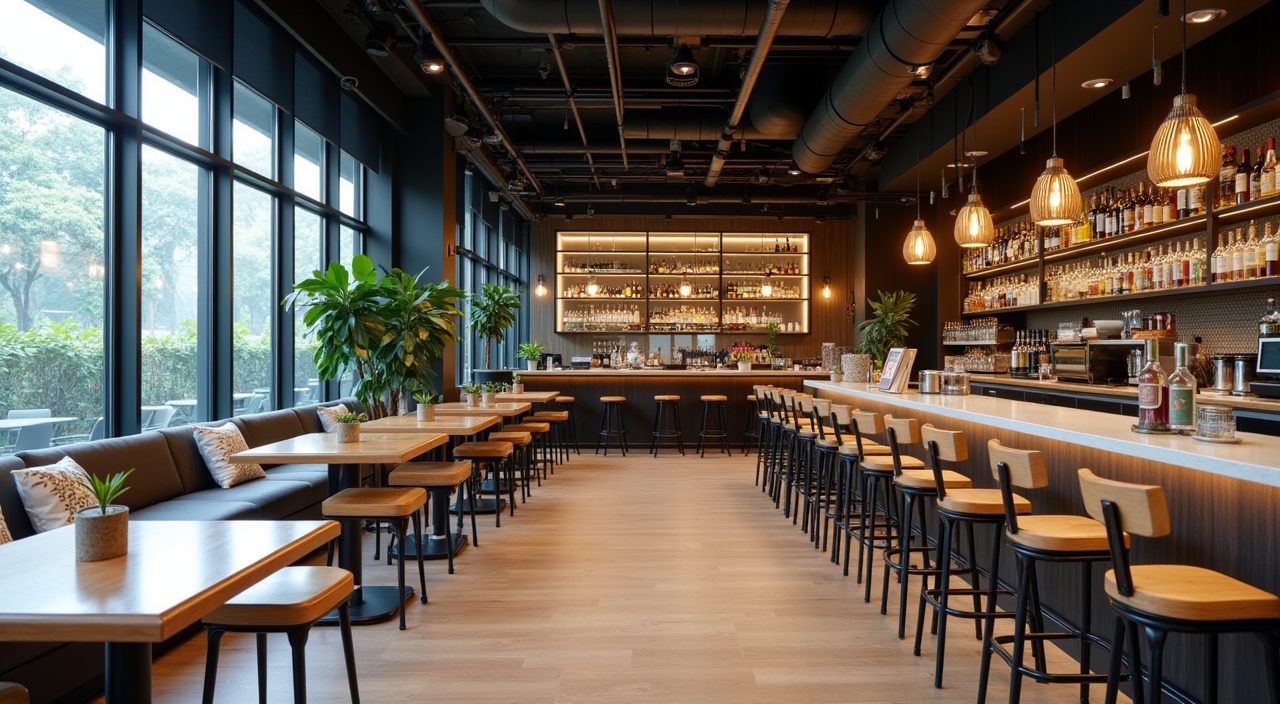
Most F&B fit-outs in Singapore land somewhere between S$800 and S$2,500 per square foot, so a typical outlet runs from roughly S$150,000 for a lean cafe to well over S$1 million for a full-service restaurant or bar. Where you fall depends mostly on kitchen scope, the condition of the unit you take over, and how much you spend on finishes and branding.
The single biggest variable is whether you inherit an existing F&B space with a working kitchen and exhaust, or start from a bare shell. A bare unit means you build the grease trap, kitchen exhaust, gas, and mechanical ventilation from scratch, and that alone can add S$100,000 or more to your budget.
What is a realistic cost per square foot for an F&B fit-out?
Cost per square foot is the fastest way to sanity-check a quote, but it swings hard by concept. A grab-and-go kiosk with a small pantry sits at the low end. A restaurant with a hot kitchen, or a bar with heavy joinery and feature lighting, sits at the top.
Use these Singapore ranges as a starting point, then adjust for your unit's condition and finish level:
- Cafe or quick-service: roughly S$800 to S$1,400 per sq ft
- Casual dining restaurant: roughly S$1,200 to S$2,000 per sq ft
- Full-service or fine dining: roughly S$1,800 to S$2,500+ per sq ft
- Bar or lounge: roughly S$1,300 to S$2,200 per sq ft, driven by joinery and lighting
How does the cost break down by concept?
A cafe spends most of its budget front of house: counter, seating, coffee equipment and a strong visual identity, with a compact back kitchen. A restaurant flips that ratio, since the hot kitchen, extraction and cold rooms swallow a large share. A bar sits in between, but pours money into the back bar, chillers, and the mood lighting that defines the room.
Rough all-in ranges for a typical shopfront unit, assuming a partly serviced space:
- Cafe (around 800 to 1,200 sq ft): approximately S$150,000 to S$400,000
- Restaurant (around 1,500 to 2,500 sq ft): approximately S$400,000 to S$1,200,000
- Bar or lounge (around 1,200 to 2,000 sq ft): approximately S$300,000 to S$900,000
- Small kiosk or takeaway counter: often S$60,000 to S$150,000
What line items make up an F&B fit-out?
It helps to think in categories, because the headline design fee is usually the smallest part. Mechanical, electrical and plumbing (M&E) plus the kitchen are where budgets quietly blow out.
Typical share of the total for a restaurant-scale project:
- Kitchen equipment and cold rooms: often 20 to 35 percent
- M&E works (power, exhaust, ventilation, gas, plumbing, grease trap): often 15 to 25 percent
- Carpentry, joinery and fixtures: often 15 to 25 percent
- Finishes (flooring, walls, ceiling, tiling): often 10 to 20 percent
- Design, coordination and project management: often 8 to 15 percent
- Furniture, lighting, signage and branding: often 8 to 15 percent
Why do electrical and plumbing works cost so much in F&B?
F&B units draw far more power and water than a shop or office, so the mechanical and electrical backbone is a real cost, not a rounding error. A hot kitchen needs three-phase power, a properly sized exhaust hood with a fresh-air makeup system, and often a Licensed Electrical Worker to certify the supply upgrade with SP Group.
Plumbing is just as demanding. You need a compliant grease trap, sufficient floor traps and drainage falls, dedicated water points for the kitchen and coffee station, and sometimes a water heater upgrade. Getting the electrical and plumbing right early avoids expensive rework, which is exactly where an experienced renovation contractor who handles the wiring, exhaust and pipework in-house saves you money and delays.
What hidden costs catch F&B owners out?
The quoted fit-out figure rarely includes everything you actually pay before opening. Budget for these separately so cash flow does not surprise you.
Common extras that sit outside the main contract:
- Reinstatement: landlords in malls and many shophouses require you to return the unit to bare condition at lease end, often a five-figure sum you must provision for
- Licensing and submissions: SFA food shop licence, SCDF fire safety, and URA or landlord approvals, plus a Qualified Person for plans
- Grease trap and exhaust compliance, which malls inspect strictly
- Rent during the fit-out period, unless you negotiate a rent-free build window
- Professional fees for M&E consultants or QP endorsements on larger jobs
- Contingency of 10 to 15 percent for site surprises in older buildings
How can you keep an F&B fit-out on budget?
The cleanest saving is taking over a unit that was already an F&B outlet, since you may inherit the exhaust, grease trap and kitchen shell. The most expensive path is a bare shell in a building with weak power or drainage.
Practical ways to control the number without cheapening the result:
- Lease a space with an existing F&B licence history where possible
- Lock the kitchen equipment list before design, since changes late in the build are costly
- Phase non-essential features, such as a second bar or private room, for a later stage
- Get a single contractor to own renovation, electrical and plumbing so scopes do not fall through the cracks
- Keep a written variation log, so every added cost is agreed before work proceeds
Frequently asked questions
How long does an F&B fit-out take in Singapore? A cafe often takes 6 to 10 weeks, while a full restaurant or bar with a hot kitchen usually runs 10 to 16 weeks, plus a few extra weeks for licensing and mall approvals. Older buildings and heavy M&E work can push this longer.
Do I need a Qualified Person or licensed workers? For most F&B projects you will need a Licensed Electrical Worker for the power supply, a licensed plumber for water and drainage works, and for larger or structural jobs a Qualified Person to submit plans. Your contractor should coordinate these certifications.
Is it cheaper to take over an existing F&B unit? Usually yes. Inheriting a working kitchen, exhaust and grease trap can save tens of thousands of dollars and weeks of build time, though you should always verify that the existing systems meet current SFA and SCDF requirements.
How much contingency should I set aside? Plan for 10 to 15 percent on top of the contracted fit-out cost. Older shophouses, unexpected drainage or power limits, and licensing conditions are the usual reasons the final number moves.