
How Much Does an Office Renovation Cost Per Square Foot in Singapore?
Office renovation in Singapore usually runs from about S$50 to S$200 per square foot. See what drives the number and how to budget for your fit-out.
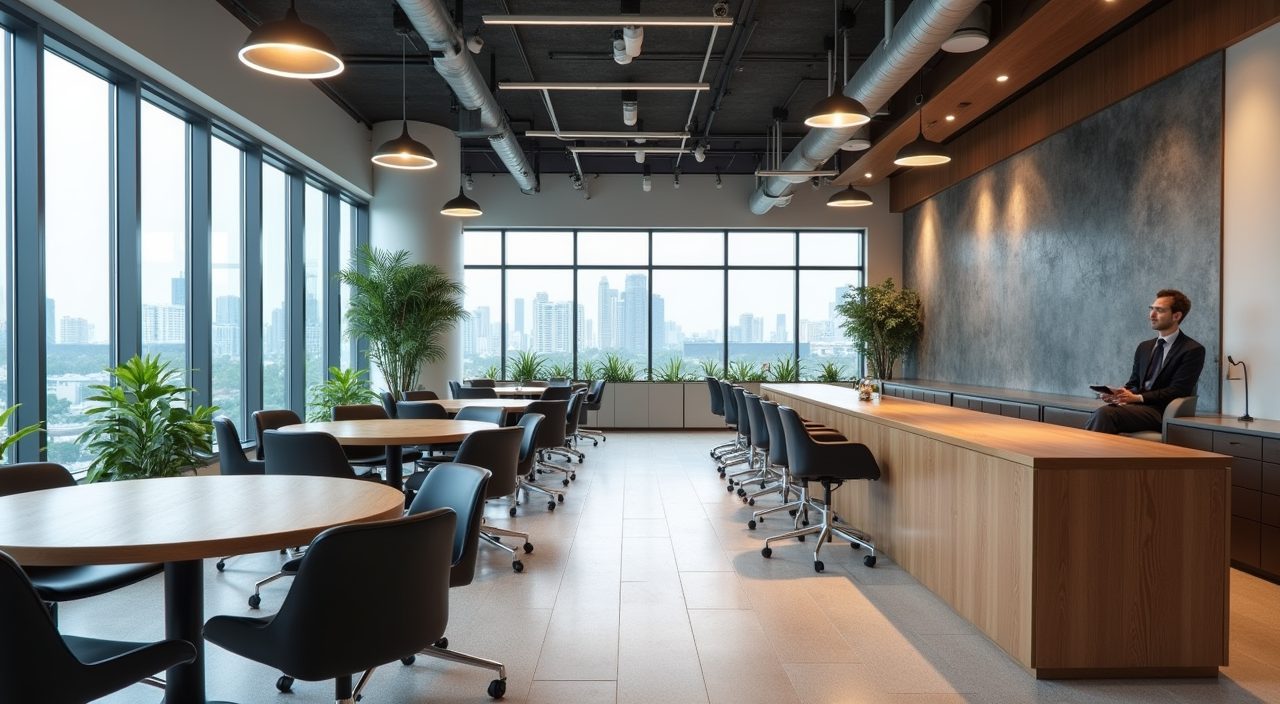
Office renovation in Singapore typically costs between S$50 and S$200 per square foot, depending on the level of fit-out. A basic refresh of an existing office sits at the lower end, a standard corporate fit-out lands around S$80 to S$130 per square foot, and a premium build with bespoke joinery, glass partitions and full mechanical and electrical works can push past S$200.
These are supply-and-install ranges for the interior works themselves. They exclude furniture, IT hardware, your monthly rent during the works, and professional fees. Because so much depends on the condition of the unit and your specification, treat any per-square-foot figure as a starting point rather than a fixed quote.
What does the per square foot range actually cover?
The rate you pay bundles together the physical works needed to turn a bare or dated space into a working office. A higher rate usually means more custom carpentry, better finishes, more partitioning and heavier services work rather than simply a bigger markup.
Here is roughly what sits inside a typical office fit-out cost per square foot:
- Basic refresh (about S$50 to S$80 psf): repaint, new flooring, light ceiling and lighting works, minor partitions
- Standard corporate fit-out (about S$80 to S$130 psf): new partitions, meeting rooms, pantry, carpet or vinyl, LED lighting, aircon adjustments, data and power points
- Premium or bespoke (about S$130 to S$200+ psf): custom joinery, feature walls, glass partitions, raised access flooring, full mechanical, electrical and plumbing works, acoustic treatment
Why is office renovation priced per square foot?
Per square foot is a quick way to benchmark a project before drawings exist, because most cost items scale with floor area. Flooring, ceiling, lighting, aircon capacity and partitioning all grow as the unit gets bigger, so a rate per square foot gives you an early sense of scale.
It has limits, though. A small 800 square foot office with three meeting rooms and a designer pantry can cost more per square foot than a plain 5,000 square foot open-plan floor, because the expensive elements are concentrated in a smaller area. Once you have a proper design, a line-item quote is always more accurate than a blended rate.
What factors push the cost up or down?
Two offices of identical size can differ widely in price. The condition of the unit and the ambition of the design are usually the biggest swing factors.
Watch these drivers when you budget:
- Bare shell versus existing office: a bare unit needs flooring, ceiling, aircon and toilets built from scratch, which adds significantly
- Amount of carpentry and glass: custom joinery and glass partitions are costly per running metre
- Mechanical, electrical and plumbing: extra power points, data cabling, aircon relocation and new pipework add up fast
- Meeting room count: more enclosed rooms means more partitions, doors, lighting and aircon zoning
- Finish level: premium tiles, stone, acoustic panels and branded features cost more than paint and vinyl
- Building rules and access: after-hours work, hoisting restrictions and management approvals in commercial buildings can raise labour costs
What extra costs sit outside the build itself?
The per-square-foot rate covers the interior works, but a full office project carries other costs you should plan for. Missing these is the most common reason a budget blows out.
Budget separately for the following:
- Loose furniture: desks, chairs, sofas and storage are usually quoted apart from the fit-out
- IT and AV: servers, cabling termination, screens and video conferencing kit
- Professional fees: interior design, and where structural or major services change, a Qualified Person may be needed for submissions
- Permits and submissions: URA change-of-use where applicable, BCA and fire safety approvals for certain works
- Reinstatement: most commercial leases require you to return the unit to its original state at lease end, so set money aside for it
Do I need permits for an office renovation in Singapore?
Cosmetic works like painting, new flooring and non-structural partitions generally do not need a building permit, but you almost always need approval from the building management before starting. Many commercial landlords require submitted drawings, contractor insurance and a security deposit.
Anything touching structure, fire safety, major electrical distribution or the use class of the space is different. Structural changes and significant fire-related works need a Qualified Person and BCA approval, fire protection works fall under SCDF requirements, and a change of use may need URA consent. A contractor who works in commercial buildings should flag which approvals your specific scope triggers before quoting.
How do I get an accurate quote for my office?
The reliable path is a site visit followed by a measured, line-item quotation rather than a rate quoted over the phone. A contractor needs to see the unit condition, the aircon and electrical provision, the ceiling height and the building rules before pricing with confidence.
Our renovation team handles commercial fit-outs across Singapore and can coordinate the electrical and plumbing works in the same project, which keeps the timeline tighter and avoids finger-pointing between trades. Share your floor area, a rough layout and your target move-in date, and you can get a scoped quote that reflects your actual space instead of a generic average.
How can I keep the cost reasonable without cutting corners?
Spend where it shows and where it is hard to change later. Good lighting, sound aircon, tidy cable management and a sensible layout carry a space more than expensive feature walls, and reworking services after handover is painful and costly.
A few practical moves that protect your budget:
- Reuse what works: keep sound flooring or ceilings instead of stripping everything out
- Standardise meeting rooms: repeating one detail is cheaper than several bespoke designs
- Phase the works: fit out core areas first and add nice-to-haves later if cash flow is tight
- Lock the design before works start: changes mid-project are the biggest cause of cost creep
- Get more than one quote: comparing scoped quotations, not just headline rates, shows what each price actually includes
Frequently asked questions
How much does it cost to renovate a small office in Singapore? For a small office of around 800 to 1,500 square feet, expect roughly S$60,000 to S$200,000 depending on how much partitioning, carpentry and services work you need. Smaller units often carry a higher per-square-foot rate because meeting rooms and pantries take up a larger share of the floor.
How long does an office renovation take? A straightforward fit-out often takes four to eight weeks, while a larger or more bespoke project can run two to three months or more. Building management rules on working hours and material hoisting can extend the schedule, so confirm these early.
Is GST included in office renovation quotes? Quotes may be shown before or after GST, so always check. For a GST-registered business the tax is usually claimable, but you should confirm the treatment with your accountant.
Can one contractor handle renovation, electrical and plumbing together? Yes, and it is usually smoother. Having the same team manage the building works alongside the electrical and plumbing means the trades are sequenced properly and you deal with a single point of accountability.