
How to Clean a Sink Drain (and Stop the Smell)
A Singapore homeowner's guide to cleaning a sink drain and stopping the smell, with safe DIY steps, what to avoid, and when to call a plumber.
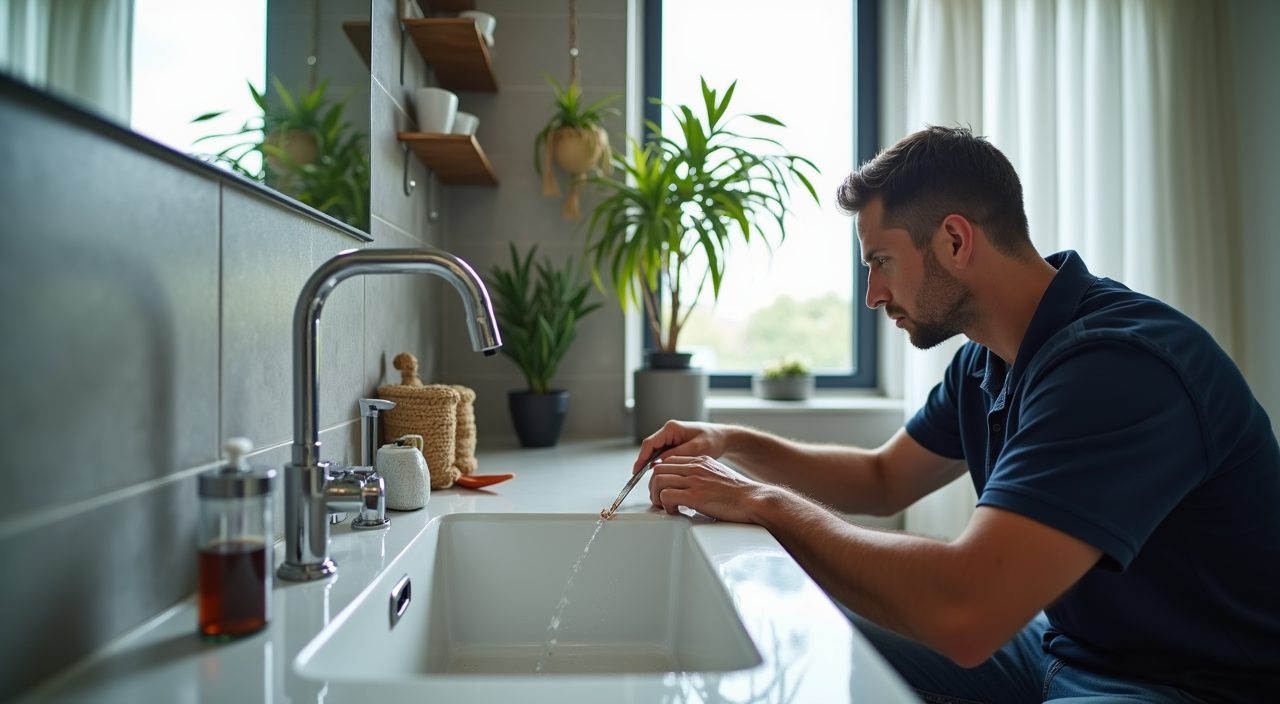
To clean a sink drain, remove and wash the strainer, pour a kettle of hot (not boiling) water down the drain, scrub the visible pipe and stopper, then flush with a mix of baking soda and vinegar followed by more hot water. To stop the smell, clear the trapped gunk that feeds bacteria and make sure the U-bend (P-trap) always holds water, because a dry trap lets sewer gas rise into your kitchen or bathroom.
Most sink smells in Singapore homes are not a deep blockage. They come from a film of grease, soap scum, food bits, and hair building up inside the drain and trap, which is the perfect food for odour-causing bacteria in our warm, humid climate. The good news is that a regular clean fixes the common cases without any harsh chemicals or special tools.
Why does my sink drain smell in the first place?
A sink drain smells because organic gunk has coated the inside of the pipe and the U-bend under the sink. Bacteria feed on that layer and release the sour, rotten, or eggy odour you notice. In a Singapore flat or condo, warm temperatures speed this up, so a drain that was fine last month can start to smell quickly.
There is a second common cause: a dry trap. The curved section of pipe under your sink is meant to hold a small pool of water that blocks sewer gas from coming back up. If a sink is rarely used, that water evaporates and you get a sewage or drain smell even though nothing is dirty.
- Grease and food film inside the pipe (kitchen sinks)
- Hair, soap, and toothpaste sludge in the trap (bathroom sinks)
- A dry U-bend in a sink you rarely use
- A partial blockage further down that traps rotting waste
What do I need before I start?
You do not need much. Almost every step uses things you already have at home, and none of it requires switching off water or opening sealed pipes.
Gather these first so you are not running back and forth:
- A kettle of hot water (hot tap or just-off-the-boil, not violently boiling)
- Baking soda (bicarbonate of soda) and white vinegar
- An old toothbrush or a small bottle brush
- Rubber gloves and a rag
- A bucket or basin to catch water if you open the trap
How do I clean a sink drain step by step?
Work from the top down. Start with the parts you can see and reach, then move to a flush that clears the pipe you cannot reach. This order clears most everyday smells and slow drainage.
Follow these steps in order:
- Remove the strainer or stopper and wash off the trapped hair, food, and slime.
- Pour a kettle of hot water down the drain to loosen grease and soap.
- Scrub the rim, stopper, and the top of the visible pipe with the brush.
- Pour about half a cup of baking soda into the drain, then a cup of white vinegar.
- Let it fizz for 10 to 15 minutes, then flush with another kettle of hot water.
- Run the tap for a minute to confirm it drains freely and the smell is gone.
Do baking soda and vinegar really work, or should I use drain cleaner?
Baking soda and vinegar work well for smell and light buildup because the fizzing action lifts grease and freshens the pipe. It is safe for you, safe for your pipes, and cheap, so it is the right first move for a routine clean.
Strong chemical drain cleaners are a different story. They can clear a clog, but the harsh formulas can damage older pipe seals, are dangerous if they splash, and often just push the problem down. If a fizz and flush does not fix it, the issue is usually a physical blockage or a trap problem that a cleaner will not solve well. Skip repeated chemical pours and move to clearing the trap instead.
How do I clean the U-bend (P-trap) under the sink?
The U-bend is the curved pipe under the sink, and it is where smells and slow drains often hide. Cleaning it clears the gunk that a top-down flush cannot reach.
Put a bucket underneath to catch water, then unscrew the two plastic nuts holding the U-bend in place. Tip out the trapped water and gunk, scrub the inside with your brush, rinse it, and screw it back on hand-tight. Run the tap and check for drips at the joints. If you are not comfortable opening pipes, or the fittings are metal and stiff, it is better to leave this to a plumber than risk a leak under the sink.
How do I stop the smell from coming back?
Prevention is mostly about not feeding the bacteria and keeping the trap wet. A few small habits keep a drain fresh far longer than any one-time deep clean.
Build these into your routine:
- Wipe grease and oil into the bin instead of rinsing it down the kitchen sink.
- Use a drain strainer to catch food scraps and hair.
- Run hot water down the drain for a few seconds after washing up.
- Do a baking soda and vinegar flush every couple of weeks.
- Pour a mug of water into any sink you rarely use so the trap never dries out.
When should I call a plumber?
Cleaning handles the everyday causes, but some signs point to a problem deeper in the pipework that DIY will not fix. If the smell returns fast after a proper clean, or more than one drain is slow at the same time, the issue is likely further down the line and needs a professional look.
Call a plumber if you notice water backing up, gurgling from other drains, repeated blockages, a leak at the trap, or a persistent sewage smell you cannot trace. Our plumbing team can clear stubborn blockages, check the trap and venting, and sort out any smell that keeps coming back, so you are not guessing or pouring chemicals down the drain every week.
Frequently asked questions
Is it safe to pour boiling water down the sink? Hot water is fine and helps melt grease, but avoid pouring rapidly boiling water directly into a ceramic sink or into PVC pipes, as extreme heat can crack ceramic or soften plastic joints over time. Use hot tap water or let a boil cool for a minute first.
How often should I clean my sink drain? For most Singapore homes, a quick baking soda and vinegar flush every two weeks plus a strainer clean-out as needed keeps smells away. Kitchen sinks that handle a lot of oily cooking may need it weekly.
Why does my drain smell like rotten eggs? A rotten-egg or sewage smell usually means sewer gas is escaping, often from a dry trap in a little-used sink or a venting issue. Pour water into the trap first; if the smell persists, have a plumber check the trap and vent.
Can I use bleach to clean my drain? A diluted bleach rinse can reduce odour bacteria, but never mix bleach with vinegar or other cleaners, as it releases toxic fumes. For regular cleaning, baking soda, vinegar, and hot water are safer and just as effective for smell.