
How to Fix a Running Toilet
A running toilet in Singapore usually means a worn flush valve seal or a stuck fill valve. Learn how to diagnose and fix it, plus when to call a plumber.
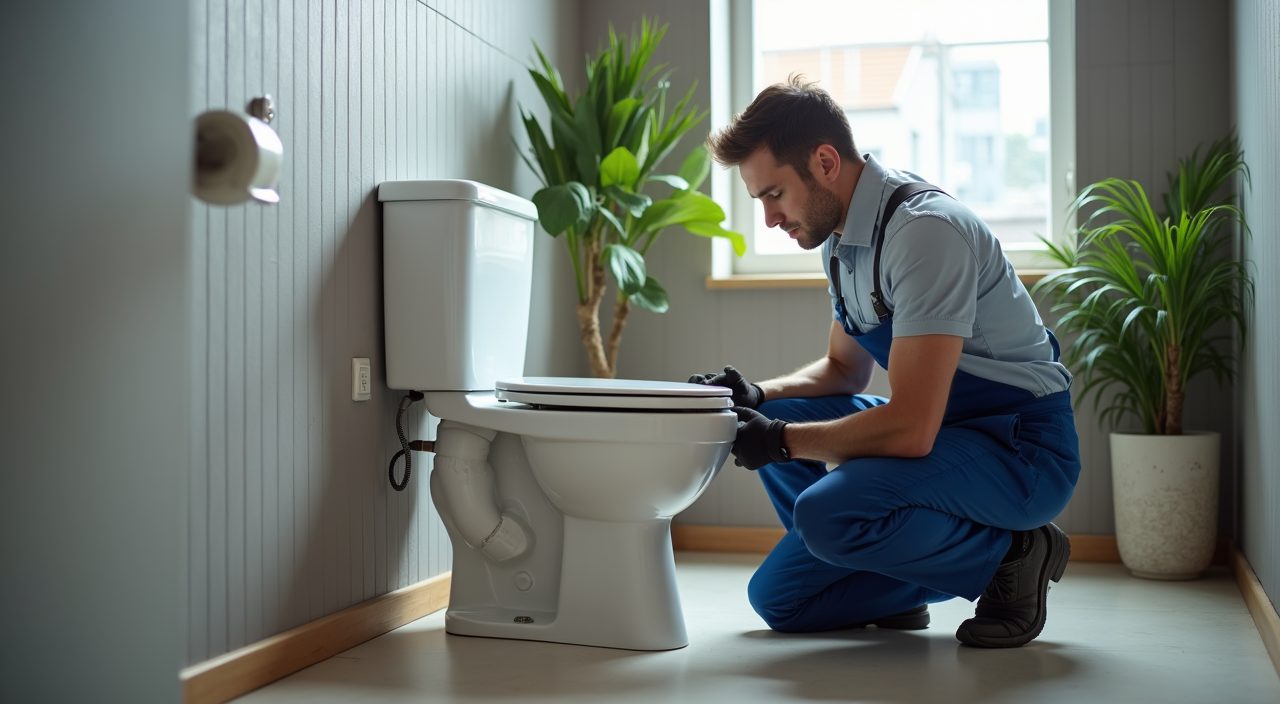
Most running toilets in Singapore are caused by a worn flush valve seal (the rubber flapper or diaphragm) or a fill valve that will not shut off. To fix it, turn off the angle valve under the cistern, open the tank, and check whether the flush seal is leaking or the fill valve keeps running. Replacing a worn seal or fill valve is a simple job for many homeowners; a persistent leak or a concealed cistern usually needs a licensed plumber.
A toilet that hisses, trickles or refills on its own every few minutes is not just annoying. It quietly wastes water and pushes up your monthly PUB bill, and over time the constant flow can stain the bowl. Singapore homes mostly use dual-flush cisterns with either a side or top button, and the internal parts are fairly standard, so once you know what to look for the fix is often quick and inexpensive.
Why is my toilet running?
A toilet runs when water keeps moving from the cistern into the bowl (or overflowing internally) instead of sitting still after a flush. There are only a few common culprits, and you can usually narrow it down in a couple of minutes by lifting the tank lid and watching what happens.
The usual causes in local homes are a worn flush valve seal that lets water seep into the bowl, a fill valve that does not close fully, a float set too high so water spills into the overflow tube, or a flush button or lever that sticks. Hard-water scale and general age are the most common reasons these parts fail here.
- Worn or warped flush valve seal (the rubber flapper or diaphragm) letting water leak into the bowl
- Fill valve that keeps letting water in and never shuts off
- Float or float arm set too high, so water runs into the overflow tube
- Sticky flush button or lever holding the valve open
- Debris or limescale stopping a valve from seating properly
How do I confirm where the leak is?
First, do the dye test. Turn off the flush and drop a little food colouring or a coloured cleaning tablet into the cistern, then wait about 15 to 20 minutes without flushing. If colour appears in the bowl, the flush valve seal is leaking and needs cleaning or replacing.
If the bowl stays clear but you still hear water, watch the fill valve and the overflow tube. If water is trickling down the overflow tube, the float is too high or the fill valve is not shutting off. If the fill valve keeps hissing even when the tank is full, the fill valve itself is worn.
How do I fix a running toilet step by step?
Start by closing the angle valve on the water pipe below the cistern, then flush to empty the tank. Remove the lid and, for push-button cisterns, unscrew the button collar so you can lift out the flush mechanism. Work over a towel because there will be some residual water.
Clean or replace the part you identified. A dirty seal often just needs wiping and reseating; a hardened or split seal should be swapped for a matching one. For fill valve problems, adjust the float down first, and if it still runs, replace the fill valve cartridge or the whole unit. Turn the water back on, let the tank refill, and check that it stops cleanly and holds level.
- Turn off the angle valve under the cistern and flush to drain
- Open the lid and remove the flush button collar or lever
- Inspect and clean the flush valve seal; replace it if worn or warped
- Lower the float or replace the fill valve if water keeps running
- Refill, then confirm the tank stops and no water enters the bowl
What parts and tools do I need?
Most fixes need only basic tools and an inexpensive replacement part. The tricky bit in Singapore is matching the part, because dual-flush cisterns from brands such as Baron, Johnson Suisse, TOTO, American Standard and Kohler use different flush and fill valve designs.
Bring the old part or a clear photo to the hardware shop so you get the correct fit. If you cannot identify the model, note the brand and button style, or take the cistern lid with you.
- Replacement flush valve seal or full flush mechanism, or a fill valve, to match your cistern
- Adjustable spanner and a flat screwdriver
- Cloth, small towel and a bucket for residual water
- White vinegar or a descaler to clear limescale from valves
- A phone photo of the old part for matching at the shop
When should I call a plumber instead?
Call a licensed plumber if the leak continues after you replace the seal and fill valve, if the angle valve is seized or itself leaking, or if you have a concealed or wall-hung cistern where the parts sit behind tiling. These jobs need the right access and matched components, and forcing old fittings can crack a cistern or damage the pipe.
If you would rather not open the tank at all, a professional can diagnose and sort it quickly, and this is exactly the kind of toilet repair and installation work our Singapore plumbers handle every day. A proper fix also stops the hidden water wastage that inflates your PUB bill month after month.
How much does a running toilet cost to fix in Singapore?
If you do it yourself, a replacement seal or fill valve is usually a low-cost item, so the whole job can cost under fifty dollars in parts. A plumber callout will cost more once you add the service fee and labour, and the total depends on which parts are replaced and how easy the cistern is to access.
As a rough guide, a straightforward plumber visit to replace flush or fill valve parts is commonly in the low hundreds, while a full cistern or toilet replacement costs more. Concealed cisterns and older or premium models tend to sit at the higher end because parts are pricier and access takes longer. Always confirm the price before work starts.
Frequently asked questions
Can a running toilet fix itself? Sometimes a seal reseats after a debris bit clears, so the noise stops on its own. But if it keeps returning, a part is worn and will only get worse, so it is better to inspect and replace it than to keep flushing and hoping.
Is a running toilet an emergency? Usually no, since there is no flooding, but it wastes water continuously and raises your PUB bill, so treat it as something to fix within days rather than weeks. If water is overflowing from the cistern onto the floor, shut the angle valve and get it sorted quickly.
How much water does a running toilet waste? It varies with the leak, but a steadily running toilet can waste a large volume over a day, which is why a small trickle you barely notice can still show up as a higher water bill over a month.
Do I need a licensed plumber in Singapore for this? For simple part swaps you can DIY, but for anything involving the incoming water supply, concealed cisterns, or new installation, use a licensed plumber so the work is done safely and correctly.