
How to Read Your PUB Water Meter and Cut a High Water Bill
Learn to read your PUB water meter in Singapore, spot a hidden leak, and cut a high water bill with practical checks any HDB or condo homeowner can do.
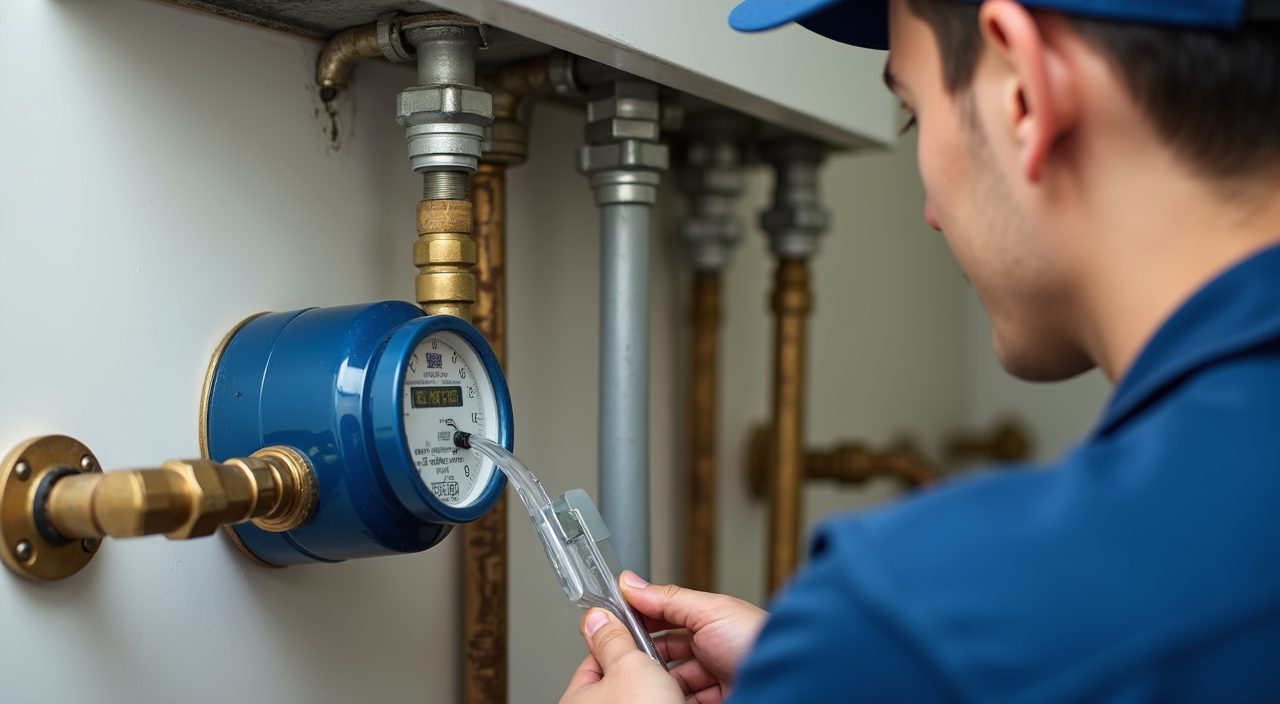
To read your PUB water meter, find the meter near your unit's main stopcock, read the black digits from left to right (these are cubic metres of water used), and note the red digits or dial that show fractions. To check for a hidden leak, turn off every tap and appliance, then watch the meter for 15 to 30 minutes; if the numbers or the small spinning dial keep moving, water is escaping somewhere.
In Singapore, your water bill from PUB is based on how much water passes through this meter, charged per cubic metre plus a Water Conservation Tax and a waterborne fee. A bill that suddenly doubles usually means one of three things: a genuine change in usage, a leak you cannot see, or an estimated reading. Knowing how to read the meter yourself lets you tell these apart in minutes instead of guessing.
Where is my water meter and what does it look like?
In most HDB flats the water meter sits inside a recessed cabinet or box near the kitchen, close to the main stopcock (the valve that shuts off water to the whole unit). In condos and landed homes it may be in a service duct, riser, or an outdoor meter chamber. The meter is a round or rectangular gauge with a row of digits and, on many models, a small red pointer or star-shaped dial that spins when water flows.
Older mechanical meters show black digits for whole cubic metres and red digits for the decimals. Newer PUB smart meters have a digital display and send readings automatically, so you may not need to read them manually at all.
- Black digits: whole cubic metres (m3) of water used, read left to right.
- Red digits or dials: tenths, hundredths and thousandths of a cubic metre.
- 1 cubic metre = 1,000 litres.
- Spinning dial or star wheel: moves whenever water is flowing, even a trickle.
How do I take a reading and work out my usage?
Write down the black digits shown on the meter today, then read it again after a set period, for example a week or a full billing month. Subtract the earlier reading from the later one and you have the cubic metres used in that window. Multiply by 1,000 to see it in litres if that feels more intuitive.
This is exactly what PUB does, except your bill may show an E next to the reading, meaning it was estimated rather than actually read. If your bill looks high and carries an estimated reading, submit your own actual reading through the PUB or OneService app so the next bill corrects itself.
- Step 1: Note the black digits (the m3 count).
- Step 2: Wait a fixed period, then read again.
- Step 3: Later reading minus earlier reading = m3 used.
- Step 4: Compare against past bills to judge if it is unusually high.
How do I use the meter to find a hidden leak?
The meter is the single best leak detector you own. Turn off all taps, the washing machine, dishwasher, and any water heater, and make sure no toilet is refilling. Then look at the small spinning dial or the last red digit. If it still creeps or spins with everything off, water is leaking somewhere on your side of the meter.
For a slower check, note the exact reading before you leave home for a few hours (or overnight) and read it again when you return, with nothing using water in between. Any change means a leak. The most common culprits are a running toilet cistern, a dripping tap, or a concealed pipe behind a wall or under the floor.
- All water off and dial still moving: active leak on your side.
- Toilet that hisses or refills on its own: usually a worn flush valve or float.
- Damp patches, musty smell, or warm floor spots: possible concealed pipe leak.
- Sudden bill jump with no lifestyle change: check the meter first, not last.
What actually drives a high water bill in Singapore?
A typical household in Singapore uses in the region of 120 to 160 litres per person per day, so a family of four often lands somewhere around 15 to 25 cubic metres a month, though this varies a lot with habits. If your usage is far above what your household size suggests, the extra water is going somewhere, whether down the drain through waste or out through a leak.
Remember that the charge is not just the water tariff. PUB adds a Water Conservation Tax as a percentage of water used and a waterborne fee for used-water treatment, and higher consumption pushes you into a higher tariff tier. That is why cutting even a modest amount of daily waste can shave a noticeable slice off the total bill.
- Leaking toilet: can quietly waste thousands of litres a month.
- Dripping taps: a steady drip adds up faster than it looks.
- Long showers and full-blast taps: easy wins to trim.
- Old, worn fittings: washers and seals degrade and start seeping.
What are the quickest ways to cut my water bill?
Start with the leaks, because a running toilet or hidden pipe can waste more than every efficiency habit combined. After that, focus on the fixtures and appliances that use the most water, and lean on the water-efficient labelling that PUB requires on taps, mixers, and cisterns sold here.
Small behavioural changes matter too, but they only stick if the underlying fittings are sound. Fixing a worn flush valve or a dripping mixer often pays for itself within a couple of billing cycles.
- Fix running toilets and dripping taps first; they are the biggest silent wasters.
- Choose fittings with a higher Water Efficiency Labelling Scheme (WELS) tick rating.
- Fit a dual-flush cistern or a flush regulator to cut per-flush volume.
- Turn off the tap while brushing teeth, soaping, or scrubbing dishes.
- Run the washing machine and dishwasher only on full loads.
- Check the meter monthly so a leak never runs for long before you catch it.
When should I call a plumber, and what can they do?
If the meter shows a leak with everything off but you cannot see a dripping tap or a running toilet, the leak is likely concealed in the walls, floor screed, or a pipe joint you cannot reach. That is the point to bring in a professional, because concealed leaks can damage your unit and your neighbour's below if left alone. In Singapore, work on your water pipes should be done by a licensed water service plumber for anything connected to the PUB supply.
When you arrange for plumbing help, a good contractor will pressure-test the pipes, use leak detection to pinpoint the source without tearing up the whole floor, and replace worn valves, seals, or sections of pipe. Getting the diagnosis right the first time is what stops a small drip from turning into a costly repair.
If you would rather not chase the leak yourself, our plumbing team can trace it, confirm it at the meter, and carry out the repair so your next bill reflects real usage again.
Frequently asked questions
How often should I read my water meter? Once a month is plenty for spotting trends, but do a quick leak check any time your bill looks higher than usual or after you notice damp patches. Reading it the day you get a bill also lets you confirm whether the bill was estimated.
My meter is spinning but every tap is off. What now? That almost always means an active leak on your side of the meter. Check the toilet cistern first (it is the most common cause), then taps and appliances; if nothing is obvious, the leak is likely concealed and worth having a plumber trace.
Can I submit my own meter reading to PUB? Yes. If your bill shows an estimated reading marked with an E, you can submit an actual reading through the PUB or OneService app so the amount is corrected on the next bill.
Does a small drip really cost much? Yes, more than most people expect. A steady drip runs day and night, and because PUB adds a conservation tax and waterborne fee on top of the water charge, even minor waste is charged at a rate that makes fixing it worthwhile.