
How to Repair a Leaky Pipe
A practical Singapore guide to repairing a leaky pipe: shut off the water, apply a temporary fix, and know when to call a licensed plumber.
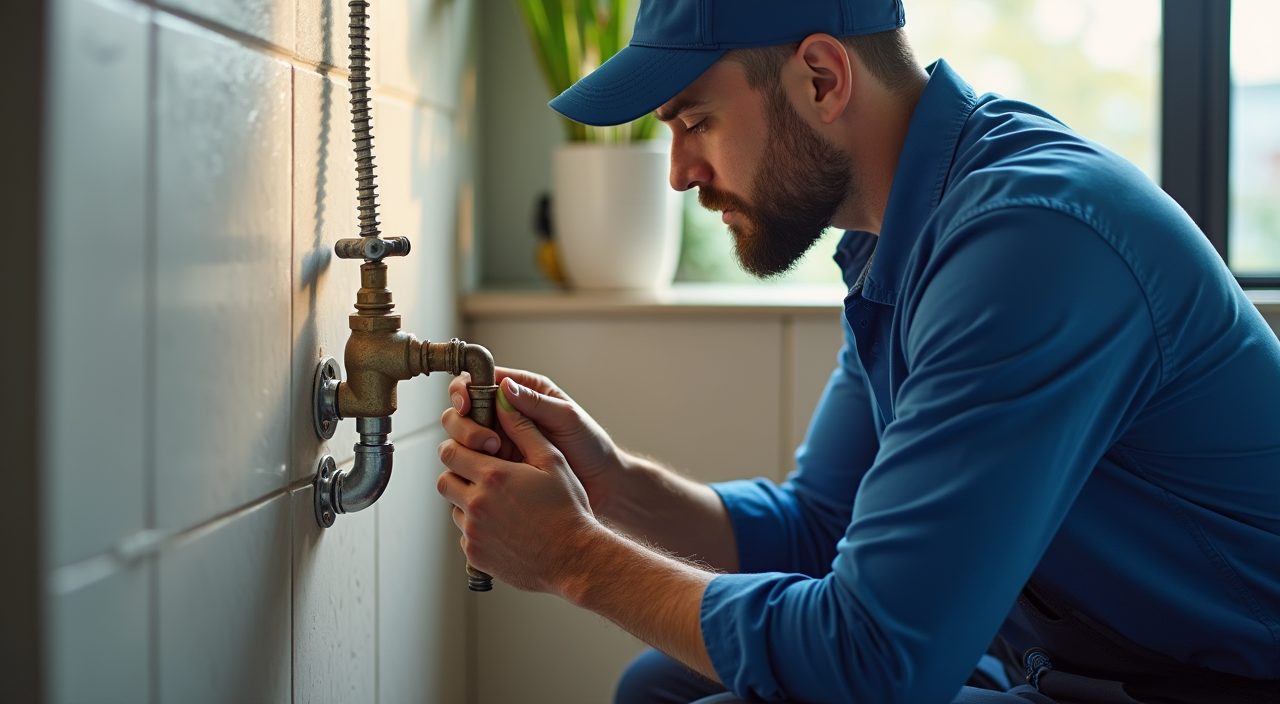
To repair a leaky pipe, first shut off the water supply, dry the area, then apply a temporary fix such as pipe repair tape, a rubber patch with a hose clamp, or epoxy putty. These stopgaps buy you time, but a lasting repair usually means replacing the damaged section or fitting, which is best done by a licensed plumber for anything behind walls, under floors, or on concealed piping.
In Singapore, most homes run on copper, PVC, or PPR pipes, and a small drip can quickly become a costly problem if water seeps into walls, ceilings, or a neighbour's unit below. Knowing what you can safely handle yourself, and where the line is, saves you money and avoids the kind of hidden damage that shows up as mould, peeling paint, or a nasty water bill weeks later.
How do I stop a leaking pipe immediately?
The first step is always to cut off the water flow so no more can escape. Find the main stopcock, which in HDB flats is usually near the water heater, in the kitchen, or in a service duct, and turn it clockwise to close it. If the leak is at a specific fixture like a tap or toilet, look for a smaller isolation valve on the supply line and close that instead.
Once the water is off, open a low tap to drain the remaining pressure in the line, then wipe the pipe completely dry. A dry surface is essential because tape, putty, and clamps will not bond properly to a wet or dripping pipe.
- Turn off the main stopcock or the local isolation valve
- Open a lower tap to relieve pressure and drain the line
- Dry the pipe thoroughly before applying any repair
- Place a bucket and towels to catch residual drips
What are the temporary DIY fixes for a leaky pipe?
For a small pinhole leak or a hairline crack, a few temporary fixes can hold until a proper repair. These are not permanent solutions, so treat them as a way to control the damage rather than a final fix.
Match the fix to the leak. Self-fusing silicone tape works well wrapped tightly around small leaks on straight sections. Epoxy putty is good for small holes and around joints once kneaded and pressed in. A rubber patch held by a stainless hose clamp or a purpose-made pipe repair clamp handles slightly larger splits on rigid pipe.
- Self-fusing silicone or pipe repair tape for pinhole leaks
- Two-part epoxy putty for small holes and around fittings
- Rubber patch plus a hose clamp for larger cracks on rigid pipe
- A proper pipe repair clamp for a firmer temporary seal
How do I fix a leaking pipe joint or fitting?
Many leaks happen at joints rather than along the pipe itself. For a threaded connection that weeps, you can often turn off the water, unscrew the fitting, clean off the old sealant, wrap the male threads with PTFE thread seal tape in the direction of tightening, then reassemble snugly. Do not overtighten, as that can crack the fitting.
Compression fittings sometimes stop leaking with a gentle quarter-turn of the nut. Soldered copper joints and glued PVC or PPR joints are different: a failed one usually needs to be cut out and remade, which calls for the right tools and some experience. If you are unsure what type of joint you have, it is safer to get it checked before you make it worse.
When should I call a licensed plumber in Singapore?
Call a professional when the leak is inside a wall, under a floor slab, above a ceiling, or on concealed piping, when water is affecting your electrical points, or when the drip keeps returning after a DIY attempt. Concealed and structural leaks can quietly damage your unit and the one below, and inter-floor leaks between HDB units often need proper investigation to trace the source.
Under PUB rules, work on the water service pipes and sanitary plumbing generally must be carried out by a PUB licensed water service plumber, so major pipe repairs are not truly a DIY job here. When you need a lasting repair rather than a stopgap, professional water leak repair in Singapore covers tracing the source, replacing the damaged section, and testing that the fix holds under pressure.
- Leaks behind walls, under floors, or above ceilings
- Water near electrical points or light fittings
- Inter-floor leaks affecting the unit below
- Leaks that keep coming back after a temporary fix
How much does it cost to repair a leaky pipe in Singapore?
Costs vary a lot with the type and location of the leak. A simple visible pipe or joint repair is at the lower end, while concealed leaks that require hacking into walls or floors, tracing, and reinstatement cost considerably more because of the labour and finishing involved.
As a rough guide, a straightforward plumber call-out and minor pipe repair often falls in the low hundreds of dollars, while concealed or inter-floor leak repairs can run higher depending on how much investigation and reinstatement is needed. Always ask for a clear quote after the plumber has assessed the actual leak rather than relying on a phone estimate.
How can I prevent pipe leaks in the future?
Regular attention goes a long way. Check under sinks, around the water heater, and behind the washing machine every few months for damp patches, corrosion, or greenish stains on copper, which signal early trouble.
Avoid over-tightening taps and hoses, replace worn flexible hoses on your washing machine and under-sink connections before they burst, and keep an eye on your water meter. If the meter creeps up while everything is switched off, you likely have a hidden leak worth investigating early.
Frequently asked questions
Can I permanently fix a leaky pipe with tape or epoxy? No. Tape, epoxy putty, and clamps are temporary measures that slow or stop a leak for a while. A permanent repair means replacing the damaged pipe section or fitting, which for most Singapore homes should be done by a licensed plumber.
Is a small pipe leak really urgent? Yes, it can be. Even a slow drip can soak into walls and slabs, cause mould, damage your neighbour's ceiling below, and push up your water bill. It is cheaper to deal with a small leak early than to repair water damage later.
Am I allowed to repair my own water pipes in Singapore? For minor visible fixes like a dripping tap washer you can often manage yourself, but work on water service and sanitary piping generally must be done by a PUB licensed water service plumber. For anything beyond a simple fix, use a licensed professional.
How do I know if the leak is inside my wall? Warning signs include damp or discoloured patches on walls or ceilings, peeling paint, a musty smell, or a water meter that keeps moving with all taps closed. Concealed leaks like these need a plumber to trace and repair properly.