
How to Replace a Toilet Seat
A simple Singapore homeowner's guide to replacing a toilet seat: how to measure, pick the right type, remove the old one, and fit the new seat.
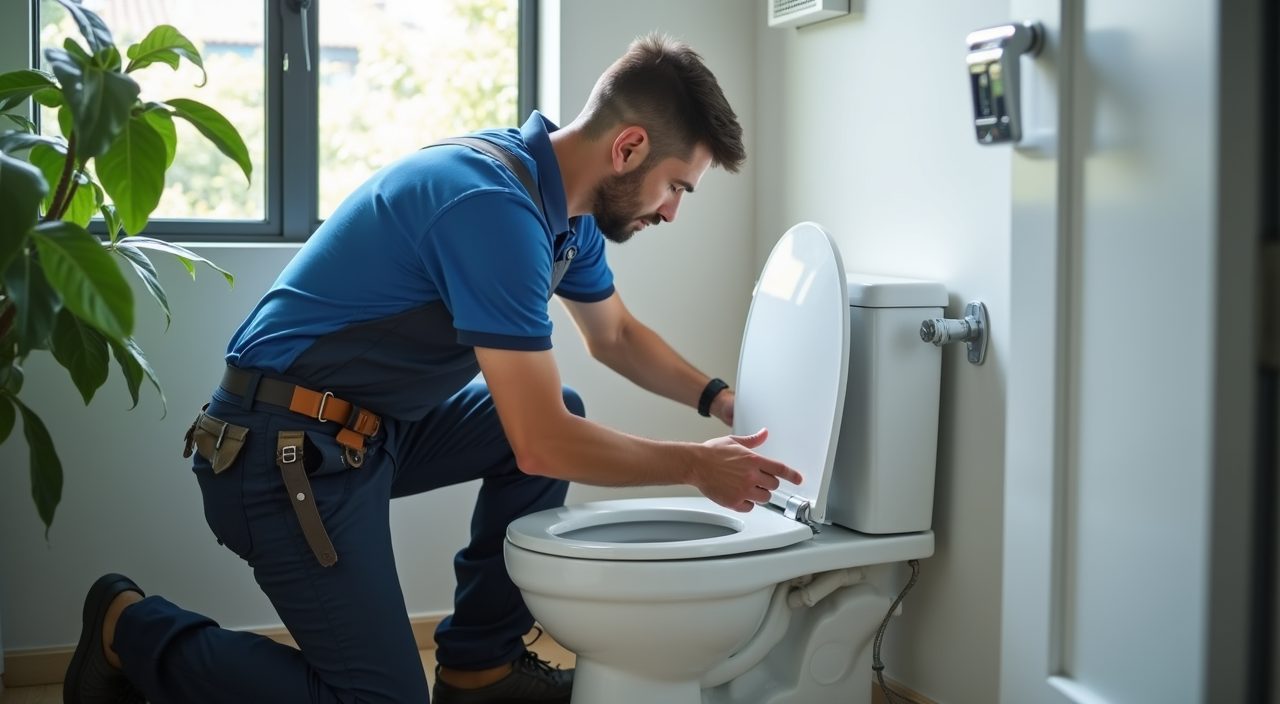
Replacing a toilet seat is one of the easiest home repairs, and most Singapore homeowners can do it in 15 to 30 minutes with basic tools. You unscrew the two bolts holding the old seat, lift it off, measure the bowl to confirm the shape and hinge spacing, then bolt the new seat into the same holes. The only real skill needed is buying a seat that matches your bowl.
Toilet seats wear out faster in our humid climate: hinges corrode, plastic yellows, and cracks appear at the bolt points. The good news is that a standard replacement seat costs roughly 15 to 60 dollars at hardware stores or online, and no plumber is strictly required for a straightforward swap. This guide walks through measuring, choosing, removing, and fitting so you get it right the first time.
How do I know if my toilet seat needs replacing?
Replace the seat when it wobbles even after tightening, when the plastic is cracked or badly stained, or when the hinges have rusted so the lid no longer sits straight. A wobbly seat that keeps loosening is usually a sign the mounting nuts underneath have worn or the plastic bolt holes have widened.
If the seat itself is fine but the crack or leak is in the ceramic bowl or the flush is faulty, that is a different repair. A cracked bowl or a running cistern needs a plumber, not just a new seat.
What tools and measurements do I need first?
Before buying anything, measure your existing bowl so the new seat fits. Getting the shape and bolt spacing right matters far more than brand.
You will typically need only a few things:
- An adjustable spanner or a screwdriver, depending on your bolt type
- A tape measure or ruler
- The three key measurements: bowl length (front tip to the middle of the two bolt holes), bowl width at the widest point, and the distance between the centres of the two mounting holes (usually around 140 to 155 mm)
- Optionally a pair of gloves and an old cloth for cleaning around the hinge area
Which type of toilet seat should I choose?
Toilet seats come in a few common shapes and materials, so match the shape to your bowl first, then pick the feel you want. In Singapore most HDB and condo bowls are elongated or D-shaped, but always confirm with your own measurements rather than assuming.
Common options include:
- Shape: round, elongated (oval), or D-shape. Buy the one that matches your bowl outline
- Material: PP plastic (cheapest and most common), urea (harder, more durable), or wood-look. Plastic handles our humidity well and is easy to clean
- Soft-close hinges: the lid lowers slowly instead of slamming. Popular and worth the small extra cost
- Quick-release hinges: the seat clips off for easy deep cleaning, which helps in a humid bathroom prone to grime
How do I remove the old toilet seat?
Start by locating the two bolts at the back of the seat where the hinges meet the bowl. Many have plastic caps you flip up or pop off to reveal the bolt heads.
Hold the nut underneath the bowl steady with one hand or a spanner, then turn the bolt from the top to loosen it. If the nuts are rusted solid, spray a little penetrating lubricant, wait a few minutes, and try again. In stubborn cases you may need to cut the bolt with a hacksaw blade, working carefully so you do not scratch the ceramic. Once both bolts are out, lift the seat straight up and clean the area.
How do I fit the new toilet seat?
Sit the new hinges over the two mounting holes and drop the bolts through. From underneath, thread on the washers and nuts by hand first so you do not cross-thread them.
Before fully tightening, adjust the seat so it is centred and square to the bowl, then tighten the nuts firmly with a spanner. Do not over-tighten, since excess force can crack the ceramic or the plastic hinge. Give the seat a gentle wobble test, snap any bolt caps back on, and lower the lid to check a soft-close mechanism moves smoothly.
When should you call a plumber instead?
A plain seat swap is a DIY job, but call a professional if the mounting bolts are seized and snap, if the bowl is cracked, if you find hidden leaks around the base, or if the whole toilet needs to be re-seated. Older bowls with unusual hinge fixings or concealed fittings can also be tricky to match.
If you would rather not deal with rusted bolts or an awkward fit, a Singapore plumbing specialist can handle toilet seat replacement along with wider toilet repair and installation work, often sorting a leaky cistern or a wobbly bowl in the same visit. It saves you a second trip to the hardware store when the parts do not match.
Frequently asked questions
How long does it take to replace a toilet seat? For a standard seat with accessible bolts, budget 15 to 30 minutes including measuring and cleaning. Seized or rusted bolts can add time if you need to soak or cut them.
Are all toilet seats the same size? No. Bowls differ in shape (round, elongated, D-shape) and in the distance between the two mounting holes, so always measure your bowl before buying rather than assuming a standard fit.
How much does a replacement toilet seat cost in Singapore? A basic plastic seat is often around 15 to 30 dollars, while soft-close or quick-release seats commonly run 30 to 60 dollars or more, depending on brand and material. Prices vary, so treat these as rough ranges.
Do I need a plumber to replace a toilet seat? Usually not. A simple swap is a common DIY task, but a plumber is worth calling if bolts are seized, the bowl is cracked, or the whole toilet needs re-seating.