
How to Unclog a Kitchen Sink
Learn how to unclog a kitchen sink at home in Singapore using boiling water, a plunger, baking soda and a bottle trap clean, plus when to call a plumber.
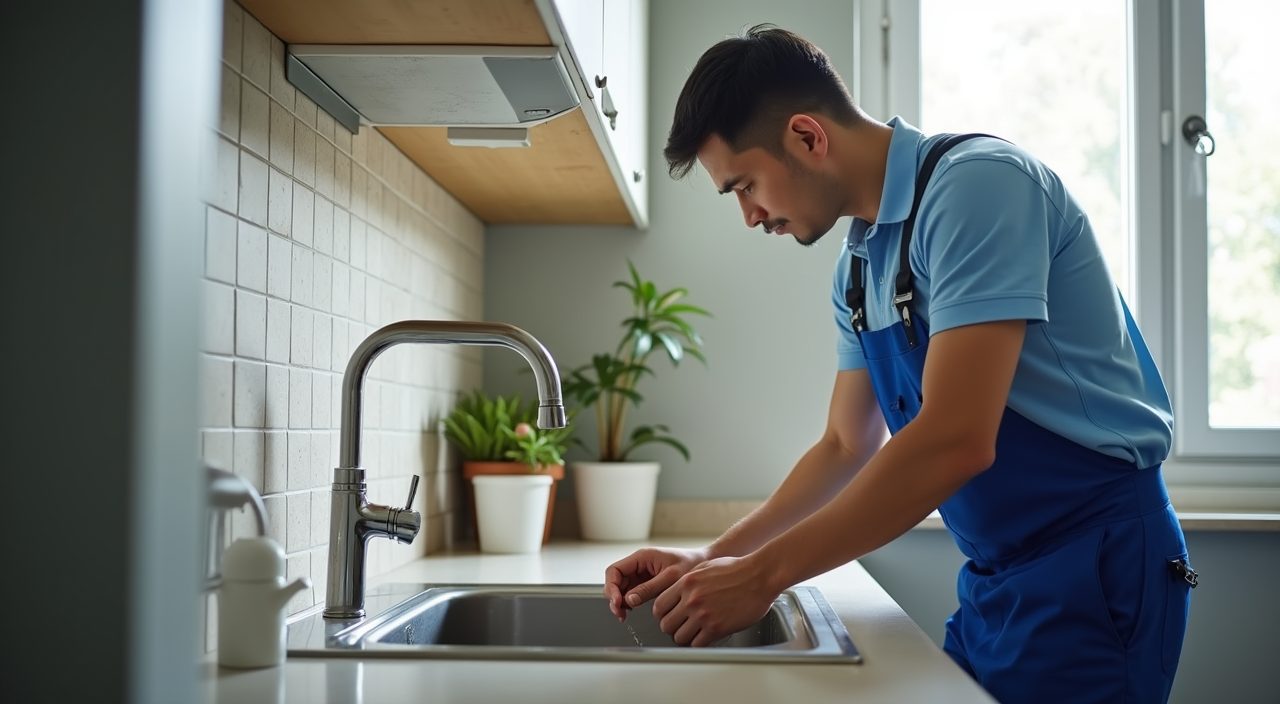
To unclog a kitchen sink, start by clearing standing water and pouring a kettle of very hot (not boiling on PVC pipes) water down the drain to loosen grease. If that fails, plunge the drain firmly for 20 to 30 seconds, then try a baking soda and vinegar mix followed by hot water. If the sink is still blocked, unscrew the bottle trap under the sink, clear the trapped gunk, and reassemble. Most Singapore kitchen sink clogs are caused by cooking oil, food scraps and soap scum, and can be cleared in under an hour without a plumber.
Kitchen sinks in HDB flats, condos and landed homes almost always block at the same spot: the U-shaped or bottle trap directly under the basin. Because Singapore cooking uses a lot of oil, the grease cools inside the pipe and hardens like candle wax, trapping rice, coffee grounds and other bits until water can no longer pass. The good news is that this section is designed to be opened and cleaned, so a slow or fully blocked sink is usually a job you can handle yourself before it becomes an emergency.
Why does a kitchen sink get clogged in the first place?
The main culprit is cooking oil and grease. When you rinse an oily wok or plate, the fat washes down warm, then cools and sticks to the inside of the pipe. Over weeks it builds up a layer that narrows the drain and catches food particles.
Common blockage causes in a Singapore kitchen include the items below. Knowing the cause helps you pick the right fix and stop it from happening again.
- Cooking oil, gravy and animal fat poured or rinsed down the sink
- Rice, noodles and starchy food that swells with water
- Coffee grounds, tea leaves and eggshells
- Soap scum and detergent residue combining with grease
- Small objects like bottle caps or bag ties falling into the drain
What should I try first to clear the blockage?
Start with the gentlest method. Bail out any standing water with a cup so you can work, then pour a kettle of very hot water slowly down the drain in two or three stages, pausing between pours. Hot water alone often melts a fresh grease clog. Note: use hot rather than fully boiling water if your pipes are PVC, since repeated boiling water can soften plastic joints over time.
If hot water does not work, add a natural cleaner. Tip about half a cup of baking soda into the drain, follow with half a cup of white vinegar, let it fizz for 10 to 15 minutes, then flush with hot water. This can break down grease and mild organic build-up without harsh chemicals.
How do I plunge a kitchen sink correctly?
A plunger creates pressure that pushes and pulls the blockage loose. Fill the sink with a few centimetres of water so the plunger cup is sealed, then place it flat over the drain hole.
Follow these steps for the best result. Plunging works well for solid clogs sitting just past the drain opening.
- If you have a double sink, block the second drain with a wet cloth so pressure is not lost
- Push down slowly to expel air, then pump firmly up and down 15 to 20 times
- Keep the cup sealed against the sink surface throughout
- Pull the plunger away sharply on the last stroke to yank the clog free
- Run hot water to check if the drain flows; repeat once or twice if needed
How do I clean the bottle trap or U-bend under the sink?
If plunging fails, the clog is almost certainly stuck in the trap, the curved pipe or round bottle-shaped fitting under the sink. This is the most effective DIY fix because you are removing the blockage by hand.
Place a bucket or basin under the trap to catch water, then unscrew the connectors by hand or with a pipe wrench. Empty out the trapped grease and food, rinse the parts, and check for a hidden object. Reassemble firmly, then run water and watch for leaks at the joints. If water drips, hand-tighten a little more or reseat the rubber washers.
Should I use chemical drain cleaners?
Use them sparingly and as a last resort before calling a professional. Strong chemical drain cleaners can clear grease, but they also give off fumes, can damage older or plastic pipes, and are dangerous if they sit in a sink you later try to plunge or open by hand.
If you do use one, follow the label exactly, never mix different products, wear gloves, keep the kitchen ventilated, and never use a plunger afterwards, since splashback of the chemical can burn your skin or eyes. For repeated clogs, a mechanical fix or a plumber is safer and more permanent than pouring in more chemicals.
When should I call a plumber?
Call a professional if the sink is still blocked after hot water, plunging and cleaning the trap, if several drains in the home back up at once, or if you notice gurgling, bad smells or water rising in another fixture when you use the sink. These signs point to a blockage deeper in the pipe than you can reach, which needs proper tools like a motorised drain snake or hydro jet.
A licensed plumber can also fix the root cause, such as a partly collapsed pipe, poor drain fall, or years of hardened grease in the main line. If your kitchen is flooding or the water simply will not drain and you cannot cook or wash up, this is where booking an emergency plumber in Singapore makes sense, so the problem is cleared quickly before it damages your cabinets or floor.
How do I stop my kitchen sink from clogging again?
Prevention is far easier than clearing a blockage. Small daily habits keep grease and food out of the pipe and save you from repeat call-outs.
Build these habits into your kitchen routine and the drain should stay clear for a long time.
- Never pour cooking oil or gravy down the sink; collect it in a container and bin it
- Use a sink strainer to catch rice, food scraps and coffee grounds
- Scrape plates and wipe oily pans with a paper towel before washing
- Flush the drain with hot water once a week to keep grease moving
- Do a monthly baking soda and vinegar treatment as light maintenance
Frequently asked questions
Can I pour boiling water down a kitchen sink to unclog it? Very hot water is one of the best first steps because it melts grease, but if your pipes are PVC, use hot rather than fiercely boiling water and pour it slowly, since repeated boiling water can weaken plastic joints over time. Metal pipes tolerate boiling water better.
How long does it take to unclog a kitchen sink? A simple grease or food clog usually clears in 15 to 45 minutes using hot water, a plunger or a trap clean. If it takes longer than an hour or keeps coming back, the blockage is likely deeper in the pipe and needs a plumber.
Is baking soda and vinegar actually effective? Yes for mild, fresh clogs and general maintenance, since the fizzing reaction and hot water flush help break down grease and organic build-up. It is less effective on a fully hardened or solid blockage, where plunging or cleaning the trap works better.
Why does my sink gurgle or smell after it drains? Gurgling and odour usually mean a partial blockage or trapped air further down the pipe, or a dried-out trap letting sewer gas up. If a good clean and hot water flush does not fix it, or if more than one drain is affected, have a plumber inspect the line.