
How to Unclog a Toilet Bowl (and When to Call a Plumber)
A Singapore homeowner's guide to unclogging a toilet bowl safely with a plunger, hot water or a snake, plus the warning signs that mean you should call a plumber.
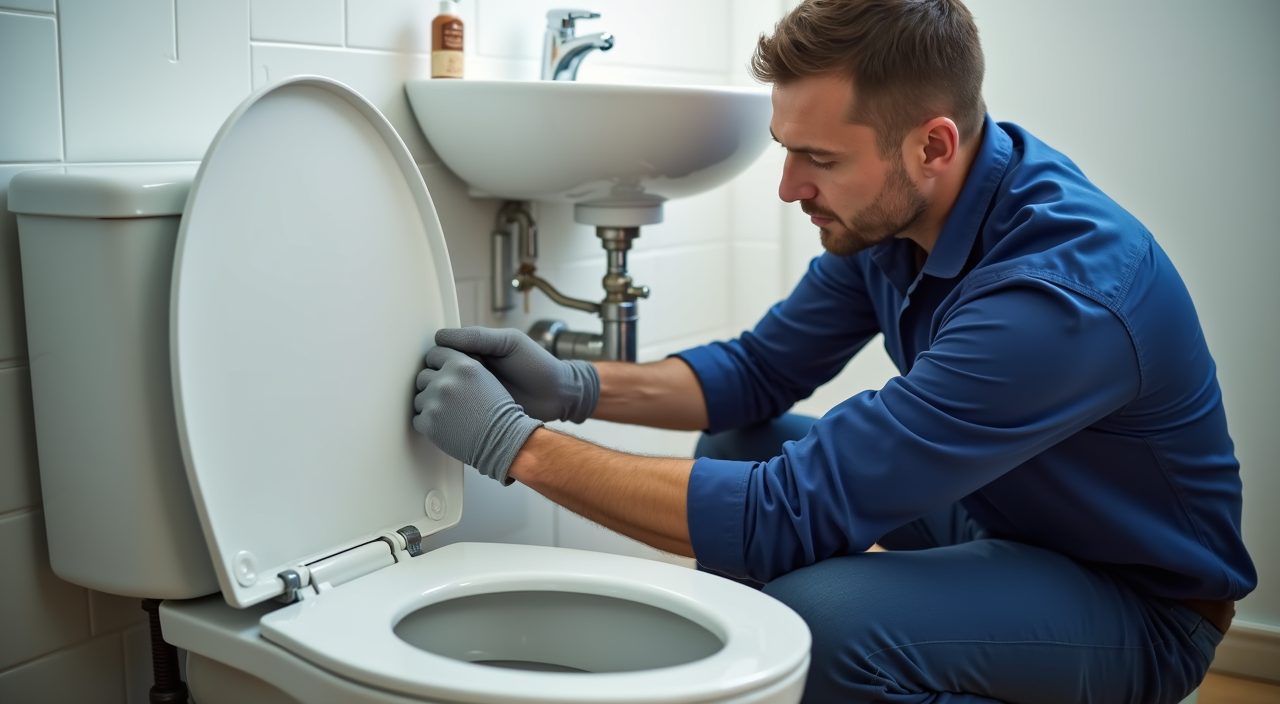
For most toilet clogs, a flange plunger fixes the problem: cover the drain hole fully, push and pull with firm strokes for about 20 seconds, then flush to check. If the plunger fails, hot (not boiling) water with a little dish soap, or a toilet auger, usually clears the rest. Call a plumber when water backs up into other drains, the clog keeps returning, or the blockage sits deep in the shared pipe.
In an HDB flat or condo, the pipe inside your unit is your responsibility, but the shared stack that runs between floors is managed by the town council or the MCST. Knowing which side of that line the problem falls on saves you money and tells you when a DIY fix is safe to attempt versus when a licensed plumber is the right call.
Why do toilet bowls get clogged in the first place?
Most clogs come from too much material going down at once or things that should never be flushed. A toilet is designed for waste and toilet paper only, so anything bulkier tends to lodge in the S-trap, the curved section just past the bowl.
Common culprits in Singapore homes include wet wipes labelled flushable (they are not), sanitary products, cotton buds, excess toilet paper, and grease or food scraps rinsed down the bowl.
- Wet wipes and baby wipes, even the flushable kind
- Sanitary pads, tampons and their wrappers
- Cotton buds, dental floss and hair
- Thick clumps of toilet paper or tissue
- Grease, oil and food waste rinsed into the bowl
How do I unclog a toilet with a plunger?
A flange plunger, the type with an extra rubber flap that folds out, seals a toilet drain far better than the flat cup type used for sinks. Get one before you need it, since most blockages happen at the worst time.
Work through these steps and give the plunger a fair chance before moving on to another method.
- Put on rubber gloves and lay old towels around the base to catch splashes.
- Check the water level; it should cover the plunger head. Add water from a pail if the bowl is low, or bail some out if it is near overflowing.
- Insert the plunger at an angle so water fills the cup, then seat it firmly over the drain hole.
- Push down and pull up with steady force for around 20 seconds without breaking the seal.
- Flush once. If it drains, flush again to confirm. If not, repeat a few cycles before trying something else.
What household methods work without a plunger?
If you have no plunger, hot water and dish soap is the gentlest first move. Squirt a generous amount of dish soap into the bowl, then pour in a few litres of hot water from about waist height. Let it sit for 10 to 15 minutes so the soap can loosen the blockage, then try a flush.
Keep the water hot but not boiling. Boiling water can crack a porcelain bowl or damage the wax seal at the base. A baking soda and vinegar mix (about one cup of each, left for 20 to 30 minutes) can also help with softer, organic clogs, though it is milder than a plunger.
When should I use a toilet auger or snake?
A toilet auger, sometimes called a closet auger, is a flexible cable with a crank handle that reaches past the S-trap to break up or hook out a stubborn clog. It is the right tool when a plunger and hot water both fail but water still drains slowly.
Feed the cable in gently, crank when you feel resistance, then pull back to retrieve or clear the blockage. Avoid pushing hard metal wire or coat hangers down the bowl, since they can scratch the glaze or crack the porcelain.
Should I use chemical drain cleaners in a toilet?
It is best to avoid strong chemical drain cleaners in a toilet bowl. They are formulated for sinks and can sit on top of a solid clog without dissolving it, while the harsh chemicals corrode pipe seals and give off fumes in a small bathroom.
If a clog has already resisted a plunger, hot water and an auger, adding chemicals rarely helps and can make the next repair messier and more hazardous for whoever opens the pipe. Mechanical clearing is safer and more reliable.
When should I stop and call a plumber?
Some signs point to a blockage deeper than your bowl, often in the shared waste stack, where DIY tools cannot reach. In those cases a licensed plumber with a drain camera or a powered machine is the safe choice, and for an overflowing or backed-up toilet you can arrange emergency plumbing help in Singapore rather than let sewage spread.
Stop and call a professional if you notice any of the following, especially when more than one bathroom or fixture is affected.
- Water or sewage backs up into the shower, floor trap or sink when you flush.
- Several toilets or drains in the home are slow or blocked at the same time.
- The same toilet clogs again within days despite clearing it.
- You hear gurgling from other drains, or smell persistent sewage.
- There is a risk of overflow onto the floor, which can seep to the unit below.
Who is responsible for the pipes in an HDB flat or condo?
Inside your unit, the toilet, its trap and the branch pipe up to the main stack are your responsibility to maintain and repair. This is where DIY plunging and simple fixes are appropriate.
The vertical shared stack that carries waste between floors is common property, managed by the town council for HDB blocks or the MCST for condos. If the blockage is in that shared line, or if a neighbour's unit is also affected, report it to them rather than paying for a private fix that only addresses your side.
Frequently asked questions
Can I pour boiling water down a clogged toilet? No, use hot water instead. Water at boiling point can crack the porcelain bowl or damage the seal at the base, so aim for hot tap water or water that has cooled slightly off the boil.
Are flushable wipes safe for Singapore toilets? Not really. Despite the label, most so-called flushable wipes do not break down like toilet paper and are a leading cause of clogs in the trap and shared stack. Bin them instead.
How much does a plumber charge to clear a blocked toilet in Singapore? It varies with severity and time of day, but a straightforward clearance is often in the low hundreds, while jobs needing a drain camera, powered machine or after-hours callout cost more. Ask for a quote before work starts.
Will a plunger always work on a toilet clog? Not always. A plunger clears most soft blockages near the trap, but it cannot shift a hard object, a deep clog in the shared pipe, or a blockage caused by structural pipe issues, which need a plumber.