
Instant vs Storage Water Heater: Which One Actually Suits Your Singapore Bathroom?
Instant vs storage water heater for a Singapore bathroom: how they differ on hot water flow, space, cost and safety, and which suits your home.
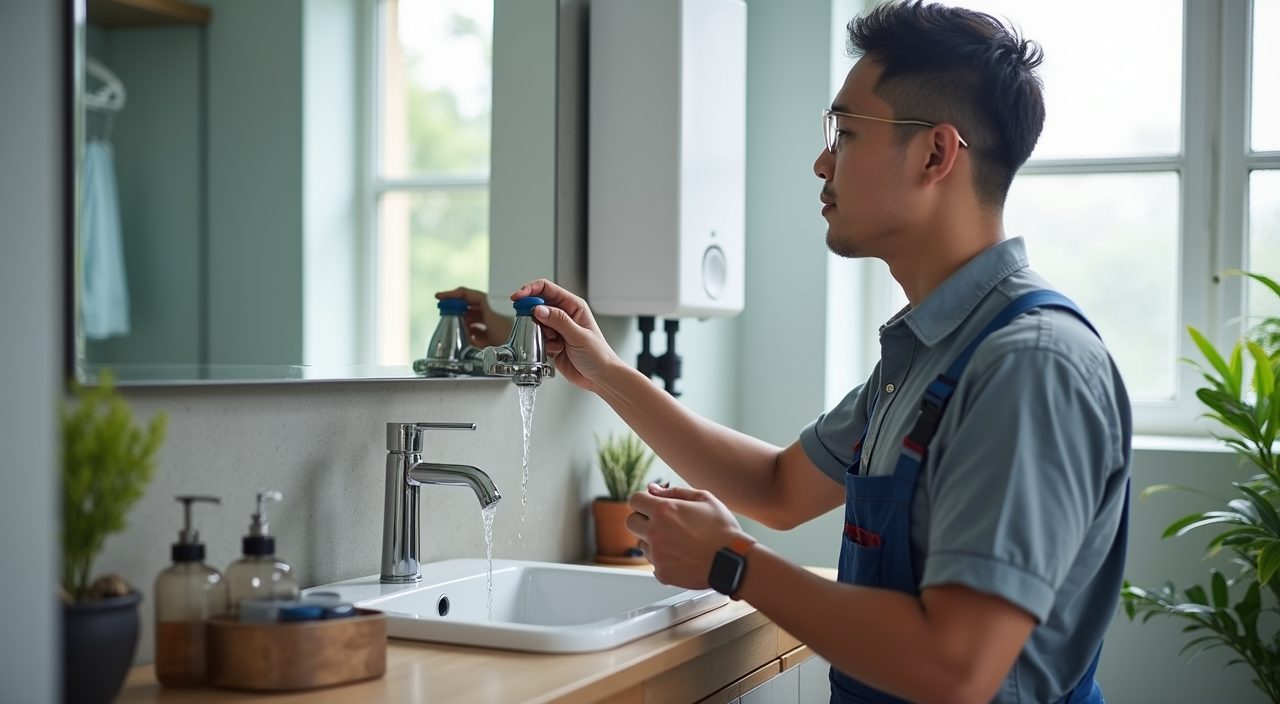
An instant water heater heats water on demand as it passes through the unit, so you get endless hot water at a lower flow rate and it takes up almost no space. A storage water heater keeps a tank of water hot and ready, so it delivers a stronger, more stable flow but runs out after the tank empties and needs time to reheat. For most Singapore HDB and condo bathrooms, an instant heater suits a single shower point, while a storage heater suits homes with a rain shower, bathtub, or two outlets used at once.
The right pick depends less on brand and more on how your bathroom is used: how many people shower back to back, whether you want strong pressure for a rain shower, and how much wall or ceiling space you have. This guide breaks down the real trade-offs for a Singapore home, with honest ranges rather than fixed prices, since actual cost depends on the model, the wiring, and the plumbing at your unit.
What is the difference between an instant and a storage water heater?
An instant (tankless) heater switches on when you open the hot tap and heats the water flowing through it in real time. Because it heats on the fly, the volume of hot water is effectively unlimited, but the flow rate is capped by how fast the element can heat the water, especially in Singapore where incoming tap water is warm but the unit still limits litres per minute.
A storage heater holds water in an insulated tank, commonly 15 to 30 litres for a bathroom and up to 40 to 100 litres for whole-home units. The tank stays hot and ready, so it gives a fuller, more consistent flow that works well with rain showers and bathtubs. The catch is that once the tank is drained, you wait for it to reheat, which can take several minutes to over half an hour depending on tank size.
- Instant: heats on demand, unlimited duration, lower flow, compact, no reheat wait.
- Storage: heats a tank in advance, strong stable flow, finite hot water, needs reheat time.
- Instant suits single-point showers; storage suits multi-point or high-flow setups.
Which one gives better water pressure and flow?
Storage heaters generally give stronger, steadier flow because the hot water is already heated and simply pushed out by your incoming mains or pump pressure. This is why homes with a rain shower head, a hand shower and rain shower running together, or a bathtub usually go with storage. An instant heater has to slow the flow enough to raise the temperature, so the stream can feel gentler, particularly if two taps draw at once.
Many Singapore instant heaters are sold as multi-point or with a built-in pump to boost pressure, which narrows the gap for a normal shower. If you specifically want that drenching rain-shower feel, tell your installer the shower head type and whether you want to run two outlets at the same time, since that single detail often decides instant versus storage.
Which heater suits an HDB flat versus a condo or landed home?
For a typical HDB flat with one bathroom and a single shower point, an instant heater is often the simpler choice: it is compact, cheaper to buy, and only heats water when you need it. Many HDB bathrooms already have a dedicated water heater power point and isolator, which suits instant units well.
Condos and landed homes with rain showers, bathtubs, or bathrooms shared by several people back to back tend to favour storage, sometimes a larger tank sited in a service yard or ceiling space. Landed homes with multiple bathrooms may even use a central storage system. The deciding factors are the number of outlets, peak simultaneous use, and how much space you can spare for a tank.
- One bathroom, one shower point, tight space: instant usually fits best.
- Rain shower, bathtub, or two outlets at once: storage is the safer pick.
- Several people showering back to back: storage avoids the cold-water gap.
- No spare wall or ceiling space for a tank: instant wins by default.
How do running costs and lifespan compare?
Instant heaters only draw power while you are actually running hot water, so there is no standby heat loss, which can make them slightly cheaper to run for light, single-point use. Storage heaters reheat and hold the tank at temperature, so a poorly insulated or oversized tank left on all day wastes energy; using a timer or switching it on before showers helps a lot.
On lifespan, both types typically last around 8 to 12 years with normal use, but this varies with water quality, usage, and maintenance. Storage tanks can suffer internal corrosion over time and the heating element or magnesium anode may need attention, while instant units have fewer parts to fail but can be sensitive to scale and electrical faults. Neither is dramatically more durable; installation quality and servicing matter more than the category.
Is an instant water heater safe, and what about electrical requirements?
Both types are safe when installed correctly, but instant heaters draw a high current in short bursts because they heat water very quickly, so the electrical supply matters. A proper instant heater installation in Singapore should be on a suitably rated circuit with a residual current device (RCD or ELCB) for shock protection, correct cable sizing, and secure earthing. Do not simply reuse an old point without checking it can handle the new unit's rated power.
Storage heaters draw a lower current over a longer period, so the wiring demand per moment is gentler, but the tank still needs a dedicated circuit, an RCD, and safe mounting since a full tank is heavy. Whichever you choose, the safest path is to have the swap done by a licensed professional who checks the isolator, earthing, and mounting rather than treating it as a plug-and-play replacement.
How should you get a water heater installed in Singapore?
Getting a water heater installed is not just hanging a box on the wall. It involves electrical work, waterproofing at the connections, correct mounting, and testing for leaks and safe earthing, which is why it pays to have licensed plumbing and electrical help rather than a DIY swap. Reusing an undersized cable or a tired isolator with a powerful new instant heater is a common and avoidable hazard.
When you book professional water heater installation, share your bathroom layout, shower head type, how many people use it back to back, and whether you already have a water heater point. A good installer will advise instant versus storage based on your actual usage and space, size the unit and tank correctly, check the RCD and earthing, and pressure-test the connections before handover so you are not chasing leaks later.
Frequently asked questions
Can an instant water heater run a rain shower in Singapore? It can, but flow may feel softer than with storage because the unit limits litres per minute to heat the water. If you want a strong rain-shower stream or plan to run two outlets together, choose a higher-flow multi-point or pump-assisted instant model, or go with storage; tell your installer your shower head type so they size it right.
How big a storage tank do I need for a Singapore bathroom? For one bathroom used by a couple, a 15 to 30 litre tank is a common range; larger families, bathtubs, or back-to-back showers may want a bigger tank or a whole-home unit. The right size depends on peak simultaneous use, so it is best confirmed by an installer who sees your layout.
Does an instant heater save money on electricity? For light, single-point use it can, because it only heats water on demand with no standby tank loss. A storage heater left on all day wastes more energy, but running it on a timer narrows the difference; overall savings depend on how often and how long you shower.
Do I need a professional to install a water heater in Singapore? Yes, this is strongly recommended. Water heaters combine high-current electrical work with plumbing connections, so a licensed installer should check the circuit rating, RCD or ELCB, earthing, and mounting, then pressure-test for leaks before handover to keep the installation safe and compliant.