
Kitchen Sink Installation in Singapore: Undermount vs Top-Mount, Traps and Plumbing Basics
A Singapore homeowner's guide to kitchen sink installation: undermount vs top-mount, P-traps, bottle traps, waste pipes and what a plumber actually does.
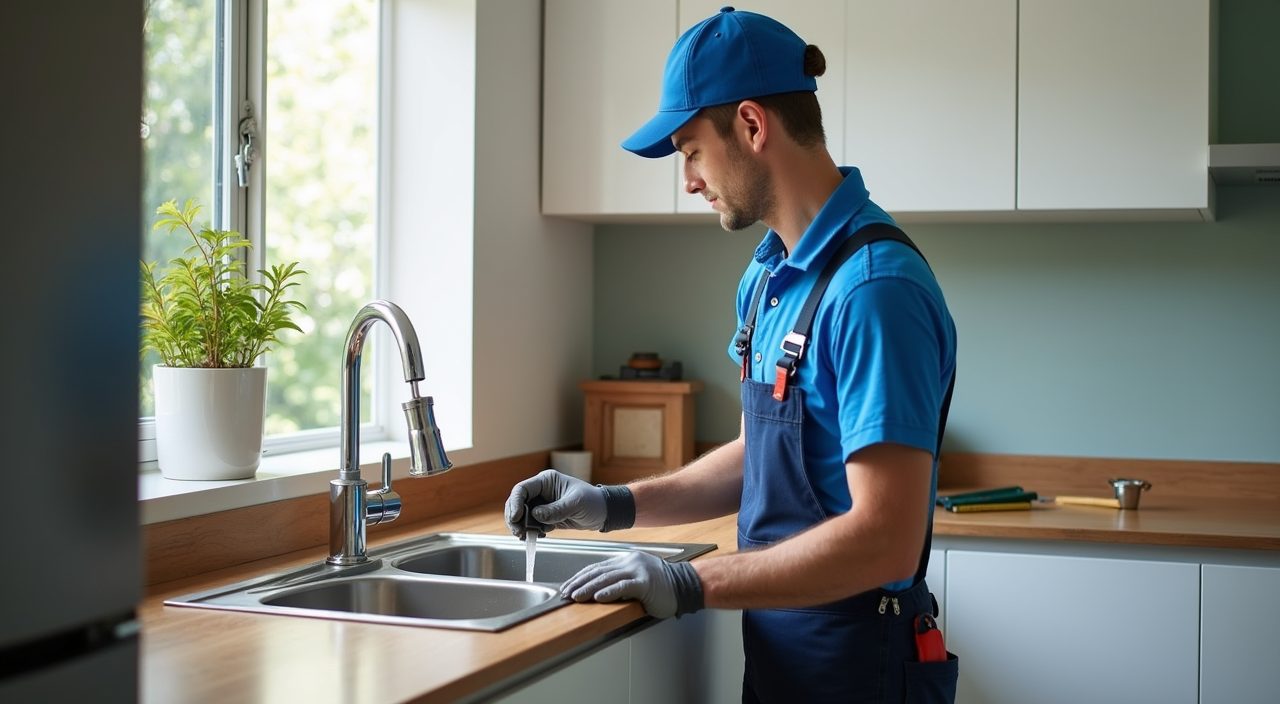
Kitchen sink installation in Singapore involves choosing a sink type, cutting or fitting it to the countertop, connecting the waste outlet to a trap, and joining that trap to the existing waste pipe under the counter. A top-mount sink drops into a cut hole and rests on the counter, which suits most laminate and quartz worktops. An undermount sink is glued and clamped beneath a solid-surface or stone counter for a seamless look, and it usually needs a fabricator, not just a plumber.
The right choice depends on your countertop material, your budget, and whether you value a clean edge or easy replacement later. Traps matter just as much as the sink itself, because a badly connected trap causes leaks under the cabinet and lets drain smell into the kitchen. This guide covers the sink options, the trap types you will see in HDB and condo kitchens, and the basic plumbing steps so you know what a good job looks like.
What is the difference between an undermount and a top-mount kitchen sink?
A top-mount sink (also called drop-in or overmount) has a visible rim that sits on top of the counter and hides the cut edge. It is the most common choice in Singapore because it works with laminate, quartz, sintered stone, and even tiled counters, and it is quicker and cheaper to fit. The downside is the rim, which traps crumbs and needs wiping, and silicone around the rim that can discolour over time.
An undermount sink is fixed under the counter so the worktop edge is exposed and finished. You wipe crumbs straight into the bowl with nothing in the way, which is why it is popular on quartz and solid-surface islands. It costs more, needs a stone fabricator to cut and polish the opening, and relies on strong adhesive plus support clips, so it is not a job for laminate or chipboard tops that can swell if water gets in.
- Top-mount: cheaper, faster, works on almost any counter, visible rim.
- Undermount: pricier, seamless wipe-down, needs solid or stone counter and a fabricator.
- Both need the same trap and waste connection underneath.
- On laminate or moisture-prone tops, stick with top-mount.
What is a trap and why does every kitchen sink need one?
A trap is the curved or bottle-shaped fitting directly under the sink waste. It holds a small plug of water at all times, and that water seal is what stops foul drain gas and cockroaches from coming up into your kitchen. Every sink, basin, and floor drain in Singapore is meant to have a working trap for exactly this reason.
In kitchens you will usually see one of two types. A P-trap is the classic U-bend that turns into the wall or the waste pipe, common where the drain exits horizontally. A bottle trap is a compact cylinder often used under sinks with tight cabinet space, and it unscrews at the base for easy cleaning. Both do the same job; the choice depends on the space and where your waste pipe comes out.
- P-trap: U-shaped, connects to a wall or horizontal waste outlet, robust and standard.
- Bottle trap: cylindrical, space-saving, easy to open and clear, common in modern cabinets.
- Never remove a trap to fix a smell; a missing water seal is usually the cause of the smell.
- A double-bowl sink may share one trap or use two, depending on the layout.
What does the plumbing connection under the sink actually involve?
Under a kitchen sink you have three connection points: the water supply, the waste outlet, and the trap into the waste pipe. The supply side brings cold and, if you have a heater or mixer, hot water through flexible hoses to the tap. The waste side runs from the sink strainer or basket, through the trap, and into the existing waste stub that your original kitchen was built with.
Getting a clean, leak-free result is about correct falls and proper seals. The waste pipe needs a slight downward slope so water drains fully instead of pooling. Rubber washers, thread tape, and the right compression or push-fit fittings do the sealing, not force. A good plumber will also fit a fresh strainer and check that the dishwasher or washing machine drain, if any, ties in above the trap so the water seal is preserved.
- Water supply: flexible hoses to the tap, with isolation valves so you can shut off without turning off the whole flat.
- Waste: strainer to trap to waste pipe, with a slight fall for full drainage.
- Appliance drains (dishwasher) connect above the trap, never below it.
- Seals come from washers and tape, not from overtightening.
Can I install a kitchen sink myself or should I hire a plumber?
Swapping a like-for-like top-mount sink and tap is within reach of a confident DIYer if the hole size matches and you are comfortable working with hoses and traps. The risks are a leak you do not notice until the cabinet base swells, or a trap left loose that lets smell in. Test thoroughly by filling and draining the sink, then check every joint with a dry tissue.
Anything involving a new countertop cut, an undermount sink, moving the waste position, or new water points is best left to a professional. If you want it done right, our team handles kitchen sink and tap installation as part of our plumbing services, including trap connections, waste-pipe alignment, and a proper leak test before we leave. That matters most in HDB and condo kitchens where a hidden leak can reach a neighbour below and turn into a bigger dispute.
- DIY-friendly: like-for-like top-mount swap with a matching hole.
- Call a pro: undermount fitting, counter cutting, moving the waste or water points.
- Always leak-test by filling the bowl fully, then draining, then wiping every joint.
- In multi-storey blocks, a slow hidden leak can affect the unit below, so err on the side of caution.
How much does kitchen sink installation cost in Singapore?
Prices vary by scope, so treat any figure as a guide and get a quote for your kitchen. A straightforward top-mount sink and tap swap by a plumber is usually a modest labour charge on top of the sink and tap you supply. Undermount work costs more because it typically involves a stone fabricator to cut and polish the counter, plus adhesive and clamping time.
Extra costs stack up when the job goes beyond a simple swap: relocating the waste pipe, adding a new water point for a filter or instant heater, replacing a corroded trap, or dealing with a countertop that needs a fresh cutout. Ask for an itemised quote that separates labour, materials, and any fabricator fees so you can compare fairly.
- Simple top-mount swap: lower labour cost, you often supply the sink and tap.
- Undermount: higher, because a fabricator and adhesive work are involved.
- Add-ons that raise the price: moving the waste, new water points, new counter cutout, trap replacement.
- Always request an itemised quote before work starts.
Frequently asked questions
Do I need a licensed plumber to install a kitchen sink in Singapore? For sink and waste work alone you do not strictly need a PUB-licensed plumber, but any work touching the potable water supply, such as new pipework or connections to the mains, should be done by a PUB-licensed water service plumber to stay compliant. Using an experienced plumber for the whole job also protects you against hidden leaks.
Why does my new sink smell even though it is clean? The usual cause is a trap that has lost its water seal, either because it was fitted wrong, has a slow leak, or the sink was unused long enough for the water to evaporate. Run water to refill the trap; if the smell returns, have the trap and its seals checked rather than removed.
Can I fit an undermount sink to a laminate or HDB standard countertop? Generally no. Undermount sinks need a solid, waterproof edge like quartz, sintered stone, or granite, because the cut edge is exposed to water. Laminate or chipboard tops can absorb moisture and swell, so a top-mount sink is the safer choice there.
Do double-bowl sinks need two traps? Not necessarily. Many double-bowl kitchen sinks in Singapore use a single trap with a shared waste connection joining both bowls, which is fine as long as the fall and pipe sizing are correct. Two traps are used mainly when the bowls are far apart or an appliance ties into one side.