
Licensed vs Unlicensed Plumber: Does It Matter in SG?
In Singapore, a Licensed Plumber is legally required for work on the public water supply. Here is when it matters and how to check.
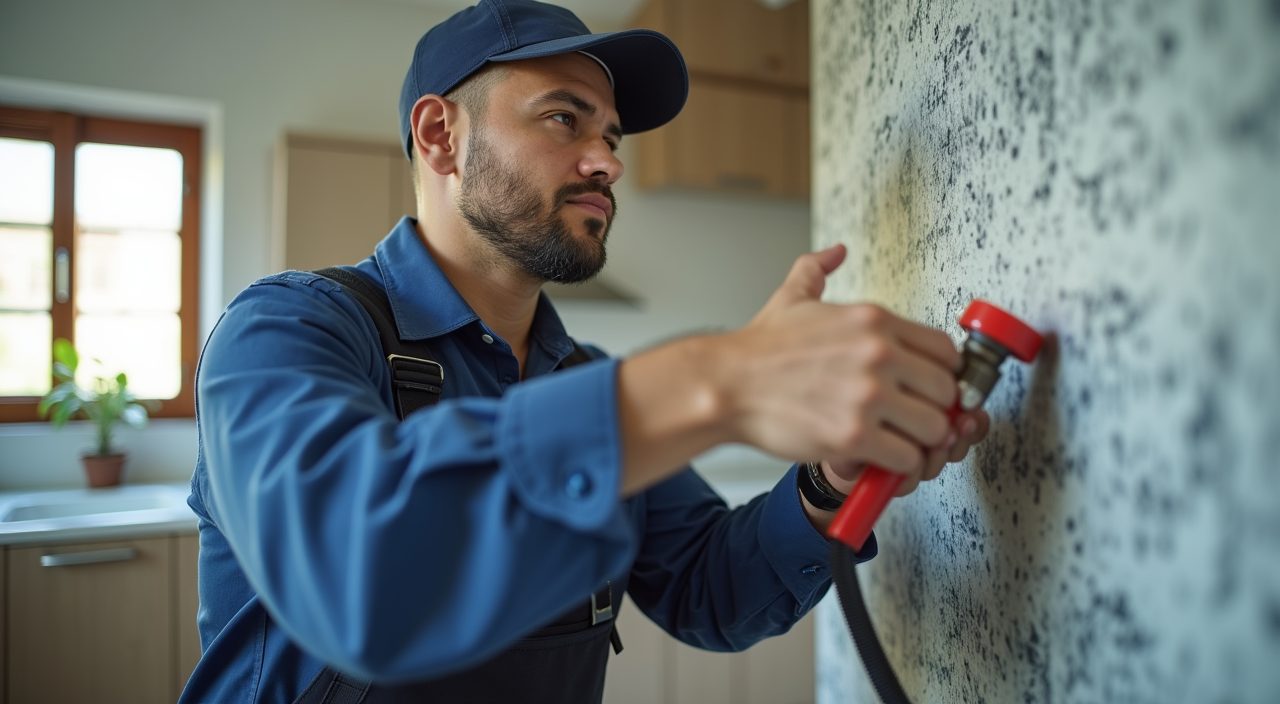
Yes, it matters in Singapore, and for certain work it is the law. PUB requires a Licensed Plumber for any work that connects to the potable water supply, such as installing or altering water pipes, replacing a water heater connection, or moving a tap point. For general repairs that do not touch the public water system, a competent handyman may be enough, but the line is easy to cross.
The confusion happens because many jobs look small. Swapping a tap or fixing a leaking trap feels like a five minute task. The problem is that some of these tasks are regulated, and if the wrong person touches the wrong pipe, you can be left with a failed connection, a flooded flat, or a job that PUB will not recognise.
What is a PUB Licensed Plumber?
A Licensed Plumber in Singapore is a person registered with PUB under the Public Utilities Act. They are trained and assessed to carry out and certify work on the potable water supply system, and only they can submit certain notifications and applications to PUB.
This is different from a general plumber or handyman. Many skilled tradespeople in Singapore are not PUB licensed. They can still do useful work, but they are not authorised to sign off on regulated water supply tasks.
- Registered with PUB and issued a licence number
- Allowed to work on and certify potable water supply connections
- Required to lodge certain works and applications with PUB
- Held accountable if the work fails an inspection
Which plumbing jobs legally need a licensed plumber?
Work that connects to or alters the public water supply generally needs a Licensed Plumber. This covers new water pipe installation, relocating pipes or taps, water heater supply connections, and any change to the incoming water service.
Work that stays inside your own fittings and does not touch the potable supply is usually lower risk. That said, if you are unsure, treat the job as regulated and ask a licensed professional first.
- Needs a licensed plumber: new or relocated water piping, water heater connections, altering the incoming supply
- Usually does not: clearing a blocked floor trap, replacing a tap washer, unclogging a sink
- Grey area, ask first: replacing a whole tap or mixer, moving a washing machine point
What are the risks of using an unlicensed plumber?
The biggest risk is water damage. A badly made connection can leak slowly behind a wall or fail suddenly and flood your flat and the unit below, which turns a cheap job into an expensive dispute with your neighbour and possibly your insurer.
There is also a compliance risk. If regulated work is done without a Licensed Plumber, PUB may not accept it, and you can be asked to redo the work properly. In HDB and condo settings, management may also require proof that water works were done correctly.
How do I check if a plumber is really licensed?
Ask for the PUB Licensed Plumber licence number before the job starts, not after. A genuine licensed plumber will give it without hesitation.
You can verify a licence through PUB rather than taking a photo of an ID at face value. Be cautious if someone dodges the question or says the licence is not needed while quoting for water pipe work.
- Ask for the PUB licence number in writing or by message
- Verify the number with PUB before confirming the job
- Get the scope and price in writing so it is clear what is covered
- Walk away if a licensed job is quoted by someone who cannot prove a licence
Do I always need a licensed plumber for small repairs?
No. For a clogged sink, a jammed floor trap, or a dripping tap that only needs a new washer, a competent general plumber or handyman is usually fine, and paying licensed rates for a washer is overkill.
The rule of thumb is simple. If the job touches the incoming water supply or a permanent pipe connection, use a Licensed Plumber. If it stays within the fitting and the drainage side, a general repair is often enough.
How do I get plumbing work done correctly?
The safest approach is to describe the exact job first, then match it to the right person. A good contractor will tell you honestly whether your task needs a Licensed Plumber or whether a standard repair covers it, instead of upselling every time.
If you want the water supply, heater connection, or pipe relocation done to PUB standards, our plumbing team can handle the licensed work and the general repairs, so you are not left guessing which rules apply. Getting the scope right at the start saves you from redoing the job later.
Frequently asked questions
Is it illegal to hire an unlicensed plumber in Singapore? It is not illegal to hire a general plumber for non regulated work. It becomes a problem when regulated water supply work is carried out without a PUB Licensed Plumber, since that work must be done and certified by a licensed person.
Does an unlicensed plumber cost less? Often yes for simple repairs, which is why they are commonly used for blockages and small fixes. For anything touching the water supply, the small saving is not worth the risk of leaks, redone work, or a rejected job.
Can any plumber install my water heater? The water supply connection to a water heater should be handled by a Licensed Plumber. The electrical side is separate work and should be done by a licensed electrical worker, not the plumber.
How do I confirm a plumber is licensed before I pay? Ask for the PUB licence number up front and verify it with PUB before the work starts. Also get the scope and price in writing so both sides agree on what the job includes.