
Office Fit-Out Checklist: 25 Things to Sort Before Your Contractor Starts
A Singapore office fit-out checklist of 25 things to lock down before works start: URA use, BCA permits, landlord terms, MEP and budget.
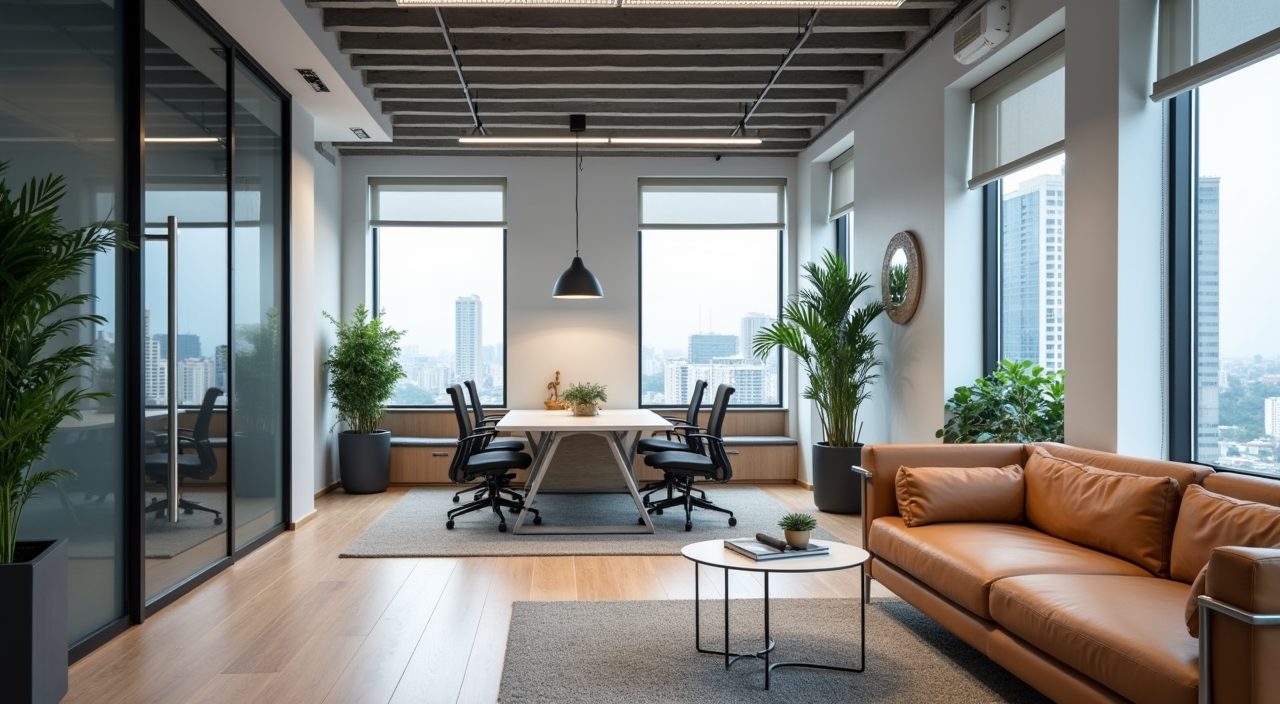
Before your contractor starts an office fit-out in Singapore, sort the fundamentals: confirm the unit's approved use, secure landlord written consent, lock the scope and budget, and line up the permits (BCA, SCDF, and building management approvals). Get these right and the build runs smoothly; skip them and you risk stop-work orders, rejected handovers, and blown timelines.
This checklist walks through 25 items grouped into the things that trip up most Singapore office fit-outs: approvals and compliance, the landlord relationship, design and services (M&E), and the contractor engagement itself. Work through them in order and you will hand your contractor a clean, buildable brief instead of a moving target.
What approvals and permits do you need first?
Nothing else matters if the space cannot legally be used the way you intend. Confirm the URA-approved use of the unit, because an office use class is different from retail, F&B, or light industrial (B1). Many so-called office tenancies in business parks or industrial buildings have use restrictions, and running a straight office in a B1 unit can breach the approved use.
Permits usually run through your contractor or a qualified person, but you should know what applies. Timelines vary by scope and authority load, so start early rather than assuming approvals are instant.
- URA: confirm the approved use class matches your intended office use.
- BCA: renovation or addition and alteration permits where structural or substantial works are involved.
- SCDF: fire safety plan approval and Certificate of Statutory Completion or fire safety certificate where layout, exits, or fire systems change.
- Building management: nearly every commercial building requires a separate fit-out submission and deposit.
- Statutory board notifications if you handle food, childcare, clinics, or other regulated activities.
What do you need to settle with the landlord?
The tenancy agreement and the fit-out guidelines set the real boundaries of your project, and they often override what you assumed you could do. Read both before finalising any design. Written landlord consent for your specific works is non-negotiable, and it should be secured before your contractor mobilises.
Reinstatement is the item tenants most often forget. Most Singapore commercial leases require you to return the unit to its original bare or base-build condition at the end of the term, so keep a record of the handover state and factor reinstatement cost into your budget from day one.
- Fit-out period and any rent-free fitting-out window.
- Approved contractor list, or whether the building forces you to use nominated M&E and fire contractors.
- Permitted working hours, usually evenings and weekends for noisy or hot works in occupied buildings.
- Fit-out deposit, insurance, and the building's indemnity requirements.
- Reinstatement obligation and what the original condition actually was.
- Use of common areas, service lifts, loading bay booking, and debris removal rules.
How should you lock the design, layout and headcount?
Give your contractor a fixed brief, not a wish list that keeps changing. Confirm your headcount and growth plan, then map desks, meeting rooms, and collaboration zones to it. In Singapore, cost the air-conditioning honestly: many buildings supply chilled water or centralised cooling on set hours, and after-hours air-con is billed separately, which shapes both layout and running cost.
Nail down the non-visible services early, because they drive the ceiling, the budget, and the permits. Electrical load, data cabling, lighting, fire protection (sprinklers, smoke detectors, fire alarm interface), and mechanical ventilation all need coordinating before the ceiling closes up.
- Final headcount plus realistic growth over the lease term.
- Room schedule: meeting rooms, phone booths, pantry, server or comms room, storage.
- Electrical: total load, distribution board capacity, and whether an upgrade is needed.
- Data and network cabling routes, and the comms room location.
- Lighting design and lux levels for a working office.
- HVAC and after-hours air-con provision and cost.
- Fire protection changes: sprinkler heads, detectors, and exit signage tied to the new layout.
- Accessibility and clear egress width to meet code.
How do you choose and brief the contractor?
This is where a Singapore renovation and fit-out specialist earns their fee, because a good one handles design coordination, the M&E trades, and the permit paperwork so you are not chasing three separate parties. Look for a contractor with commercial fit-out experience specifically, since office work carries fire, electrical, and building-management requirements that a home renovator may not be set up for. If you want the renovation, electrical, and plumbing works handled under one accountable team, that single point of contact removes a lot of finger-pointing when something goes wrong on site.
Get everything in writing before works start. A detailed quotation, a clear scope, a payment schedule tied to milestones, and a realistic programme protect both sides. Verify the contractor carries the right insurance and can produce method statements and risk assessments for the building manager.
- Itemised quotation with scope inclusions and, just as important, exclusions.
- Payment schedule tied to milestones, not a large upfront lump sum.
- Programme with key dates, and named responsibility for each permit.
- Proof of insurance: public liability and workmen compensation.
- Defects liability period and a retention sum held until snagging is cleared.
- References or photos from comparable Singapore office projects.
What should you finalise on budget and timeline?
Set the budget with a contingency, because fit-outs uncover surprises once ceilings and risers are opened. A sensible contingency is often around ten to fifteen percent of the build cost, and it is cheaper to have it and not need it than the reverse. Confirm who pays for what: some landlords contribute a fit-out incentive, while items like after-hours air-con, additional power, or upgraded fire provision may be at your cost.
Build the timeline backwards from your target move-in date, then add buffer for permit approvals and long-lead items such as custom joinery, glass partitions, or specialised furniture. Agree with the contractor how variations are priced and approved, so mid-project changes do not quietly balloon the final bill.
Frequently asked questions
How long does an office fit-out take in Singapore? For a typical small to mid-size office, plan on roughly six to twelve weeks on site once permits are approved, though larger or more complex spaces run longer. Permit approvals and long-lead items can add weeks before works even begin, so start the paperwork early.
Do I need BCA or SCDF approval for a simple office fit-out? It depends on scope. Cosmetic works like painting and carpet may need only building-management approval, but changes to layout, partitions, ceilings, electrical distribution, or fire systems typically trigger BCA and SCDF requirements. Your contractor or qualified person should advise based on your actual drawings.
Who is responsible for reinstatement at the end of the lease? The tenant almost always is, unless the tenancy agreement says otherwise. Most Singapore commercial leases require you to return the unit to its original condition, so budget for reinstatement upfront and document the handover state before you start.
Can one contractor handle renovation, electrical and plumbing together? Yes, and it is usually the cleaner option. A single accountable team that covers renovation, electrical, and plumbing coordinates the trades and permits under one roof, which reduces delays and avoids one trade blaming another when an issue appears on site.