
PPR, PVC or Copper? A Singapore Guide to Choosing the Right Water Pipe Type
Compare PPR, PVC and copper water pipes for Singapore homes: where each type is used, what PUB rules require, cost ranges and how to choose right.
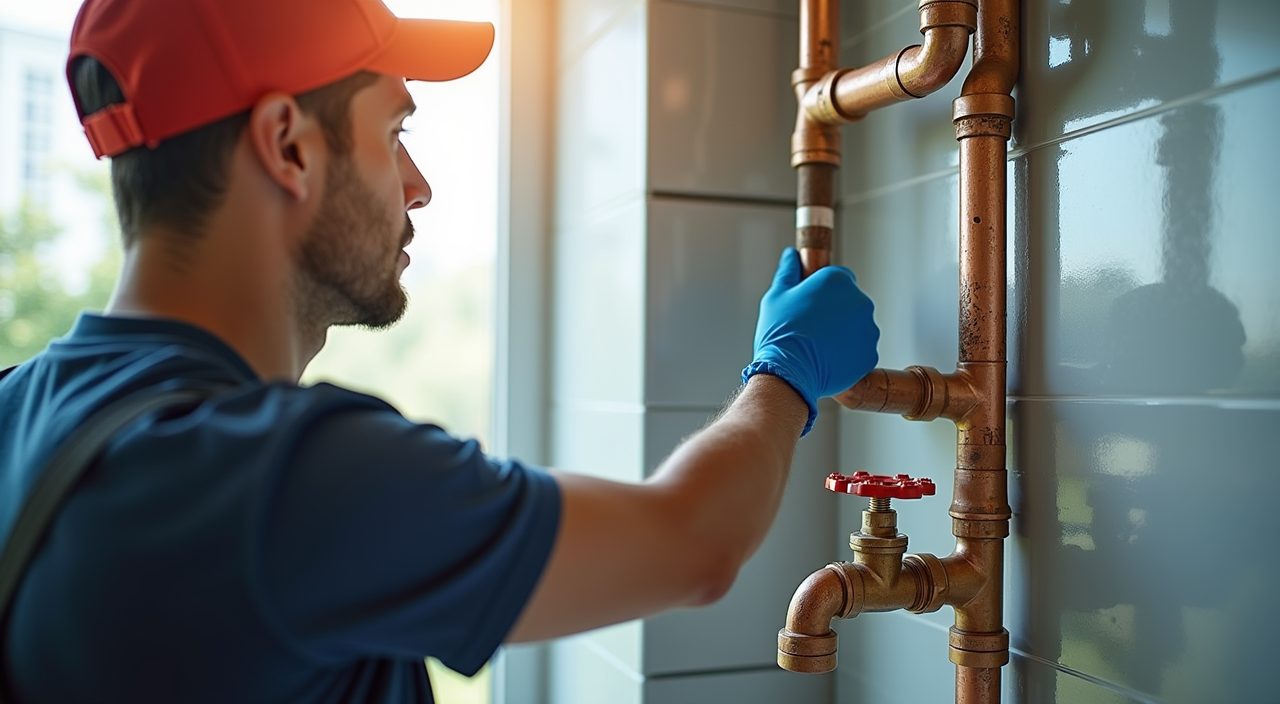
For most Singapore homes, PPR (polypropylene random copolymer) has become the standard choice for hot and cold water supply pipes, copper is the older approved metal option still common in older flats and for gas or specific fittings, and PVC is used mainly for waste, drainage and cold non-pressure runs rather than pressurised drinking water. The right pick depends on whether the pipe carries hot water, whether it sits behind a wall or is exposed, and what your building rules and the PUB approved products list allow.
Water pipes in a home are not one single material doing one job. The concealed supply lines feeding your kitchen and bathroom taps, the discharge pipes taking dirty water away, and any hot water line from a heater all face different pressure, temperature and corrosion demands. Understanding what each material is good at helps you ask a plumber the right questions and avoid paying for the wrong pipe in the wrong place.
What are the main water pipe types used in Singapore homes?
Three materials cover the vast majority of residential jobs here, plus one older type you may still find in aged buildings.
In practice, a modern HDB or condo renovation will most often use PPR for concealed hot and cold supply, keep or replace copper where it already exists, and use PVC or uPVC for the drainage side.
- PPR: green or white plastic pipe joined by heat fusion (welding). Common for concealed hot and cold water supply in newer renovations.
- Copper: metal pipe joined by soldering or compression fittings. Long the standard in older flats, still used for hot water and often required for gas.
- PVC and uPVC: rigid plastic for waste, soil, drainage and cold non-pressure runs. Not the usual choice for pressurised drinking water.
- GI (galvanised iron): older steel pipe found in ageing buildings. Prone to internal rust and low flow, usually replaced during renovation.
PPR vs PVC vs copper: how do they compare?
Each material trades cost, durability and ease of installation differently. Use this as a quick side by side for supply and drainage decisions.
No single pipe wins on every measure, so a good plumber mixes materials by function rather than using one type everywhere.
- Hot water: PPR handles hot water well, copper handles it very well, standard PVC is not suitable for hot pressurised water.
- Corrosion: PPR and PVC do not rust, copper resists corrosion but can suffer pitting in aggressive water over decades.
- Lifespan: copper can last many decades, quality PPR is rated for long service life, PVC is durable for drainage duty.
- Joining: PPR is heat fused into one continuous piece, copper is soldered or compression fitted, PVC is solvent welded.
- Cost: PVC is generally cheapest, PPR sits in the middle, copper is usually the most expensive on materials.
- Leak behaviour: fused PPR joints have few weak points, copper joints depend heavily on solder quality, PVC joints rely on clean solvent welding.
Where is each pipe type actually used in a flat?
Function drives material choice more than personal preference. The pipe carrying clean water to your tap has different demands from the pipe taking waste to the sewer.
Matching material to duty is the core skill: put copper or PPR where pressure and heat matter, and PVC where gravity and drainage rule.
- Concealed cold and hot supply: PPR in most new work, or copper in older or heritage setups.
- Hot water line from heater: PPR rated for hot water, or copper for its heat tolerance.
- Waste and soil pipes: PVC or uPVC handling kitchen, basin, shower and toilet discharge.
- Floor traps and drainage: PVC, since these are non-pressure gravity runs.
- Gas supply: copper is commonly specified, and gas work must be handled by a licensed gas service worker, not general plumbing.
What do PUB rules say about approved pipes?
In Singapore, potable water supply work is regulated. Pipes and fittings that connect to the public water supply generally must appear on PUB's list of approved products, and certain water service works must be carried out or supervised by a PUB licensed plumber (a Licensed Water Service Plumber).
This matters because using a non approved pipe, or an unlicensed person on notifiable water works, can create compliance problems and future headaches when selling or insuring the home. Always confirm the specific material and brand are approved for potable use before it goes behind your wall.
- Potable supply pipes and fittings should be on the PUB approved products list.
- Notifiable water service works typically require a PUB Licensed Water Service Plumber.
- Gas pipe work requires a licensed gas service worker, a separate qualification from plumbing.
- Keep documentation, since it protects you during resale, insurance claims and future repairs.
How much do the different pipe types cost?
Material cost is only part of the picture. Labour, the number of joints, wall hacking and reinstatement, and whether the run is concealed often cost more than the pipe itself. Because every home differs, treat any figure as an indicative range and get a written quote.
As a rough guide on materials alone, PVC tends to be the most affordable, PPR sits in the middle, and copper is usually the priciest. The gap can narrow once you factor in labour, since copper soldering and PPR fusion both need skilled hands and proper tools.
- Full re-pipe of a flat is usually quoted as a lump sum, not per metre, because access and hacking dominate the cost.
- Concealed runs cost more than exposed ones due to hacking, waterproofing and tiling reinstatement.
- More joints, taps and bends raise both material and labour.
- Get an itemised quote covering material type, brand, labour, and making good of walls and floors.
How do I get the right pipes installed correctly?
The safest path is to let a licensed professional assess your specific layout, water pressure and existing pipework, then recommend the right material for each section. For any plumbing work that touches the potable supply, engaging a PUB licensed plumber is not just good practice, it is the compliant route.
If you would like an assessment or a re-pipe done properly, our plumbing team can inspect your existing pipes, advise on PPR, copper or PVC by function, and carry out the work to Singapore standards. Ask for a written scope so you know exactly which material goes where and why.
- Ask which material is proposed for supply versus drainage, and why.
- Confirm potable pipes are PUB approved and that a licensed plumber handles notifiable works.
- Request a written quote covering materials, labour and reinstatement.
- Keep warranty and product documentation after completion.
Frequently asked questions
Can I mix PPR and copper in the same home? Yes, and many homes do. It is common to keep existing copper in some areas and use PPR for new concealed runs. Transitions between the two are handled with proper adaptor fittings, which a competent plumber will size and fit correctly.
Is PVC safe for drinking water? Standard PVC is generally used for waste and drainage rather than pressurised potable supply in homes here. For clean water supply, PPR or copper are the usual approved choices, and any potable pipe should be on the PUB approved products list.
Which pipe lasts the longest? Copper has the longest track record and can serve for many decades, while good quality PPR is also rated for a long service life with fewer joint failures. Real lifespan depends on water quality, installation standard and how well joints were made.
Do I really need a licensed plumber? For works connecting to the public water supply, yes. Notifiable water service works in Singapore typically require a PUB Licensed Water Service Plumber, and gas work needs a licensed gas service worker. This protects your compliance, insurance and resale position.