
PUB Plumbing Rules Explained: What Every Singapore Homeowner Must Know Before Renovating
A plain-English guide to PUB plumbing rules for Singapore homeowners: what needs a licensed plumber, what needs approval, and how to stay compliant.
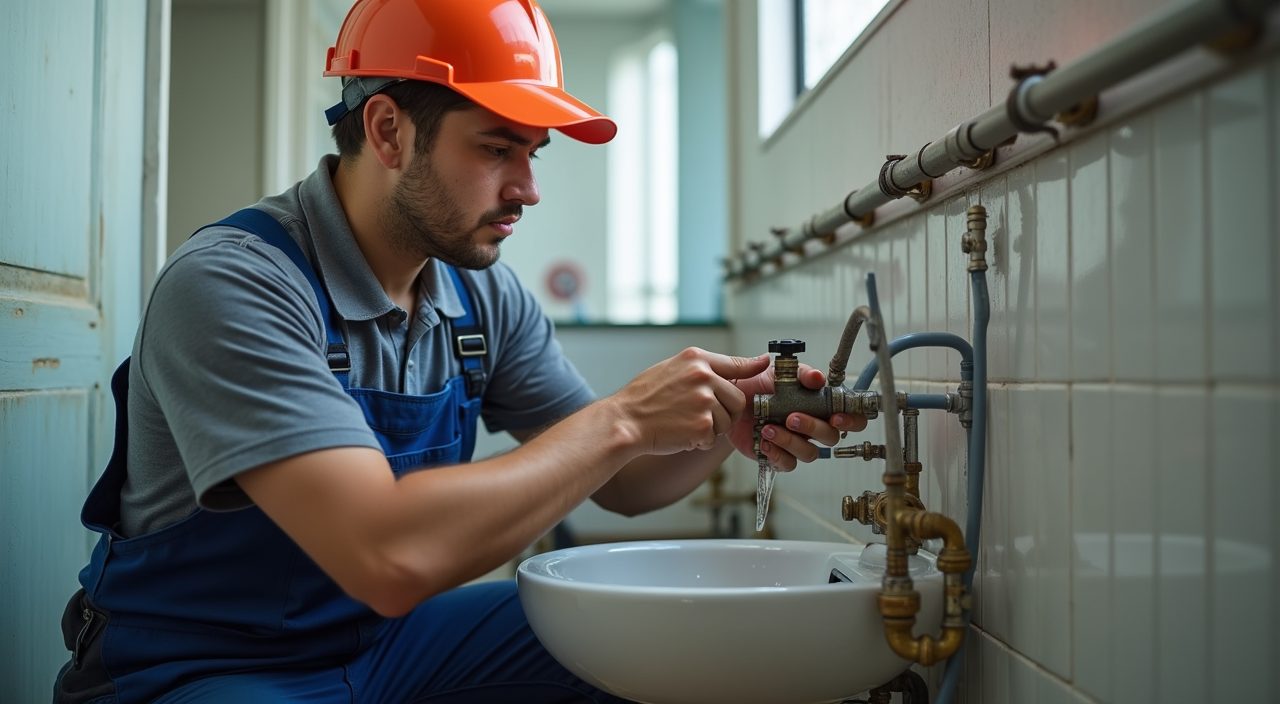
In Singapore, most sanitary and water pipe work that touches the public supply must be carried out or supervised by a PUB Licensed Plumber, and certain jobs must be submitted to PUB before work starts. As a homeowner you are legally responsible for making sure the plumber you engage is licensed, so hiring an unlicensed handyman for pipe work can leave you liable if something goes wrong. The safest rule of thumb: anything connected to your water meter or the sewer needs a licensed plumber, while swapping a tap washer or a shower head is fine to do yourself.
PUB (the Public Utilities Board) is Singapore's national water agency, and it regulates plumbing to protect the potable water supply and the public sewerage system. The rules exist so that contaminated water cannot flow back into the mains and so that waste is discharged safely. Understanding where the line sits before you renovate saves you from failed inspections, rectification costs, and awkward disputes with your contractor.
What is a PUB Licensed Plumber and why does it matter?
A PUB Licensed Plumber (LP) is an individual registered with PUB who is legally allowed to carry out and certify water service and sanitary works connected to the public system. Only a Licensed Plumber can apply to PUB for approvals, break into the water main, or lodge the required notifications. Their licence number can be checked, and reputable contractors will give it to you on request.
This matters because Singapore law places the duty on the property owner to engage a licensed person for regulated works. If unlicensed work causes a leak, cross-connection, or contamination, you can be held responsible and told to redo the work at your own cost. Paying a bit more for a licensed professional is cheaper than a failed inspection or a flooded neighbour below you.
Which plumbing jobs actually need a licensed plumber?
The dividing line is whether the work touches the public water supply or the sewerage system. Cosmetic swaps that reuse existing connections are usually fine for a homeowner or general renovator, but altering pipework, tapping the main, or moving drainage crosses into regulated territory.
Use this as a general guide, and confirm with your contractor for your specific case:
- Needs a Licensed Plumber: any work on pipes connected to the water meter, extending or relocating water points, installing or replacing a storage tank, new sanitary or soil pipe runs, and connecting to the sewer.
- Needs a Licensed Plumber: replacing a water heater where pipework is altered, and adding a bidet spray or instant heater that taps into supply pipes.
- Usually fine to DIY: changing a tap washer, swapping a shower head or hose, replacing a toilet seat, and clearing a simple sink blockage with a plunger.
- Grey area, ask first: replacing a mixer tap or a whole WC suite, since it depends on whether the connections and traps are disturbed.
When do you need PUB approval before starting work?
Not every job needs a formal submission, but bigger changes do. Work that affects the water service installation, such as increasing the number of fittings, altering the incoming supply, or installing certain water storage, typically requires the Licensed Plumber to notify or seek approval from PUB before work begins. Your plumber handles this application on your behalf as part of the job.
For a standard HDB or condo bathroom refresh that reuses existing pipe positions, formal PUB approval is often not required, though the work must still be done to standard by a competent person. If you are moving a toilet, adding a new bathroom, or changing the layout significantly, treat approval as likely and build the lead time into your renovation schedule.
What about HDB, condo and MCST rules on top of PUB?
PUB rules are national, but they are not the only layer. HDB has its own renovation guidelines, including restrictions on hacking, waterproofing requirements for wet areas, and rules about relocating the toilet or floor trap. HDB flats also require a renovation permit for many works, and only HDB registered renovation contractors can carry out permit works.
In private condominiums, the management corporation (MCST) sets house rules covering permitted hours, deposits, and approvals, and they often require proof that wet-area works are done properly to avoid inter-floor leaks. Before you start, check all three: PUB requirements, your HDB or MCST rules, and your contractor's licensing. They stack, and ignoring any one of them can stall your project.
What are common PUB plumbing mistakes homeowners make?
The most frequent error is assuming a cheap handyman can do everything. Unlicensed pipe alterations, poor waterproofing, and improvised connections are the usual causes of inter-floor leaks, which are expensive to trace and repair once tiles are down. Another common mistake is not keeping records of who did the work.
Watch out for these pitfalls when planning your renovation:
- Skipping the Licensed Plumber for water point relocations to save money, then failing a check or springing a leak.
- Weak or missing waterproofing membrane in showers and toilets, which HDB and MCSTs treat seriously because of leaks to the unit below.
- Cross-connecting water and non-potable sources, which risks contaminating the supply and is strictly prohibited.
- Not asking for the plumber's licence number or a proper invoice, leaving you without recourse if work is defective.
How do you get plumbing work done correctly and compliantly?
Start by engaging a contractor who either holds or works with a PUB Licensed Plumber, and ask them upfront who will certify the regulated portions and whether any PUB or HDB submission is needed for your scope. A competent team will handle the licensing, the notifications, and the waterproofing to standard, so you are not left carrying the compliance risk.
If you would rather not manage the licensing maze yourself, our plumbing service covers the full job from assessment to compliant installation, using licensed professionals for any work connected to the supply or sewer. That means water point relocations, heater and tank installs, bathroom pipe reroutes, and drainage are done correctly the first time, with the paperwork sorted, so your renovation passes inspection and does not come back to haunt you.
Frequently asked questions
Do I need a Licensed Plumber to change a tap in Singapore? For a simple like-for-like swap of a tap where you are not altering the pipework, you can usually do it yourself. If the connection, angle valve, or supply pipe is disturbed or relocated, engage a PUB Licensed Plumber to keep it compliant.
Can I be fined for using an unlicensed plumber? As the property owner you carry the legal duty to use a licensed person for regulated water and sanitary works. If unlicensed work causes problems, you can be required to rectify it at your own cost and may face enforcement action, so the risk is real even if you were not the one holding the tools.
How do I check if a plumber is PUB licensed? Ask for the individual's PUB Licensed Plumber number and the company details, then verify against PUB's records. Any legitimate contractor will provide this without hesitation, and reluctance to share it is a red flag.
Does a standard bathroom renovation need PUB approval? If you reuse existing pipe and toilet positions, formal PUB approval is often not required, but the work must still meet standards. If you relocate the toilet, add a bathroom, or alter the supply significantly, approval is likely and your Licensed Plumber should submit it before work starts.