
Rain Shower vs Handheld Shower: Choosing the Right Setup for Your Bathroom
Rain shower vs handheld shower in Singapore: how each performs with local water pressure, HDB and condo constraints, cost and the best combined setup.
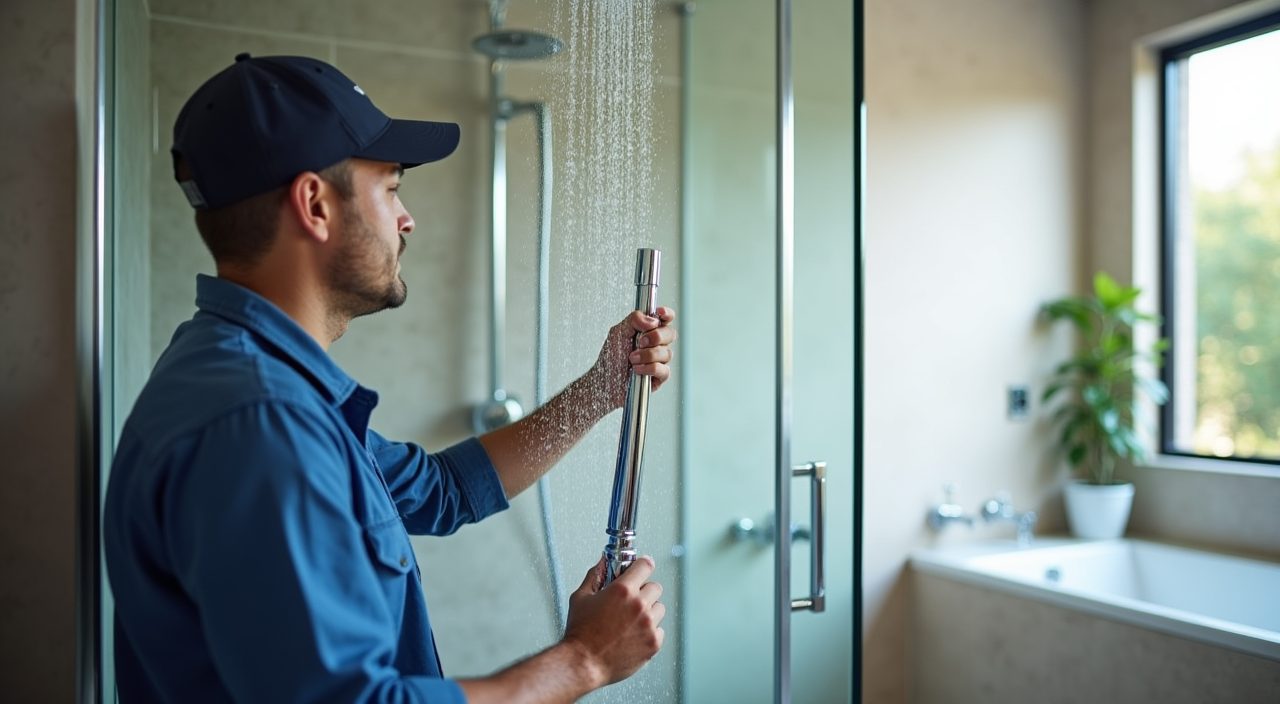
For most Singapore homes the best answer is not either or: a combined rain shower with a separate handheld spray gives you the relaxing overhead flow plus the practical control you need for cleaning, rinsing and washing kids or pets. A rain shower alone looks and feels luxurious but can feel weak if your water pressure is low, while a handheld alone is the most flexible and cheapest option. Your final choice depends on your water pressure, whether you have a storage heater or instant heater, and how much space and budget you have.
In Singapore the practical differences matter more than the marketing photos. HDB flats, older walk-ups and condos all vary in mains pressure, ceiling height and whether the bathroom was designed for a concealed diverter. This guide compares the two setups on pressure, comfort, cleaning, cost and installation, so you can pick what actually works in your bathroom rather than what looks good in a showroom.
What is the difference between a rain shower and a handheld shower?
A rain shower is a large fixed head, usually mounted overhead on the ceiling or on a tall arm, that pours water straight down over a wide area to mimic rainfall. A handheld shower is a smaller head on a flexible hose that you hold or clip onto a rail, so you can direct the water wherever you want.
The two are not mutually exclusive. Many modern Singapore bathrooms run both off a single mixer with a diverter, letting you switch between the overhead rain head and the handheld spray, or a rail set that combines a handheld with a fixed head.
- Rain shower: fixed, wide overhead coverage, spa-like feel, less directional control.
- Handheld shower: movable, precise, easy to rinse and clean, ideal for kids, pets and the elderly.
- Combined set: both on one mixer with a diverter, giving you the best of each.
Which works better with Singapore water pressure?
This is the deciding factor for many homes. Rain showers need decent flow to feel good, because the water spreads over a large area and falls gently rather than spraying with force. If your mains or storage tank pressure is on the low side, a big rain head can feel like a light drizzle, while a handheld concentrates the same flow into a stronger, more satisfying spray.
Newer HDB flats and condos generally have adequate mains pressure for a rain shower, but older flats, high floors and homes on a gravity fed storage heater can struggle. If you are unsure, it is worth having the pressure checked before you commit to a large overhead head, and in some cases a booster pump is the fix.
- Good pressure: rain shower feels full and even, both options work well.
- Low pressure: handheld feels noticeably stronger; a large rain head may disappoint.
- Fixes for low pressure: choose a smaller rain head, keep the handheld as primary, or install a booster pump.
Which is more practical for cleaning and daily use?
A handheld wins clearly on practicality. You can rinse soap off the walls and screen, wash the floor, clean the toilet area, bathe young children, rinse a dog and direct water exactly where you want it without turning your whole body under a fixed stream. For elderly family members or anyone who showers seated, a handheld on a rail is far safer and easier.
A rain shower is the more relaxing daily experience once you are actually standing under it, but it is poor for targeted tasks. This is exactly why a combined setup is so popular in Singapore: the rain head for the enjoyable soak, the handheld for everything practical.
How much do they cost to buy and install in Singapore?
Prices vary widely with brand and finish, so treat these as broad ranges rather than fixed quotes. A basic handheld shower set is the cheapest to buy and simplest to fit. A quality rain shower mixer set with a concealed diverter costs more for the hardware, and the labour is higher because it often involves concealed piping and hacking tiles.
The biggest cost driver is usually not the head itself but whether pipework needs to be moved or concealed. A surface mounted swap is quick and affordable, while relocating the outlet, adding a ceiling mounted rain head or running concealed pipes behind new tiles pushes the cost up because it becomes part of a small renovation job.
- Handheld set only: lowest hardware cost, quick install, minimal or no tiling work.
- Exposed rain and handheld combo bar: mid range hardware, straightforward install.
- Concealed rain shower with diverter: highest cost, needs concealed piping and tiling, best planned during a bathroom reno.
Can you install a rain shower in an HDB flat or condo?
Yes, rain showers are common in both HDB flats and condos, but there are constraints to plan around. Ceiling height matters for a ceiling mounted rain head, and you generally want comfortable clearance above your head. If your ceiling is low or you do not want to open it up, a wall mounted rain arm or a rail set with a top mounted head is a simpler alternative.
For concealed work behind tiles, remember that in an HDB flat waterproofing and the floor screed are protected for a period after handover, and any hacking of the original bathroom floor within that window can affect your warranty and needs care. For strata titled condos, altering pipework or wet works usually requires management approval. When in doubt, get a licensed plumber to assess the layout before buying fixtures.
Getting the setup installed correctly
Whichever route you choose, the outcome depends heavily on correct installation: the diverter has to be plumbed the right way round, concealed pipes must be pressure tested before tiling, and waterproofing has to be reinstated properly if any tiles are hacked. Getting this wrong leads to leaks behind the wall that are expensive to trace and fix later.
This is where our plumbing team helps. We can check your existing water pressure, advise whether a rain head will perform in your specific flat or condo, supply and fit exposed or concealed sets, and handle the tiling and waterproofing reinstatement if pipework needs to be moved. If you are planning it as part of a bathroom refresh, we can coordinate the whole job so the shower, waterproofing and finishes line up.
Frequently asked questions
Do I need a booster pump for a rain shower in Singapore? Not usually in newer HDB flats and condos, which tend to have adequate mains pressure. Older flats, high floors or homes on a low pressure storage heater may benefit from a pump or from choosing a smaller rain head; the safest step is to have the pressure checked first.
Can I have both a rain shower and a handheld on the same mixer? Yes. A mixer with a diverter lets you switch between the overhead rain head and the handheld spray, and this combined setup is one of the most popular choices in Singapore bathrooms because it covers both relaxation and practical cleaning.
Does a rain shower use more water than a handheld? It can, because the head is larger and covers a wider area, so flow per minute is often higher. Choosing a head with a sensible flow rate and switching to the handheld for quick rinses helps keep water use reasonable.
Can I install a rain shower myself? Swapping a simple surface mounted head is straightforward, but a concealed rain shower involves diverters, concealed piping and waterproofing that should be pressure tested before tiling. For concealed work, or anything that involves hacking tiles or moving the outlet, it is best done by a licensed plumber to avoid hidden leaks.