
Retail Shop Renovation in Singapore: Budget, Timeline and Landlord Approvals
A practical guide to retail shop renovation in Singapore: realistic budget ranges, project timelines, and the landlord and BCA approvals you need before you start.
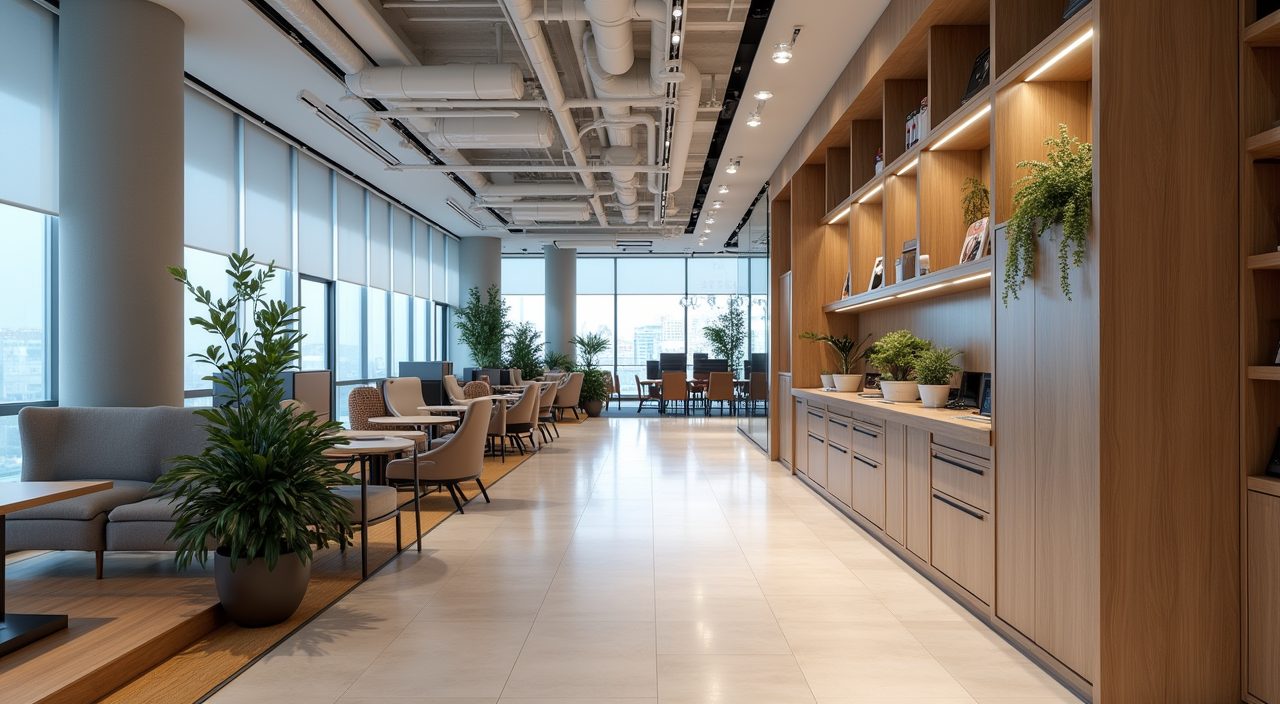
A retail shop renovation in Singapore typically costs somewhere between SGD 80 and SGD 250 per square foot depending on how much you keep versus rebuild, and a standard mall or shophouse unit takes roughly 4 to 10 weeks on site. Before any hacking starts you almost always need written landlord approval, a licensed contractor, and in many cases a Qualified Person to submit works to BCA. The single biggest cost and delay risks are unclear scope, slow landlord sign-off, and mall fit-out rules that force after-hours work.
Retail fit-outs are their own animal. Unlike a home reno, you are working inside someone else's building, on a lease clock, with a landlord who has strict rules about noise, hoarding, protection of common areas, and how the shopfront must look. Getting the sequence right, approvals first, then design, then build, is what keeps a shop opening on time and on budget.
How much does a retail shop renovation cost in Singapore?
There is no single price because a bare shell unit and a light refresh of an existing shop sit at opposite ends. As a working guide, a cosmetic refresh (paint, new signage, lighting, minor joinery) can land around SGD 50 to SGD 100 per square foot, while a full fit-out of a raw shell with new flooring, ceiling, air-conditioning tie-in, electrical, and custom carpentry commonly runs SGD 150 to SGD 250 per square foot or more for premium F and B and beauty concepts.
Food and beauty tenancies cost more because of grease traps, exhaust, extra plumbing, wet works, and heavier power loads. Always price the unglamorous items too, because they quietly eat the budget.
- Cosmetic refresh: roughly SGD 50 to SGD 100 per sq ft
- Standard retail fit-out: roughly SGD 100 to SGD 180 per sq ft
- F and B or beauty fit-out: often SGD 180 to SGD 250+ per sq ft
- Add for: mall fit-out deposit, professional fees, permits, and after-hours labour
How long does a shop renovation take?
On-site build time for a typical mall or shophouse unit is usually 4 to 10 weeks, but the full project from design to handover is longer once you add drawings, quotations, and approvals. A simple refresh can be done in 2 to 4 weeks; a complex F and B shell with kitchen, mechanical ventilation, and licensing can stretch to 3 months or more.
Malls often restrict noisy or dusty work to overnight hours, which slows progress and raises labour cost. Build that reality into your lease rent-free fit-out period so you are not paying rent while still hoarded up.
- Design and quotation: 1 to 3 weeks
- Landlord and authority approvals: 1 to 4 weeks (can overlap design)
- On-site build: 2 to 10 weeks depending on scope
- Testing, inspection, and handover: a few days to a week
What landlord approvals do I need before starting?
Almost every commercial lease requires you to submit a fit-out proposal and get written landlord approval before you touch anything. Malls in particular run a formal fit-out process with a tenant handbook, an approved contractor list or vetting, a fit-out deposit, and a designated fit-out manager who signs off drawings and site conduct.
Read the tenancy agreement and the fit-out manual early, because they dictate what you can and cannot change, from shopfront design to where you route services. Skipping this can mean forfeiting your deposit or being told to hack out completed work.
- Written landlord approval of fit-out drawings and materials
- Fit-out deposit (refundable if you leave the unit in good order)
- Use of an approved or vetted contractor, with insurance and Workmen's Compensation
- Reinstatement obligation: most leases require you to restore the unit at lease end
- Compliance with mall rules on hoarding, working hours, and protection of common areas
Do I need BCA or other authority permits?
It depends on the works. Cosmetic changes usually do not need authority submission, but structural changes, additions and alterations, or works affecting fire safety and egress generally require a Qualified Person (a registered architect or professional engineer) to submit to BCA and SCDF. F and B outlets have their own layer: SFA licensing, grease and exhaust requirements, and often NEA approval for ventilation.
Do not assume the landlord handles this. Clarify in writing who submits what. A good contractor will flag when a QP submission or fire safety works are needed rather than quietly building past a code requirement.
- Structural or A and A works: QP submission to BCA usually required
- Fire safety, sprinklers, or changes to escape routes: SCDF involvement likely
- F and B: SFA food shop licence, plus NEA and grease and exhaust requirements
- Signage and shopfront: may need landlord and, in some locations, URA or town council consent
How do I plan the budget and avoid nasty surprises?
Split your budget into visible works (flooring, joinery, signage, lighting) and hidden works (electrical distribution, aircon tie-in, plumbing, fire protection, and reinstatement liability). Hold back a contingency of around 10 to 15 percent, because old shophouse units and tired mall shells often hide surprises behind the wall.
Get an itemised quotation, not a lump sum, so you can see what each trade costs and compare fairly. Watch for scope you may have assumed was included: the make-good of ceilings after M and E works, temporary hoarding, protection of the mall floor, and disposal of debris.
Getting the work done right
Retail fit-outs pull together several trades at once, so it helps to work with a contractor who handles the renovation, electrical, and plumbing under one roof rather than juggling separate vendors who blame each other when something clashes. That single point of accountability matters most when a mall gives you a tight overnight fit-out window and every trade has to move in sequence.
A capable renovation partner will also help you read the landlord fit-out manual, coordinate any QP submission, and sequence electrical and plumbing works so power, water, and drainage are ready before the finishes go in. If you are planning a shop fit-out, get someone experienced in Singapore commercial renovation to walk the unit with you before you sign anything, so surprises surface in the quote and not on site.
Frequently asked questions
Can I use my own contractor in a shopping mall? Often not freely. Many malls require you to choose from an approved contractor list, or to have your contractor vetted and insured before they are allowed on site, so confirm this before committing to any quote.
Who pays for reinstatement at the end of the lease? Almost always the tenant. Most Singapore commercial leases require you to restore the unit to its original or bare condition when you leave, so factor reinstatement cost into your total budget from day one, not just the opening fit-out.
Do I need an interior designer as well as a contractor? Not always. For a simple shop a good design-and-build contractor can handle both drawings and construction. For more complex or branded concepts, or where a QP submission is needed, a designer plus a licensed contractor and QP is the safer route.
How early should I start the renovation before opening? Start planning as soon as the lease is close to signed. Allow time for design, landlord approval, and any authority permits before the build, since approvals, not construction, are usually what delay a shop opening.