
Rooftop Water Tank Cleaning in Singapore: How Often and Why It Matters
How often should you clean a rooftop or storage water tank in Singapore, why it matters for health, and what a proper cleaning actually involves.
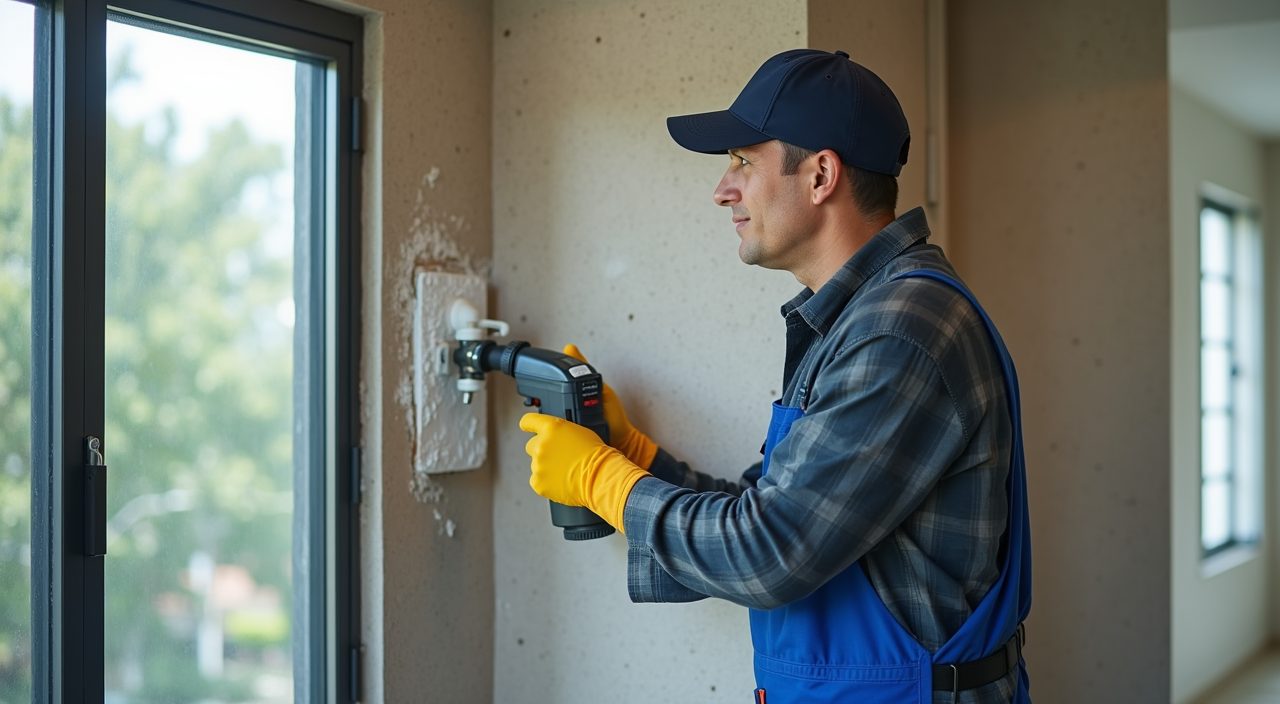
A rooftop or rooftop-level storage water tank in Singapore should be cleaned and inspected at least once a year, and every six months if the tank is old, uncovered, or serving many people. Regular cleaning removes sediment, sludge, biofilm and any insects or debris that collect inside, which protects your water quality and keeps the stored supply safe to use.
Most modern HDB flats and many condos receive water directly from the mains at pressure, so they do not have a personal storage tank to worry about. Storage tanks are more common in landed homes, older buildings, some condominium blocks, and commercial premises. If your home or building has one, it is your responsibility (or the managing agent's) to keep it clean, covered and in good condition.
How often should a water tank be cleaned in Singapore?
As a general rule, clean and inspect a domestic storage tank once every 12 months. Move to a six-month cycle if the tank shows any of the risk factors below, since a warm, humid climate speeds up algae and biofilm growth.
Do not wait for a fixed date if you notice a problem. Cloudy water, an odd taste or smell, or visible particles from the tap are signs the tank may need cleaning sooner.
- Once a year: a good baseline for a covered, well-maintained domestic tank
- Every 6 months: older tanks, poorly sealed lids, or tanks serving many people
- Immediately: after any contamination, flooding, pest entry, or nearby renovation dust
- On handover: always clean a tank when you move into a new property, since you do not know its history
Why does tank cleaning actually matter?
Stored water sits still, and standing water is where problems start. Over months, fine sediment settles at the bottom, a slimy biofilm forms on the walls, and a gap in the lid can let in dust, leaves, lizards or mosquitoes. All of this can affect how your water looks, smells and tastes, and in the worst cases it becomes a health risk.
There is also a mosquito angle that matters locally. An uncovered or badly sealed tank is a potential breeding site, which is exactly the kind of stagnant water the authorities warn against in dengue control. Keeping the tank sealed and clean removes that risk at the source.
What are the signs your tank needs cleaning now?
You often cannot see inside the tank day to day, so watch what comes out of the tap. Any of the signs below is worth acting on rather than ignoring.
If you notice several of these at once, stop drinking or cooking with the water until the tank has been checked and cleaned.
- Water looks cloudy, yellowish or has visible bits floating in it
- A musty, earthy or chlorine-gone smell from the water
- Slime or discolouration you can see when you open the tank lid
- Reduced flow, which can mean sediment building up near the outlet
- You have never cleaned it, or you just moved into the property
What does a proper tank cleaning involve?
A thorough clean is more than a rinse. Done properly, it empties, scrubs, disinfects and inspects the tank so you get both clean water and an early warning on any wear.
The typical steps look like this:
- Shut off the inlet and drain the tank fully
- Remove remaining sludge and sediment from the base
- Scrub the interior walls, floor and lid to lift biofilm and stains
- Disinfect the surfaces, then rinse out the disinfectant
- Inspect the lid seal, inlet and outlet fittings, and the tank body for cracks or rust
- Refill and confirm the water runs clear before normal use resumes
Should you clean it yourself or hire a plumber?
A small, easily accessible tank can sometimes be rinsed by a careful homeowner, but there are real limits. Rooftop and high-level tanks involve working at height, confined spaces, heavy lids and correct disinfection, none of which are worth a fall or a half-done job.
For anything on a roof, anything large, or any tank feeding a whole household, it is safer to bring in a professional. When you arrange the plumbing service, ask them to clean and disinfect the tank, check the lid seal and fittings, and flag any corrosion or cracks so you can plan a repair or replacement before it fails. A licensed plumber can also advise whether an ageing tank is worth keeping at all.
How much does water tank cleaning cost in Singapore?
Price depends on tank size, how accessible it is, and how much sludge has built up, so treat any single figure with caution. A small, easy-access domestic tank sits at the lower end, while a large rooftop tank or one needing scaffolding and confined-space precautions costs more.
Rather than chase the cheapest quote, ask what is included. A proper price should cover draining, scrubbing, disinfection, rinsing and an inspection, not just a quick hose-down.
- Cheaper: small, ground-level or easily reached domestic tank
- Higher: rooftop or high-level tanks needing safe access at height
- Higher: heavily fouled tanks that need extra scrubbing and disinfection
- Watch for: quotes that skip disinfection or inspection to look cheap
Frequently asked questions
Do HDB flats need water tank cleaning? Most HDB flats get water directly from the mains and have no personal storage tank, so there is nothing to clean at your unit. Any shared building tanks are the town council or managing agent's responsibility, not the individual flat owner's.
Is tap water in Singapore safe without a tank? Yes. Water from the public mains meets strict quality standards and is safe to drink straight from the tap. The concern is only with water that has been stored in a tank, since storage is where quality can drop if the tank is dirty or poorly sealed.
How long does a tank cleaning take? A standard domestic tank is usually cleaned and disinfected within a few hours, including draining and refilling. Larger or badly fouled tanks take longer, and you will have limited water use during the drained period.
Can a dirty water tank make you sick? It can. Sediment, biofilm and contamination from pests or dust can affect water quality and, in the worst cases, cause stomach upsets or infections. Regular cleaning and a well-sealed lid are the simplest ways to avoid this.