
Shower Mixer Types Explained: Manual, Thermostatic and Concealed Options
A Singapore homeowner's guide to shower mixer types: manual, thermostatic and concealed. Learn the differences, costs and which suits your HDB or condo bathroom.
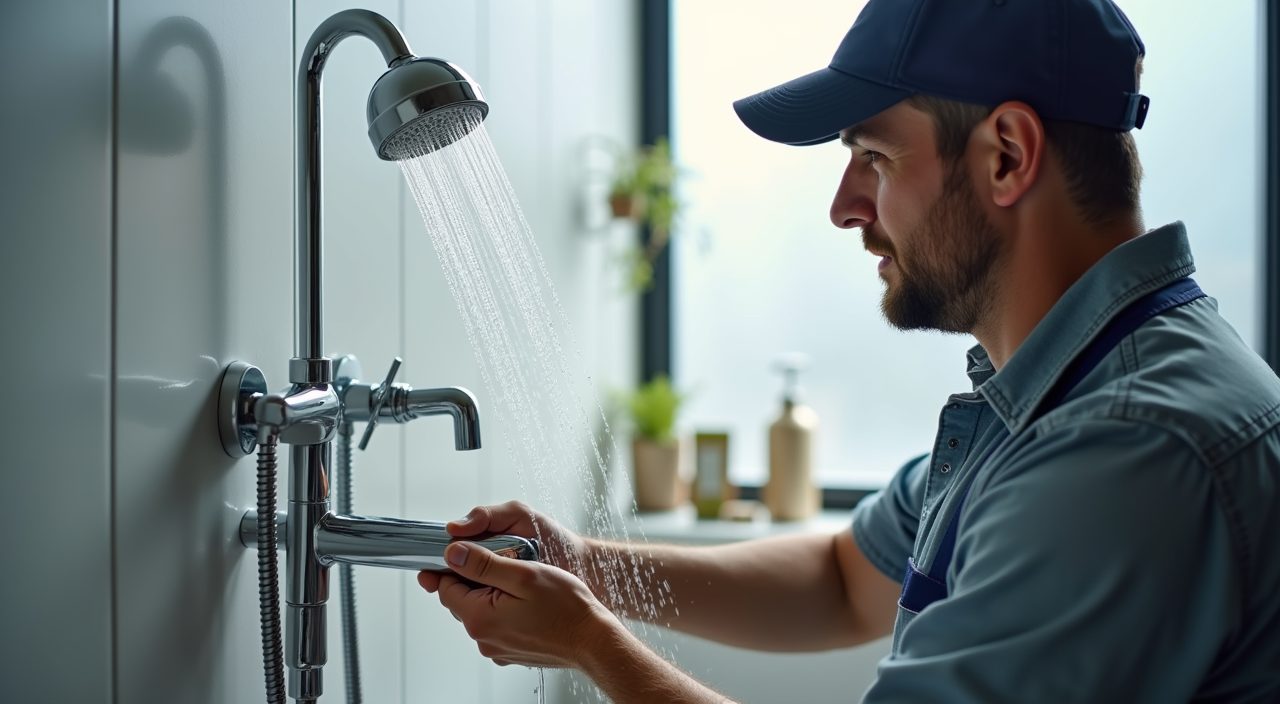
A shower mixer is the valve that blends hot and cold water to set your shower temperature and flow. The three main types are manual mixers (one or two handles you adjust by hand), thermostatic mixers (which hold a set temperature automatically and stop scalding), and concealed mixers (where the valve body is buried in the wall so only the trim shows). For most Singapore homes the choice comes down to budget, whether you have a storage water heater or instant heater, and how much wall and tiling work you are willing to do.
In Singapore the picture is slightly different from cooler countries. Many HDB and condo bathrooms run on instant (tankless) electric heaters rather than a central hot water system, and that affects which mixer actually works well for you. This guide explains each type in plain terms, flags the local quirks, and helps you match a mixer to your bathroom and your renovation stage.
What is a shower mixer and how does it work?
A shower mixer sits between your hot and cold supply and combines the two streams into one outlet feeding the shower head or hand spray. You control temperature by changing the ratio of hot to cold, and flow by opening the valve wider. Older setups used two separate taps; a modern mixer does both jobs in one unit.
The key thing to understand locally is your heat source. If you use an instant electric heater, water is only heated on demand and there may be no separate hot feed to blend, so a plain manual single-lever mixer often controls flow to the heater rather than mixing two temperatures. If you have a storage tank heater with true hot and cold lines, any mixer type will work as intended.
What is a manual shower mixer?
A manual mixer is the most common and affordable type. You set the temperature and flow yourself using either a single lever or two handles, and it stays where you left it until you move it.
The trade-off is that a manual mixer does not react to pressure or supply changes. If someone flushes a toilet or runs a kitchen tap, the temperature can swing hotter or colder until you adjust it. For a single-bathroom home with steady supply this is rarely a big problem, and it keeps costs down.
Manual mixers suit most budget-conscious HDB and condo bathrooms.
They pair fine with both instant and storage heaters.
Fewer internal parts means simpler, cheaper repairs.
Temperature can drift if water pressure changes.
What is a thermostatic shower mixer?
A thermostatic mixer has a built-in temperature-sensing cartridge (usually a wax or bi-metal element) that automatically holds the temperature you dial in, even if incoming pressure or supply changes. Most models also have a safety stop, commonly around 38 to 40 degrees Celsius, and will shut down or reduce flow if the cold supply fails, which helps prevent scalding.
The important local caveat: a thermostatic mixer needs a genuine hot supply and cold supply to blend, so it is best suited to homes with a storage water heater or a central hot water system. It generally does not do its job on a basic single-inlet instant heater, because there is no separate hot line for it to mix. Thermostatic units cost more than manual ones and are worth it mainly for families with young children or elderly users where scald protection matters.
Holds a stable, pre-set temperature hands-free.
Scald protection is valuable for kids and elderly.
Needs both hot and cold feeds, so best with a storage heater.
Higher upfront cost and pricier cartridge replacements.
What is a concealed shower mixer?
Concealed (or recessed) refers to how the mixer is installed rather than how it works. The valve body is embedded inside the wall and only a slim plate, handle and spout outlet are visible, giving a clean, minimal look that is popular in newer condo and renovated HDB bathrooms. A concealed mixer can be either manual or thermostatic on the inside.
Because the valve sits behind the tiles, installation involves chasing a channel into the wall, running the pipework, and tiling over it. That means concealed mixers are far easier to fit during a renovation than as a retrofit, and any future servicing may need tiles opened up. Exposed mixers, by contrast, mount on the surface and are simpler to install or replace later.
Concealed gives the cleanest look with minimal visible hardware.
Best planned during a bathroom renovation, not as a quick swap.
Servicing may require removing tiles to reach the valve.
Exposed mixers are cheaper and easier to replace down the line.
Which shower mixer is right for a Singapore home?
Match the mixer to your heater and your renovation stage first, then to your budget. If you run an instant electric heater, a manual mixer is usually the practical choice. If you have a storage tank with real hot and cold lines and want comfort and safety, a thermostatic mixer earns its keep. Choose concealed only if you are tiling anyway and want the streamlined finish.
As a rough guide for planning, budget more for the valve and labour as you move from manual to thermostatic and from exposed to concealed, since concealed and thermostatic units cost more and take longer to fit. Treat any figures as ballpark ranges only, because final cost depends on the brand, your pipework, and how much hacking and tiling is involved.
Instant heater, tight budget: manual exposed mixer.
Storage heater, family with kids or elderly: thermostatic mixer.
Doing a full bathroom reno and want a clean look: concealed valve.
Landlord or quick upgrade: exposed manual for easy future swaps.
How do you get a shower mixer installed correctly?
Swapping an exposed mixer can look simple, but getting a proper watertight seal, correct hot and cold orientation, and compatibility with your heater is where things go wrong. Concealed and thermostatic installs are more involved and usually need wall work, careful pressure balancing, and sometimes coordination with an electrician if the heater is affected. Getting the plumbing done by an experienced contractor avoids leaks behind the tiles that are expensive to fix later.
If you are unsure which mixer suits your setup, a plumber can check your water heater type, pressure and existing pipework before you buy, so you do not end up with a thermostatic unit that cannot mix on an instant heater. For renovations, plan the mixer choice early so the wall chasing and tiling are done once, in the right sequence.
Frequently asked questions
Can I use a thermostatic shower mixer with an instant water heater? Usually not effectively. Thermostatic mixers are designed to blend a separate hot and cold supply, and a basic single-inlet instant heater does not provide a distinct hot line to mix. If you want thermostatic control, a storage tank heater with true hot and cold feeds is the reliable pairing.
Is a concealed mixer harder to repair than an exposed one? Yes, because the valve body is buried behind the tiles. Minor parts like handles and trim are accessible, but reaching the cartridge or valve may require opening the wall. Choose a reputable brand with available spare parts, and keep a note of the model for future servicing.
How much does a shower mixer cost in Singapore? It varies widely by type and brand. Manual exposed mixers are the most affordable, thermostatic units cost noticeably more, and concealed installs add labour for wall chasing and tiling. Ask your contractor for an itemised quote covering the mixer, fittings and any hacking work rather than relying on a single headline price.
Do I need to replace my water heater when I change the mixer? Not usually, but the mixer must match your heater type. Confirm whether you have an instant or storage heater before buying, since that determines whether a mixing valve will actually blend two temperatures. A plumber can verify compatibility during a site check.