
Storage Water Heater Sizing: What Tank Capacity Does Your Family Need?
Pick the right storage water heater size for your Singapore home. Tank capacity guide by household size, HDB vs condo fit, and installation tips.
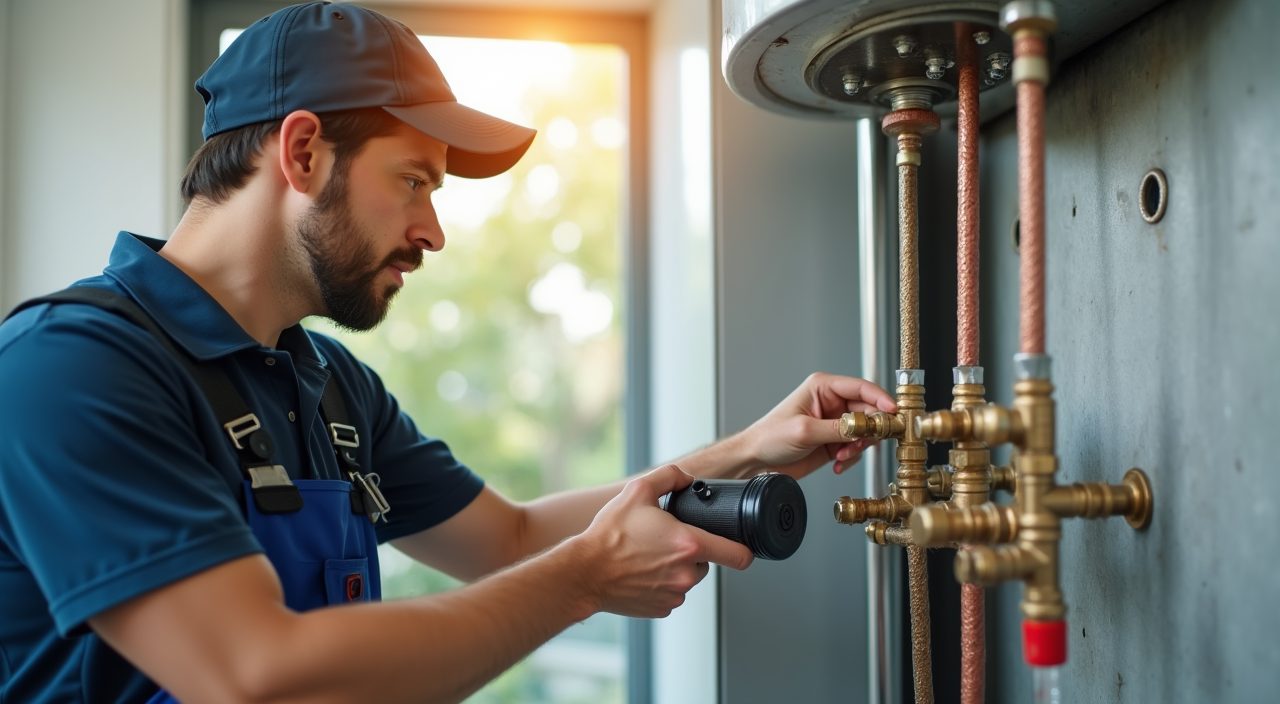
For most Singapore households, a storage water heater between 25 and 40 litres covers everyday hot showers without running cold. A couple or a small family sharing one bathroom usually does well on a 25 to 30 litre unit, while a larger family, a rain shower, or two bathrooms used close together points toward 40 to 60 litres or more.
Getting the size right matters because an undersized tank leaves you shivering mid-shower, while an oversized one wastes space and standing heat in an already warm climate. The correct capacity depends on how many people shower in a row, your flow rate, and how the heater is plumbed to your bathrooms.
What is a storage water heater and how does it differ from instant heaters?
A storage water heater holds a fixed volume of water in an insulated tank and keeps it hot using an internal element, ready to draw whenever you turn on the tap. An instant heater, by contrast, heats water on demand as it flows through, with no tank to run out.
In Singapore both types are common. Storage heaters give a steady, strong hot flow that many people prefer for filling tubs or running a generous rain shower, but the hot water lasts only as long as the tank volume. Instant heaters never run out but can feel weaker if several outlets run at once.
- Storage heater: tank of pre-heated water, strong flow, finite supply per heating cycle.
- Instant heater: heats on demand, endless supply, output limited by electrical power and flow.
- This guide focuses on sizing the tank type, since capacity is the key decision there.
What tank capacity does my family actually need?
The simplest way to size a storage tank is to count how many people shower back to back and how demanding each shower is. A standard shower head draws roughly 6 to 9 litres a minute, and the tank refills and reheats between uses, so you rarely need a litre for every litre used across the day.
Use these figures as a starting point, then round up if you like long or hot showers, or if your family tends to shower one after another in the morning rush.
- 1 to 2 people, one bathroom: 25 to 30 litres is usually enough.
- 3 to 4 people, one bathroom: 30 to 40 litres gives comfortable back to back showers.
- 4 to 5 people or two bathrooms in use: 40 to 60 litres reduces the wait for reheating.
- Large family, rain shower, or a bathtub: 60 litres or more, or consider a second heater.
Does a rain shower or bathtub change the sizing?
Yes, and often by a lot. A wide rain shower head can pour out 12 to 20 litres a minute, roughly double a normal head, so a 25 litre tank that felt fine with a standard shower can drain in a couple of minutes under a rain head.
If you love a rain shower or plan to fill a soaking tub, size up. A tub alone can need 100 litres or more of hot water, which usually means a larger dedicated tank rather than a small bathroom unit.
- Standard shower head: about 6 to 9 litres per minute.
- Rain shower head: about 12 to 20 litres per minute, drains a tank faster.
- Bathtub fill: often 100 litres or more of hot water in one go.
- For rain showers, jump one tank size up from the table above to stay comfortable.
What size fits an HDB flat versus a condo?
Physical space matters as much as capacity in Singapore homes. Many HDB bathrooms have a ceiling recess or a wall zone above the door where a horizontal or vertical storage tank is mounted, and the common sizes there are 25, 30, and 40 litres because they fit the available clearance.
Condos and landed homes often have more room, a dedicated service balcony, or a store area where a larger 60 to 100 litre tank can sit. Before you commit to a size, check the mounting spot, wall strength, and whether the recess can take the tank height and its bracket.
- HDB bathroom recess: commonly 25, 30, or 40 litre horizontal or vertical units.
- Condo or landed home: room for 60, 80, or 100 litre tanks when demand is high.
- Always confirm wall bracket strength, since a full tank is heavy.
- Leave clearance for the tank, pipe connections, and future servicing access.
How do I plan the electrical supply and safety for a storage heater?
A storage heater is usually wired to a dedicated circuit with its own switch, and it must be protected by a residual current device so the supply cuts out fast if there is a fault. In Singapore, electrical work on fixed wiring should be done by a Licensed Electrical Worker, and the water side should follow good plumbing practice to avoid leaks.
You also want a safety relief valve and correct pipe sizing so pressure and temperature stay in safe limits. Mixing water, electricity, and a tank under pressure is exactly the kind of job worth doing properly the first time rather than patching later.
- Dedicated circuit with an isolator switch for the heater.
- Residual current device protection for shock safety.
- Pressure and temperature relief valve fitted and drained correctly.
- Licensed electrical work for fixed wiring connections.
Should I get it professionally installed?
Sizing, mounting, plumbing, and wiring a storage water heater are best handled together so the tank is level, the pipes do not leak, and the electrical side is safe and compliant. A professional will also read your bathroom layout and shower type, then recommend a capacity that suits how your household actually uses hot water.
If you are choosing a new unit or replacing an old leaking one, our team can assess your bathroom, advise on the right tank size, and carry out water heater installation cleanly, including the plumbing connections and the licensed electrical hookup. That turns a guess into a properly matched, safe setup.
Frequently asked questions
Is a bigger tank always better? No. A larger tank takes up more space, costs more to buy, and loses more standing heat, which is wasteful in Singapore's warm climate. Match the size to your real usage rather than buying the biggest one available.
How long does a storage heater take to reheat? A typical 30 to 40 litre home unit usually reheats a full tank in roughly 20 to 40 minutes, depending on element power and the incoming water temperature. Many people simply switch it on before showering and leave it on a timer.
Can two bathrooms share one storage heater? They can, but if both are used at the same time you may run out of hot water quickly. For two bathrooms in regular simultaneous use, a larger tank or a separate heater per bathroom gives a better experience.
How long does a storage water heater last? With good water quality and occasional servicing, many storage heaters run well for around 8 to 12 years. If yours is leaking, tripping the power, or giving lukewarm water, it is usually time to inspect or replace it.