
Tap & Mixer Replacement: DIY vs Plumber
Replacing a tap or mixer in Singapore? Here is when DIY is safe, when to call a licensed plumber, and the real costs to expect.
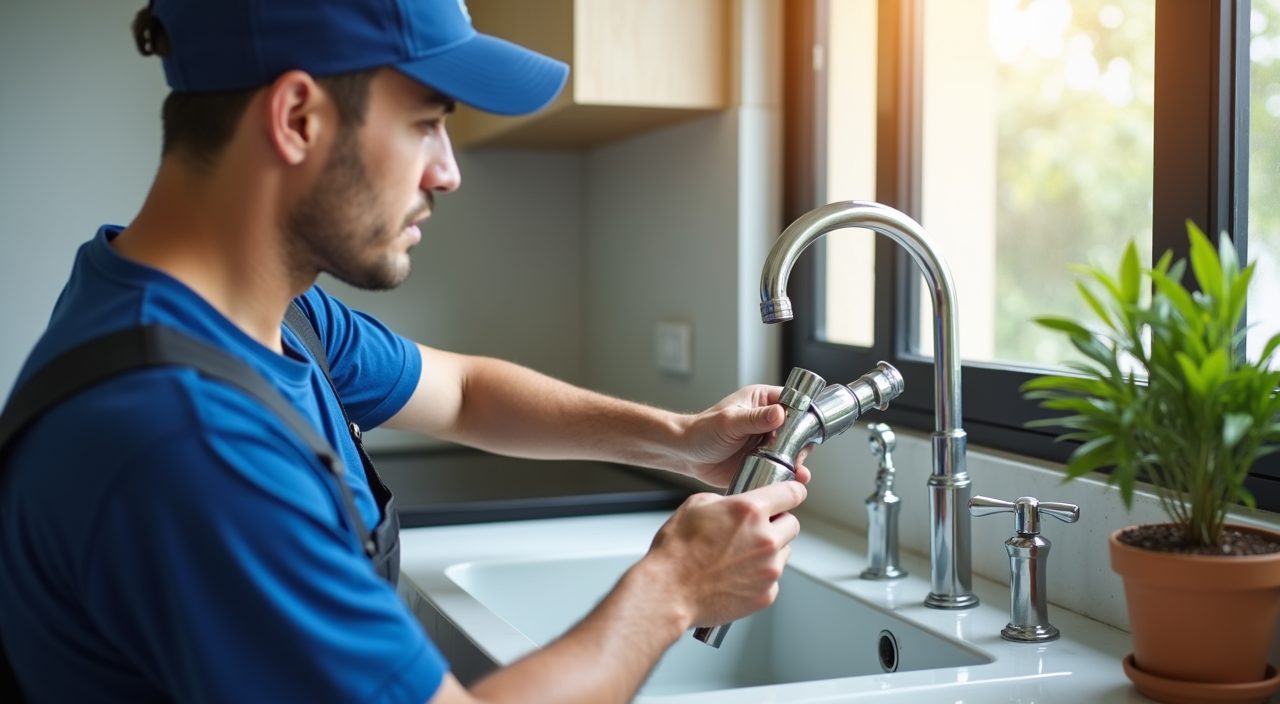
Replacing a simple pillar tap in Singapore is a realistic DIY job for most homeowners: shut off the water, unscrew the old tap, wrap the threads with PTFE tape, and fit the new one. Replacing a wall-mounted or basin mixer is harder and often needs a plumber, because it involves hidden connections, sealing, and sometimes the water main. If you are unsure or the connection sits behind a wall, hiring a licensed plumber is the safer choice.
The right call depends on the tap type, how the water is shut off, and your comfort with hand tools. A worn washer or a loose spout may not need a full replacement at all. This guide walks through the difference between taps and mixers, what DIY realistically involves, when to bring in a professional, and the price ranges you can expect in Singapore.
What is the difference between a tap and a mixer?
A tap (or bib tap) delivers one water supply through one handle, common at kitchen sinks, laundry areas, and older bathroom basins. A mixer blends hot and cold water through a single spout, controlled by one lever or two handles, and is standard in most modern Singapore homes.
Mixers are more involved to replace because they connect to two supply lines and often use flexible hoses or a cartridge. Some mixers are wall-mounted with concealed bodies, which almost always means opening up tiling or calling a plumber.
Can I replace a tap myself in Singapore?
Yes, for a straightforward deck-mounted tap or a basin mixer with accessible flexible hoses, DIY is usually fine if you have the right tools and can reach the connections. The core steps are the same in most homes.
Do not attempt DIY if the tap is wall-mounted with a concealed body, if you cannot find a working shut-off valve, or if the pipes look corroded and might snap. In those cases the risk of a leak or water damage outweighs the saving.
- Turn off the water at the isolation valve under the sink, or at the main if there is no local valve
- Open the tap to release pressure and drain remaining water
- Loosen the connecting nuts with an adjustable wrench and remove the old tap
- Clean the surface and wrap PTFE (plumber's) tape clockwise around male threads
- Fit the new tap, hand-tighten, then snug with the wrench without overtightening
- Turn the water back on slowly and check every joint for drips
What tools and parts do I need?
A basic tap swap needs only a few items, most of which are cheap at any Singapore hardware store or DIY chain. Buying the correct fitting and thread size matters more than the tools.
Bring a photo of your old tap and its connections when shopping, since inlet sizes and hose fittings vary. A mismatch is the most common reason a DIY job stalls halfway.
- Adjustable wrench and a basin wrench for tight spaces
- PTFE thread seal tape
- New tap or mixer with the correct inlet size and finish
- Replacement flexible hoses if the old ones are stiff or old
- A cloth and small bucket to catch drips
When should I call a licensed plumber?
Call a professional when the job touches concealed pipework, when the shut-off valve is seized, or when you find corroded, mismatched, or leaking pipes once the old tap is off. Wall-mounted mixers, water heater connections, and any work near the main supply are best left to a licensed plumber.
In Singapore, plumbing work that affects the potable water supply system should be carried out by a PUB-licensed water service plumber. For simple fixture swaps this is not always required, but for anything involving the incoming supply or major pipework, using a licensed plumber protects you and keeps the system compliant.
How much does tap and mixer replacement cost in Singapore?
DIY cost is mostly the price of the tap itself. A basic tap can start under 30 dollars, a decent basin mixer often runs from around 50 to 200 dollars or more depending on brand and finish, plus a few dollars for tape and hoses.
Hiring a plumber typically adds a labour or call-out charge on top of the fixture. As a rough guide, a straightforward tap or mixer installation often lands in the region of 60 to 150 dollars in labour, with more for wall-mounted units, concealed work, or after-hours visits. Always ask for a quote before work begins, since prices vary by plumber and job complexity.
How do I get it done professionally?
If the tap sits behind a wall, the valve will not close, or you simply want a clean guaranteed result, a professional handles the swap, the sealing, and the leak test in one visit. This is also the sensible route if you are replacing several fixtures at once or updating an older bathroom.
Our team covers toilet and bathroom fixture repair and installation across Singapore, including tap and mixer replacement, so you can book the work rather than risk a hidden leak. A licensed plumber will confirm the fitting, install it correctly, and check the joints before leaving.
How do I stop leaks after fitting a new tap?
Most post-install leaks come from three things: not enough thread tape, an over-tightened fitting that cracks the seal, or a worn flexible hose. Wrap the tape neatly in the direction the nut turns, tighten firmly but not with full force, and replace tired hoses rather than reusing them.
After turning the water back on, run the tap and dry every joint with a cloth, then watch for beads of water over the next few minutes. A slow drip that appears after an hour usually means a loose connection or a missed seal, not a faulty tap.
Frequently asked questions
Do I need a licensed plumber to replace a tap in Singapore? For a simple fixture swap that does not alter the water supply pipework, many homeowners do it themselves. For work that affects the potable water supply, concealed pipes, or the main, use a PUB-licensed water service plumber to stay compliant and safe.
How long does replacing a tap take? A straightforward tap or basin mixer usually takes 30 to 60 minutes once you have the right parts. Concealed wall mixers take longer and may involve tiling, which is why they are better handled by a plumber.
Why is my new tap still dripping? The most common causes are insufficient thread tape, an over-tightened joint, or an old flexible hose. Redo the seal, check the connection, and swap the hose if it is stiff or cracked.
Can I reuse the old flexible hoses? You can, but it is not recommended. Old hoses go brittle and are a frequent source of hidden leaks, so fitting fresh hoses during the swap is cheap insurance.