
Toilet Bowl Choke: Causes and Clearing
A Singapore homeowner guide to clearing a choked toilet bowl fast, common causes, DIY fixes with a plunger or auger, and when to call a plumber.
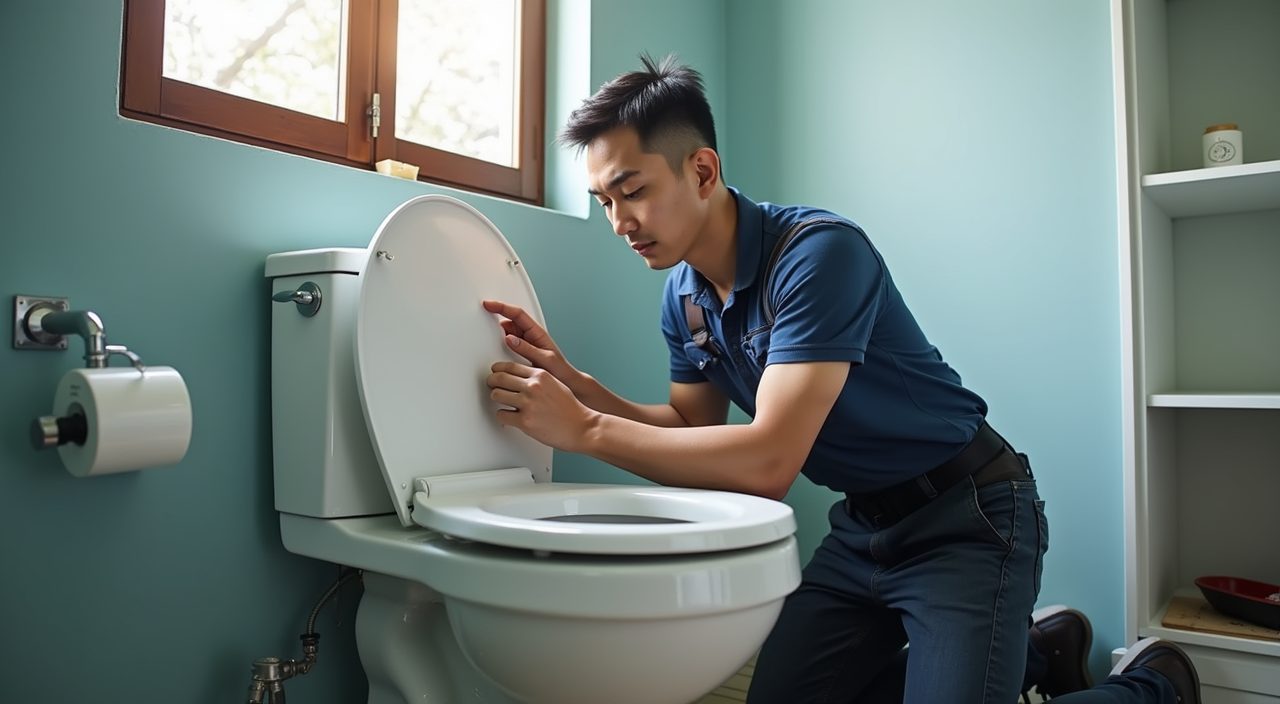
To clear a toilet bowl choke, first stop flushing so the bowl does not overflow, then work a flanged toilet plunger over the drain hole with firm, steady pushes for about 15 to 20 strokes. If the plunger fails, a toilet auger (closet snake) can reach and break up the blockage further down the trap. Most light chokes caused by too much paper or waste clear this way; a persistent or repeated choke usually means a deeper blockage that needs a plumber.
In most Singapore homes the toilet connects to a shared soil stack and eventually the public sewer, so a choke can sit anywhere from the bowl trap to the pipe below. Knowing where the blockage is helps you decide whether it is a quick DIY fix or a job for a professional. This guide covers the common causes, the safe order of steps to try, and the warning signs that mean you should stop and get help.
What causes a toilet bowl to choke?
A toilet chokes when something blocks the S-shaped trap inside the bowl or the pipe beyond it, so water and waste cannot pass. Some blockages build up slowly, while others happen the moment the wrong item goes down.
The usual culprits in Singapore flats and landed homes include:
- Too much toilet paper flushed at once, especially thick or non-dissolving types
- Wet wipes, cotton pads, sanitary products and tissue that do not break down
- Foreign objects such as toys, phone covers, dental floss or hair clumps
- Grease, food scraps or cooking oil poured into the toilet
- Mineral scale and slow build-up narrowing an older pipe over time
- A blocked or partially blocked shared soil stack affecting the whole unit
How do I clear a toilet choke with a plunger?
A flanged toilet plunger (the type with an extra rubber flap that folds out) is the right tool, not the flat cup plunger meant for sinks. Make sure there is enough water in the bowl to cover the rubber head, since the seal is what creates the suction that shifts the blockage.
Place the flange into the drain hole to form a tight seal, then push down and pull up firmly and steadily for around 15 to 20 strokes. Keep the seal intact and avoid splashing. If the water drains away with a gurgle, the choke has cleared; flush once to confirm the bowl empties normally. If nothing moves after a few rounds, stop and move to an auger rather than flushing again.
When should I use a toilet auger instead?
If plunging does not work, a toilet auger (also called a closet snake) is the next step. It has a flexible cable with a coiled tip that you feed into the trap and rotate to hook or break apart the blockage. Unlike a metal wire hanger, a proper auger has a rubber sleeve that protects the porcelain from scratches.
Feed the cable in gently until you meet resistance, then crank the handle to work through the blockage, and pull back slowly to draw out any material. Augers are best for chokes just past the trap. If the cable goes in fully and still hits a solid block, the problem is likely deeper in the pipe or the shared stack, which is beyond a DIY tool.
Do home remedies like hot water or dish soap help?
For a mild choke, a jug of hot (not boiling) water poured from waist height, sometimes with a good squirt of dish soap left to sit for 10 to 15 minutes, can loosen a soft blockage made of paper or waste. Boiling water is risky because sudden heat can crack a ceramic bowl, so keep it hot rather than fully boiling.
Avoid harsh chemical drain cleaners in a toilet. They often sit against the porcelain without reaching the blockage, can splash and burn skin, and may damage seals or pipes. If simple hot water and a plunger do not work, mechanical clearing with an auger or a plumber is safer and more effective.
What should I not do when the toilet is choked?
The biggest mistake is flushing repeatedly to force it through. Each flush adds water the bowl cannot drain, and an already choked toilet will overflow onto the floor. If the water level is high, shut off the toilet supply valve behind or beside the bowl, or lift the cistern lid and hold the flush flap closed.
A few other things to avoid:
- Do not pour strong chemical drain cleaners into the bowl
- Do not use a metal hanger or sharp tool that can crack or scratch the porcelain
- Do not keep bailing and re-flushing in a loop if nothing improves
- Do not ignore a choke that keeps coming back, since it points to a deeper issue
When should I call a plumber for a choked toilet?
Call a professional when the plunger and auger both fail, when the same toilet chokes again and again, or when more than one fixture in the home backs up at the same time. Multiple slow or gurgling drains, or water rising in a floor trap when you flush, often signal a blockage in the shared soil stack rather than your bowl, and that needs proper equipment to diagnose and clear.
A licensed plumber can use a powered drain snake or high pressure water jet and a camera to find and remove a deep blockage without damaging the pipe. If the toilet is overflowing, sewage is backing up, or you have only one toilet and it is out of action, this is the kind of situation an emergency plumber in Singapore is set up to handle quickly, often on the same day.
How can I prevent toilet chokes?
Most chokes are avoidable with a few habits. Flush only toilet paper and human waste, and put everything else in the bin, even products labelled flushable, since many do not break down in local pipes.
Simple prevention steps that help:
- Keep a covered bin in the toilet for wipes, cotton pads and sanitary items
- Do not pour cooking oil, grease or food scraps into the toilet
- Use a moderate amount of toilet paper, flushing in stages if needed
- Keep small items, toys and toiletries away from the open bowl
- Address slow-draining or gurgling toilets early before they fully block
Frequently asked questions
Will a choked toilet clear itself over time? Sometimes a soft blockage of paper softens and passes after an hour or two, so it is fine to wait before trying again. But if the bowl is still full or the choke returns, it will not resolve on its own and needs plunging, an auger or a plumber.
Is it safe to plunge a toilet myself in an HDB flat? Yes, plunging is safe and is the first thing most homeowners should try. Just wear gloves, keep the seal tight, and avoid flushing while the bowl is still full to prevent an overflow.
Why does my toilet keep choking again and again? Repeated chokes usually mean a partial blockage further down the pipe, a narrowing older pipe, or an issue in the shared soil stack. A one-off clear treats the symptom; a plumber with a camera can find and fix the underlying cause.
How much does it cost to clear a toilet choke in Singapore? It depends on how deep the blockage is and whether jetting or a camera is needed, so prices vary between plumbers. Ask for a callout and clearing quote upfront, and confirm whether the fee covers diagnosis, the clearing work, and any parts before the plumber starts.