
Toilet Leaking at the Base? Causes & Fixes
Water pooling at the base of your toilet in Singapore? Learn the common causes, quick checks and when to call a plumber to fix it fast.
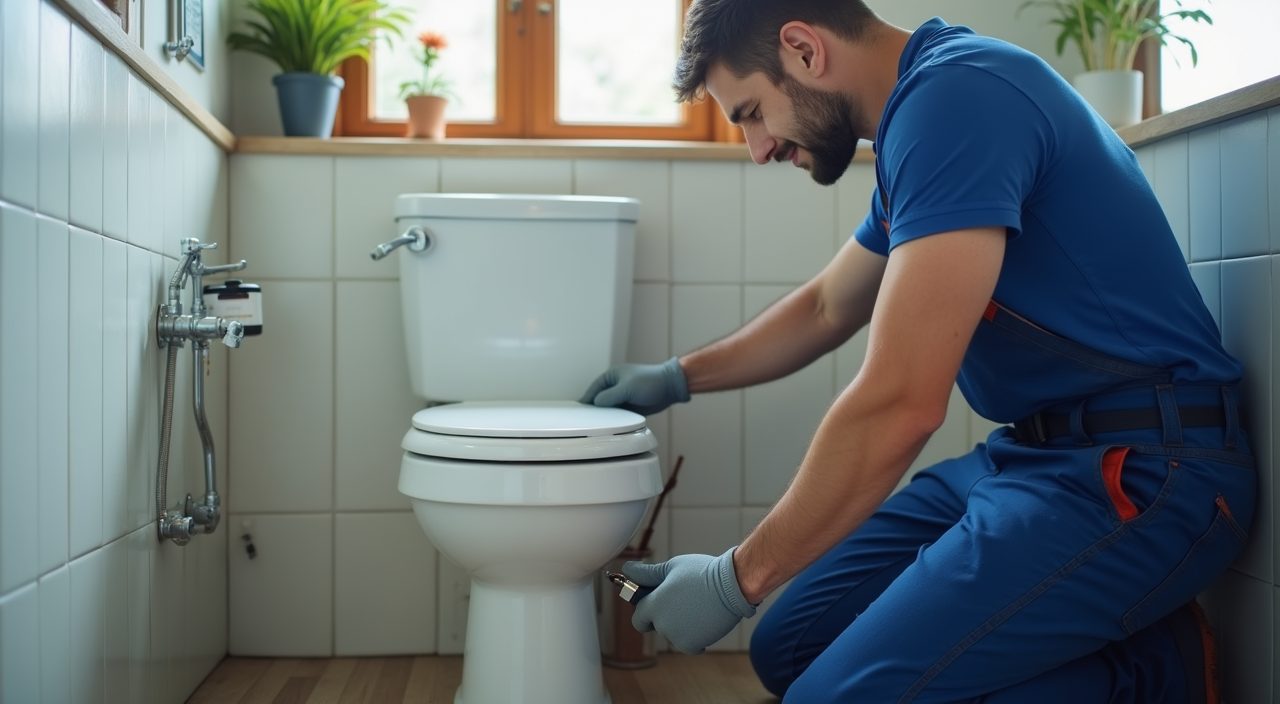
A toilet leaking at the base is most often caused by a failed wax or rubber seal between the toilet and the floor drain, loose mounting bolts, or condensation dripping off the cistern and tank. Less commonly it is a cracked pan or a leaking supply connection running down the side. The fix ranges from tightening bolts and replacing the floor seal to reseating or replacing the toilet, and it is worth acting quickly before water seeps under tiles or into the unit below.
In Singapore homes, a wet patch around the toilet base is easy to shrug off as splashback, but a steady leak points to a plumbing fault. Because most HDB and condo toilets sit above a waterproofing membrane and screed, water escaping at the base can travel under floor tiles and eventually show up as damp ceilings or peeling paint in the unit below. Finding the source early keeps a small seal job from turning into a costly repair for you and your downstairs neighbour.
Why is water pooling at the base of my toilet?
Clean water at the base after flushing usually means the seal that connects the toilet outlet to the floor drain has failed, letting flush water escape sideways instead of going down the pipe. If the water appears mainly on humid days or overnight and smells clean, it is more likely condensation forming on the cold cistern and running down to the floor.
To narrow it down, wipe the base bone dry, then flush a few times and watch where water first appears. Water that seeps out only during or right after a flush points to the floor seal or a cracked pan. Water that builds up slowly without flushing points to condensation or a leaking supply line.
- Failed wax or rubber floor seal (most common leak during flushing)
- Loose or corroded floor mounting bolts
- Condensation dripping off the cistern in humid weather
- Cracked toilet pan or a hairline fracture near the base
- Leaking water supply connection or angle valve running down the side
Is it a leak or just condensation?
Singapore's humidity makes cistern sweating very common, especially in bathrooms without good ventilation or where cold mains water keeps the tank surface below room dew point. Condensation shows as a film of droplets over the whole tank and bowl exterior, with water tracking down to the floor, and it is worse in the afternoon heat or after long humid spells.
A true leak tends to reappear in the same spot at the base and often coincides with flushing. If the base stays wet even when the tank exterior is dry, you are dealing with a seal or supply issue rather than sweating. An insulated tank liner, a running toilet fix, or better ventilation can reduce condensation.
Can I fix a leaking toilet base myself?
Some causes are simple DIY jobs. If the toilet rocks slightly, the mounting bolts at the base may just need gentle tightening with the caps popped off; do not overtighten, as ceramic cracks easily. If a supply hose or angle valve is dripping, hand tightening the connection or replacing a worn washer often stops it.
Replacing the floor seal is more involved. It means shutting off the water, emptying and removing the toilet, cleaning off the old seal, fitting a new one and reseating the pan level and square. Get this wrong and the leak returns or the pan cracks, so many homeowners prefer to have a plumber handle the removal and reseat.
- DIY friendly: tightening loose bolts, replacing a supply hose washer, adding a tank liner for condensation
- Better left to a plumber: replacing the floor seal, reseating the pan, diagnosing a suspected crack
- Never ignore: a persistent leak reaching the floor screed or a damp patch on the ceiling below
What happens if I ignore a toilet base leak?
A slow base leak rarely stays small. Water works its way under the tiles and into the cement screed, and over time it can compromise the bathroom waterproofing membrane. Once the membrane is breached, moisture reaches the structural slab and can appear as stains, blistered paint or a musty smell in the unit directly below.
In HDB flats and condos, inter floor leaks are a common source of disputes between neighbours, and repairs can involve hacking tiles and redoing waterproofing rather than a quick seal swap. Fixing a base leak early is far cheaper and less disruptive than dealing with water damage across two units.
When should I call a plumber in Singapore?
Call a licensed plumber if the leak continues after you have tightened the bolts and checked the supply line, if the toilet rocks or the pan looks cracked, or if you see any sign of water reaching the ceiling below. These point to a failed floor seal, a damaged pan or compromised waterproofing that needs proper diagnosis.
For seal replacement, pan reseating, or a full swap, our team handles toilet repair and installation across Singapore, including removing the old unit, fitting a fresh seal and setting the pan level so it stays watertight. A professional reseat also lets the plumber inspect the flange and drain while the toilet is off, catching problems you cannot see from above.
How much does it cost to fix a leaking toilet base?
Costs vary with the cause and your fittings, so treat these as rough guides rather than fixed quotes. A simple call out to tighten bolts, replace a supply hose or swap a floor seal is usually a modest job, while removing and reseating a pan costs more because of the labour involved. Supplying a brand new toilet on top of installation adds the price of the unit itself.
Where waterproofing has already been damaged, the cost climbs sharply because it may involve hacking tiles, redoing the membrane and retiling. This is exactly why catching a base leak early saves money. Ask for an itemised quote covering labour, parts and any waterproofing work so there are no surprises.
Frequently asked questions
Why is my toilet leaking from the bottom only when I flush? Water that appears at the base during or just after flushing almost always means the seal between the toilet outlet and the floor drain has failed, so flush water escapes sideways instead of going down the pipe. The fix is to remove the toilet and fit a new floor seal.
Is a leaking toilet base an emergency? It is not usually a burst pipe emergency, but it should not be left for weeks. A steady leak can seep under tiles, damage waterproofing and reach the unit below, turning a small seal job into a much larger repair, so address it within days.
Can I keep using the toilet if it is leaking at the base? You can use it briefly, but every flush adds more water to the leak and the risk to your floor and the unit below. Reduce use, wipe the area dry to monitor the leak, and arrange a repair as soon as you can.
How do I stop my toilet cistern from sweating in Singapore's humidity? Improve bathroom ventilation, fix any running or constantly refilling toilet so cold water is not always entering the tank, and consider an insulating tank liner. These steps raise the tank surface temperature and cut condensation.