
Water Heater Leaking From the Bottom: Causes and When to Replace It
Water heater leaking from the bottom in your Singapore home? Learn the common causes, quick safety steps, and how to know when to repair or replace it.
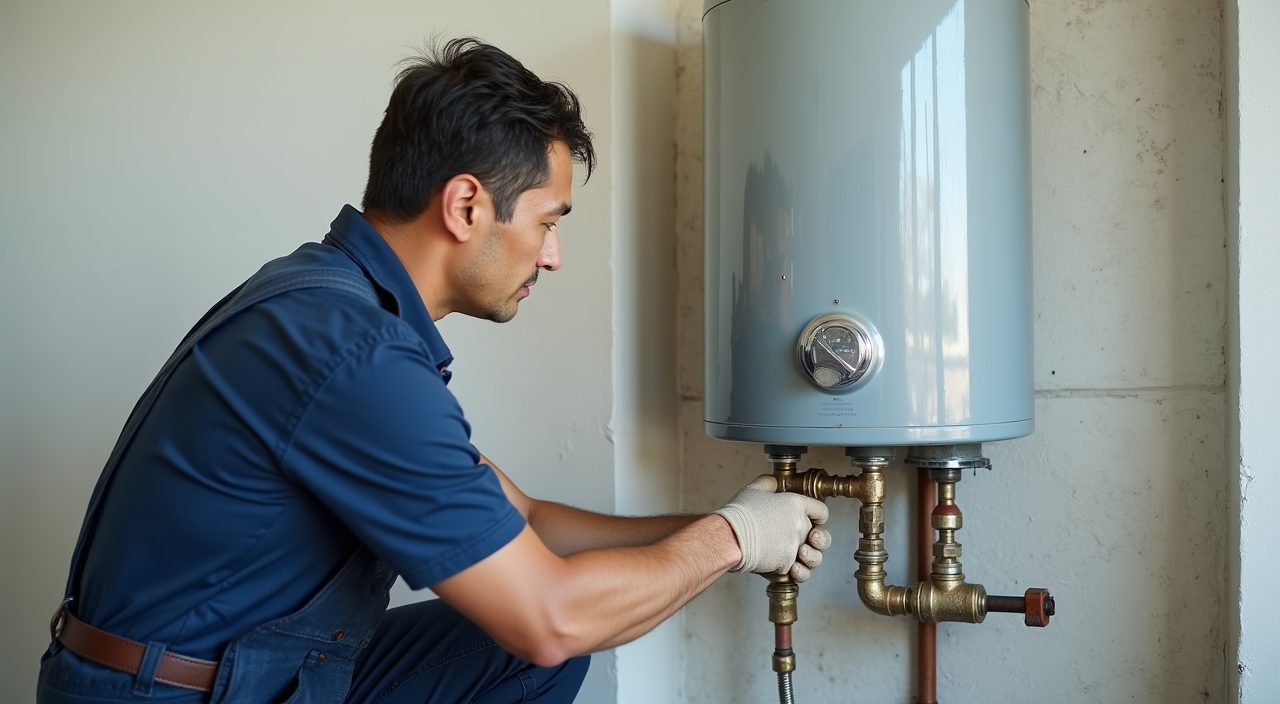
A water heater leaking from the bottom usually points to one of three things: a loose or failed drain valve, a leaking pressure relief valve, or a corroded storage tank. A drip from a valve is often a cheap fix, but water seeping from the tank body itself means the tank has rusted through and the unit needs replacing. Switch off the power at the isolator and shut the water supply first, then find where the water is actually coming from before you decide whether to repair or replace.
In Singapore, most homes use either a compact instant heater in the bathroom or a storage heater mounted above the ceiling or in a service yard. Storage tanks are the ones that leak from the bottom as they age, since mineral deposits and constant heating slowly eat away at the inner lining. The good news is that a genuine bottom leak is easy to diagnose once you know what to look at.
Why is my water heater leaking from the bottom?
The bottom of the heater is where water naturally collects and drips, so a leak showing up there does not always start there. Water from a fitting higher up can run down the casing and pool at the base, making a minor connection leak look like a tank failure. The trick is to dry everything, then watch where the first fresh drops appear.
Common sources of a bottom leak include the following:
- Drain valve: the small tap near the base used to flush the tank. It can loosen or fail to seal, and this is one of the cheapest problems to fix.
- Pressure relief valve (T&P valve): releases water when pressure or temperature gets too high. Regular dripping here can mean the valve is doing its job or that it has failed.
- Inlet and outlet connections: loose fittings or worn washers where pipes join the heater.
- The tank itself: internal corrosion that has finally rusted through the steel lining. Water weeps from the body, not a fitting, and this cannot be repaired.
How do I tell a valve leak from a tank leak?
This single question decides whether you spend a little or replace the whole unit. Wipe the base and surrounding pipes completely dry, place some tissue or kitchen paper under each fitting, then run the heater for an hour and check again.
Use this quick comparison to read the result:
- Water at the drain valve tap: usually a valve issue, often a tighten or a low-cost valve swap.
- Water dripping from the relief valve pipe: could be normal pressure release or a faulty valve, worth having checked.
- Damp fittings at the top pipe connections running down: a connection leak, not the tank.
- Water weeping from the seam or underside of the tank body with rust staining: the tank has corroded through and replacement is the only real fix.
What should I do the moment I spot a leak?
Treat any water near an electric heater as an electrical hazard first. Do not touch the unit or standing water until the power is off.
Follow these steps in order:
- Switch off the heater at the wall isolator or the dedicated breaker in your distribution board.
- Shut the water supply to the heater, usually a valve on the inlet pipe, or the main stopcock if there is no local valve.
- Dry the area and lay down towels to protect the ceiling, false ceiling, or flooring below.
- Take a photo of where the water is coming from, which helps a plumber quote accurately.
- If water is dripping into a ceiling void or onto electrical wiring, leave it off and call a professional rather than testing it further.
When should I replace the water heater instead of repairing it?
A leak from a valve or fitting is usually worth repairing. A leak from the tank body is not, because the corrosion that caused it will only spread. Once the steel lining fails, no sealant or clamp gives a lasting fix.
Lean toward replacement when several of these are true:
- Water is coming from the tank body itself, not a valve or joint.
- The heater is roughly 8 to 12 years old or older, which is a typical service life for a storage unit in Singapore.
- You see rust in the hot water or brown staining around the base.
- The unit has needed repeated repairs, or heating is slower and less consistent than before.
- The relief valve keeps dripping even after it has been replaced, which can signal wider pressure or tank problems.
Can I fix a leaking drain valve myself?
A slightly loose drain valve can sometimes be nipped up by hand with the power and water off, and that alone may stop a minor drip. If tightening does not work, the valve washer or the valve itself likely needs replacing, which is straightforward for a plumber but fiddly to do well without the right parts.
Do not attempt DIY on the tank, the relief valve, or any electrical connection. Storage heaters in Singapore are often mounted in awkward ceiling spaces with mains wiring close by, so the safe move for anything beyond a gentle tighten is to get a licensed hand in.
How do I get it repaired or replaced properly in Singapore?
If the leak is at the tank, or you are not sure what you are looking at, it is worth having a professional diagnose it before water damages your ceiling or trips your electrics. A proper assessment tells you honestly whether a valve swap will do or whether the unit is at the end of its life.
We handle water heater installation and replacement across Singapore, including removing the old unit, fitting a suitable storage or instant heater for your bathroom, and making sure the electrical isolator and plumbing connections are done safely. If your heater is leaking from the bottom, we can check whether it is a simple valve fix or a full swap, and size the right replacement for your home so you are not left guessing.
Frequently asked questions
Is a leaking water heater dangerous? It can be. Water plus mains electricity is a shock and short-circuit risk, and a slow leak into a false ceiling can cause damage and mould over time. Switch off the power at the isolator and shut the water supply as soon as you notice a leak, then get it checked.
How long does a water heater last in Singapore? A storage water heater typically lasts around 8 to 12 years, though hard use, sediment build-up, and lack of servicing can shorten that. Instant heaters can last a similar span but tend to fail electrically rather than leak from a tank.
Why is my relief valve dripping? The temperature and pressure relief valve is designed to release water when pressure builds, so occasional dripping can be normal. Constant dripping usually means the valve is faulty or there is a pressure issue, and it should be inspected rather than plugged.
Can a leaking tank be repaired? No. Once the tank body has corroded and is weeping water, sealants and clamps are only a short-term patch. The correct fix is to replace the unit, and it is safer to do it before the leak worsens.