
Water Heater Not Heating? A Step by Step Troubleshooting Guide for Singapore Homes
Water heater not heating in your Singapore home? Follow this step by step guide to check the DB switch, thermostat, heating element and when to call a licensed pro.
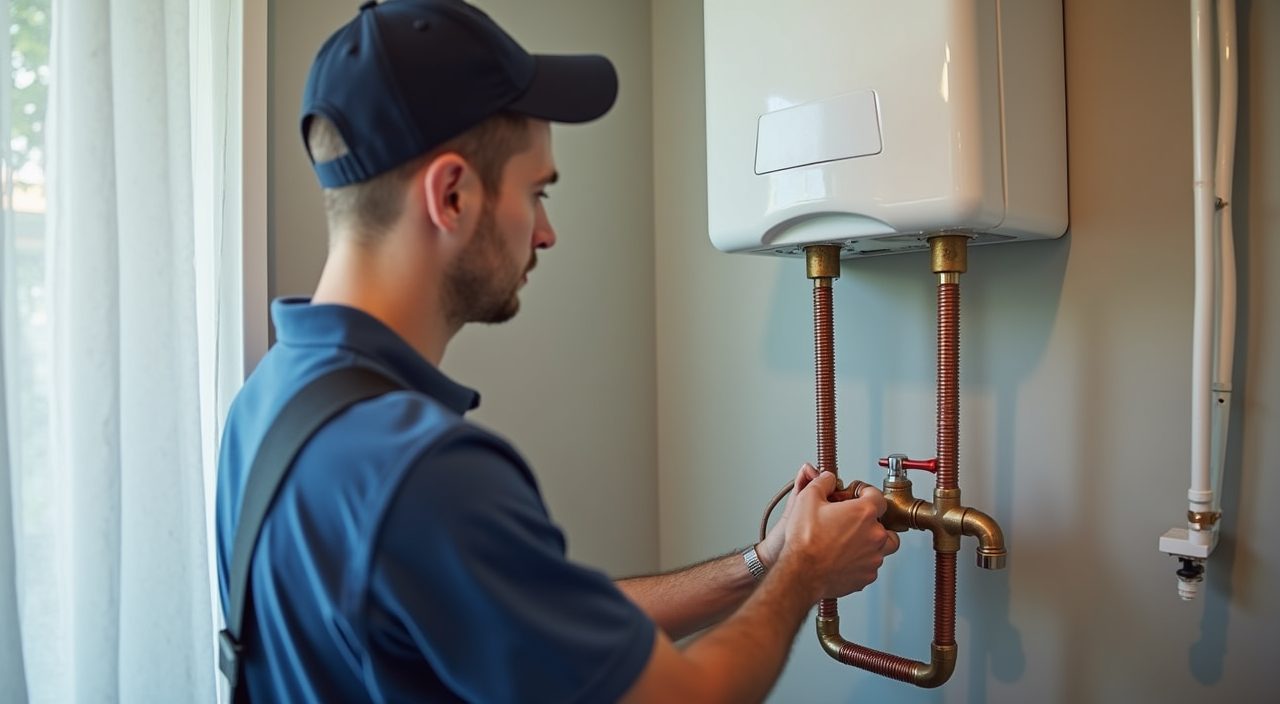
If your water heater is not heating, start with the simplest causes before assuming the unit is broken. Check that the water heater switch on your distribution board (DB) is on and has not tripped, confirm the isolator or wall switch near the heater is on, and give a storage tank at least 20 to 30 minutes to reheat after heavy use. If power is present and there is still no hot water after waiting, the most common culprits are a tripped safety cut-out, a failed heating element, or a faulty thermostat, which usually need a licensed professional to fix.
Most Singapore homes use one of two setups: an instant (tankless) heater for a single point like the shower, or a storage tank heater that holds and reheats a fixed volume of water. The troubleshooting steps overlap, but the failure points differ slightly. This guide walks you through what you can safely check yourself, what the likely faults are, and when to stop and call a professional. Because water heaters combine electricity and water, safety comes first at every step.
Why is my water heater not heating at all?
When there is zero heat, the problem is almost always electrical supply or a safety device that has cut power. Water heaters draw a lot of current, so they sit on their own dedicated circuit in the DB. If that circuit is off, tripped, or the unit's own safety cut-out has activated, the element gets no power and the water stays cold.
Work through the power path from the DB to the heater before touching anything internal. If restoring power fixes it but the heater trips again soon after, that repeated tripping is a warning sign of a fault that needs proper diagnosis, not just a reset.
- Check the DB: look for a labelled water heater breaker or switch that has flipped to the off or middle position, and reset it once.
- Check the isolator switch: many homes have a separate wall switch or pull-cord near the bathroom or heater; make sure it is on.
- Check the heater's own power indicator light: no light usually means no supply reaching the unit.
- Check for a tripped RCCB or main trip: if the whole circuit is dead, the heater may be causing an earth leakage trip, which points to an internal fault.
How long should I wait for hot water to come back?
Timing depends on your heater type. An instant heater produces hot water within seconds while the tap runs, so if it is warm at first then goes cold, or never gets warm, that is a fault rather than a waiting issue. A storage tank heater, by contrast, holds a fixed amount of hot water and needs time to reheat once it is used up.
For a typical 25 to 50 litre storage tank, a full reheat from cold usually takes around 20 to 40 minutes depending on capacity and element wattage. If your household ran back to back showers, you may simply have drained the tank faster than it can recover. Wait, then test again before assuming a breakdown.
- Instant heater: hot in seconds; no warm-up delay expected.
- Storage tank (small, 15 to 30 L): roughly 15 to 30 minutes to reheat fully.
- Storage tank (larger, 40 to 50 L): roughly 30 to 40 minutes or more.
- Still cold after a full waiting period with power on: likely a component fault.
What are the most common faults behind no hot water?
Once you have ruled out power and waiting time, a handful of internal faults account for most cases. These involve live electrical parts inside the unit and, in Singapore, electrical work of this kind should be handled by a competent person, so treat the list below as diagnosis awareness rather than a DIY repair manual.
Knowing the likely cause helps you describe the problem clearly when you call for help, which often speeds up the visit and the quote.
- Failed heating element: the element burns out over time and stops producing heat even though power is present. Very common on ageing heaters.
- Faulty thermostat: if the thermostat fails, it may stop signalling the element to heat, or trip the cut-out. Water stays cold or only lukewarm.
- Tripped thermal cut-out: a safety device that shuts the element down after overheating; it needs the underlying cause checked before reset.
- Sediment or scale build-up: mineral deposits insulate the element, reducing heat output and shortening its life.
- Wiring or connection issues: loose or corroded connections, sometimes from long term moisture in a bathroom setting.
Is it only cold in the shower, or everywhere?
Narrowing down where the problem shows up saves time. If only one outlet is cold while others are fine, the issue is likely local to that fixture or its instant heater, not your whole hot water supply. If every hot tap in the home is cold, the fault sits with the shared storage heater or its power supply.
Also check whether the water is fully cold or just not hot enough. Lukewarm water often points to a thermostat set too low, a partially failed element, or scale build-up, whereas stone cold usually means no heating at all.
- One outlet cold, others hot: suspect that point's instant heater, mixer tap or local wiring.
- All outlets cold: suspect the storage tank heater, its element, thermostat or circuit.
- Lukewarm everywhere: suspect thermostat setting, partial element failure or scale.
- Hot then suddenly cold mid-shower: suspect a small tank being drained, or an intermittent element or thermostat fault.
When should I stop and call a professional?
Anything beyond resetting a switch and waiting for reheating should go to a qualified professional. Opening the heater exposes live wiring and heating elements, and doing electrical work yourself can be unsafe and may breach the rules that require licensed electrical work in Singapore homes. If the unit repeatedly trips the DB, leaks, gives off a burning smell, or shows scorch marks, switch it off at the DB and get it inspected without delay.
For heater replacement, faulty element or thermostat changes, or a new installation, our team handles water heater installation and repair for Singapore homes, working to local electrical safety standards. Getting a competent person to diagnose the fault also protects you from replacing the whole unit when a single part is the actual problem.
- Repeated tripping after reset: stop resetting and get it checked.
- Any water leaking from the tank or pipe joints.
- Burning smell, buzzing, or visible scorching around the unit.
- Heater is old (roughly 8 years or more) and unreliable: often more cost effective to replace than repeatedly repair.
How can I prevent water heater problems in the first place?
A few habits extend the life of a water heater and reduce surprise cold showers. Storage tanks benefit from occasional draining to clear sediment, and both types last longer when installed correctly with the right isolation and earthing. Because Singapore bathrooms are humid, keeping electrical connections dry and well sealed matters.
If your heater is more than a few years old and starting to underperform, plan a replacement before it fails completely. A planned swap is cheaper and less stressful than an emergency call-out with a household full of cold water.
- Have a licensed professional service the unit periodically and check the element and thermostat.
- Flush or drain a storage tank occasionally to reduce sediment and scale.
- Do not overload the shared circuit; keep the heater on its dedicated supply.
- Replace ageing units proactively rather than waiting for a total breakdown.
Frequently asked questions
Why is my water heater tripping the DB whenever I switch it on? Repeated tripping usually means an earth leakage or short inside the unit, often from a failed element letting current leak to earth, or from moisture in the wiring. Do not keep resetting it; switch it off at the DB and have a licensed professional inspect it, since continued tripping points to a genuine fault, not a nuisance trip.
How long does a water heater last in Singapore? With normal use, many storage and instant heaters last around 8 to 12 years, though humidity, water quality and usage all affect this. Once a unit is past that range and becoming unreliable, replacement is often more sensible than ongoing repairs.
Can I fix a water heater element myself? It is strongly discouraged. The work involves live electrical parts and water, and electrical work in Singapore homes should be carried out by a competent, licensed person. A wrong repair can be dangerous and may void any warranty, so element and thermostat replacements are best left to a professional.
My water is warm but not hot, what does that mean? Lukewarm water typically points to a thermostat set too low, a partially failed heating element, or scale build-up insulating the element. Try adjusting the thermostat setting first if your unit allows it; if it stays lukewarm, arrange a professional check of the element and thermostat.