
Water Heater Servicing and Descaling: Keeping Your Unit Efficient in Singapore
A Singapore homeowner's guide to water heater servicing and descaling: how often, what it costs, warning signs, and when to service versus replace.
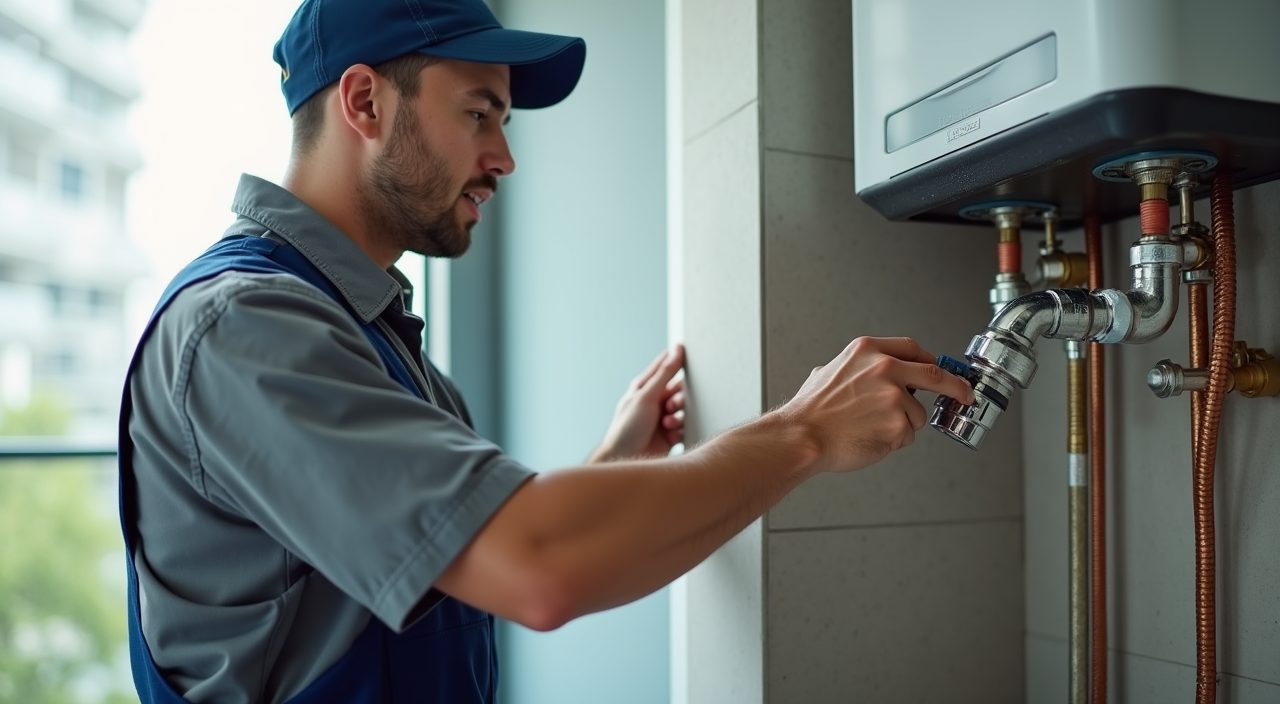
Most water heaters in Singapore benefit from a service check every one to two years, and storage tank models should have the tank flushed to clear sediment during that visit. Regular servicing keeps heating efficient, protects the internal parts, and helps you catch small faults before they become leaks or electrical hazards. Instant heaters need less internal maintenance than storage tanks, but both still need periodic safety checks.
Singapore's tap water is treated and relatively soft compared to many countries, so heavy limescale is less of a problem here than abroad. Even so, storage tanks slowly build up sediment and mineral deposits, the heating element scales over, and the sacrificial anode wears down. Left unchecked, these reduce efficiency, shorten the heater's life, and can lead to sudden failure of a unit mounted above your bathroom ceiling.
How often should you service a water heater in Singapore?
For a storage tank heater, a service and tank flush every one to two years is a sensible target. For instant (tankless) heaters, a lighter safety and function check every one to two years is usually enough, since there is no tank holding water to collect sediment.
If your home is older, the heater is more than five years old, or you have noticed any of the warning signs below, move to yearly checks.
- Storage tank heater: service and flush every 1 to 2 years
- Instant or tankless heater: safety and function check every 1 to 2 years
- Any heater over 5 years old: consider yearly checks
- After a long vacancy or a plumbing renovation: check before heavy use
What does water heater servicing actually involve?
A proper service is more than a quick look. A technician inspects the electrical connections and isolator, tests that the heater cuts off and heats correctly, and checks for any signs of leaks or corrosion around the tank and pipe joints.
For storage tanks, the job also includes draining and flushing out sediment, checking or replacing the sacrificial anode rod if fitted, and confirming the pressure relief safety valve operates freely.
- Inspect wiring, isolator switch and earth connection
- Test heating performance and the thermostat cut-off
- Flush sediment from the storage tank
- Check and, if needed, replace the anode rod
- Test the pressure or temperature relief valve
- Look for leaks, rust and worn seals at all joints
Do Singapore water heaters really need descaling?
Descaling matters most where water is hard, and Singapore's water is on the softer side, so aggressive chemical descaling is rarely the main issue here. What you are really removing from a storage tank is accumulated sediment and light mineral scale on the heating element rather than the thick limescale seen in hard-water regions.
Even light scale insulates the heating element, so the heater works harder and takes longer to reach temperature. Flushing the tank and cleaning the element during a service restores efficiency and reduces the strain that shortens element life.
What are the warning signs your heater needs attention?
Some symptoms point to sediment or scale, while others hint at an electrical or valve fault that should be checked promptly. Do not ignore any sign of water where it should not be, especially with a ceiling-mounted unit.
If you see or hear any of the following, book a check rather than waiting for the next scheduled service.
- Water takes longer than usual to heat, or runs lukewarm
- Popping, rumbling or crackling sounds from a storage tank
- Rusty, cloudy or metallic-smelling hot water
- Water dripping from the unit, pipes or ceiling access panel
- The heater trips the electrical breaker or safety switch
- Visible corrosion or staining around the tank and fittings
How much does water heater servicing cost in Singapore?
Pricing varies by heater type, location in the home, and whether parts need replacing, so treat any figure as a rough guide and confirm with a quote. A basic service or inspection is typically an affordable call-out, while a full storage tank flush costs more because of the extra labour and time.
Replacing worn parts such as a heating element, thermostat or anode rod adds to the bill, and reaching a heater tucked above a false ceiling can increase access time. Always ask whether the quote covers parts, and get the fault confirmed before agreeing to any replacement.
- Basic inspection or safety check: a modest call-out fee
- Storage tank flush and full service: higher due to labour
- Element, thermostat or anode replacement: parts on top of labour
- Awkward or ceiling-mounted access: may add time
Should you service or replace an ageing heater?
Most home water heaters last roughly eight to twelve years with reasonable care. If yours is well within that range and the fault is minor, servicing and a part swap is usually the cheaper, sensible choice.
Replace rather than repair when the tank itself is leaking, when repairs keep recurring, or when the unit is old and inefficient. A leaking tank cannot be patched reliably and, if it sits above your ceiling, a failure can cause real water damage.
Who should carry out the work?
Water heaters combine electrical wiring with a pressurised water supply, so servicing, part replacement and installation are jobs for a qualified plumber or licensed electrician, not a DIY afternoon. This is especially true for hard-wired storage tanks and any unit connected to a dedicated isolator.
If your heater is due for a service, showing warning signs, or nearing the end of its life, our team can inspect it, flush and service a storage tank, replace worn parts, or handle a full water heater installation and swap safely. Getting a professional to test the electrical side and the relief valve gives you peace of mind that the unit is safe as well as efficient.
Frequently asked questions
How often should I flush my storage water heater in Singapore? Aim for a tank flush during a service every one to two years. Flushing clears the sediment that settles at the bottom of the tank, which keeps heating efficient and protects the element.
Do instant water heaters need descaling? Instant or tankless heaters have no storage tank collecting sediment, so they need far less internal maintenance. They still benefit from a periodic safety and function check of the wiring, filter and heating performance.
Can I service my water heater myself? You can wipe the exterior and keep the area dry, but flushing the tank, replacing parts, and checking the wiring and relief valve should be left to a qualified plumber or licensed electrician because the unit combines electricity and pressurised water.
How do I know if I need a repair or a full replacement? If the tank is leaking, repairs keep recurring, or the heater is old and inefficient, replacement is usually the better value. If it is within its expected lifespan and the fault is a single worn part, a service and repair is normally enough.