
Water Heater Singapore: The Complete Buyer's Guide for HDB and Condo Homes
A practical Singapore water heater guide for HDB and condo homes: instant vs storage, sizing, safety rules, real cost ranges and installation tips.
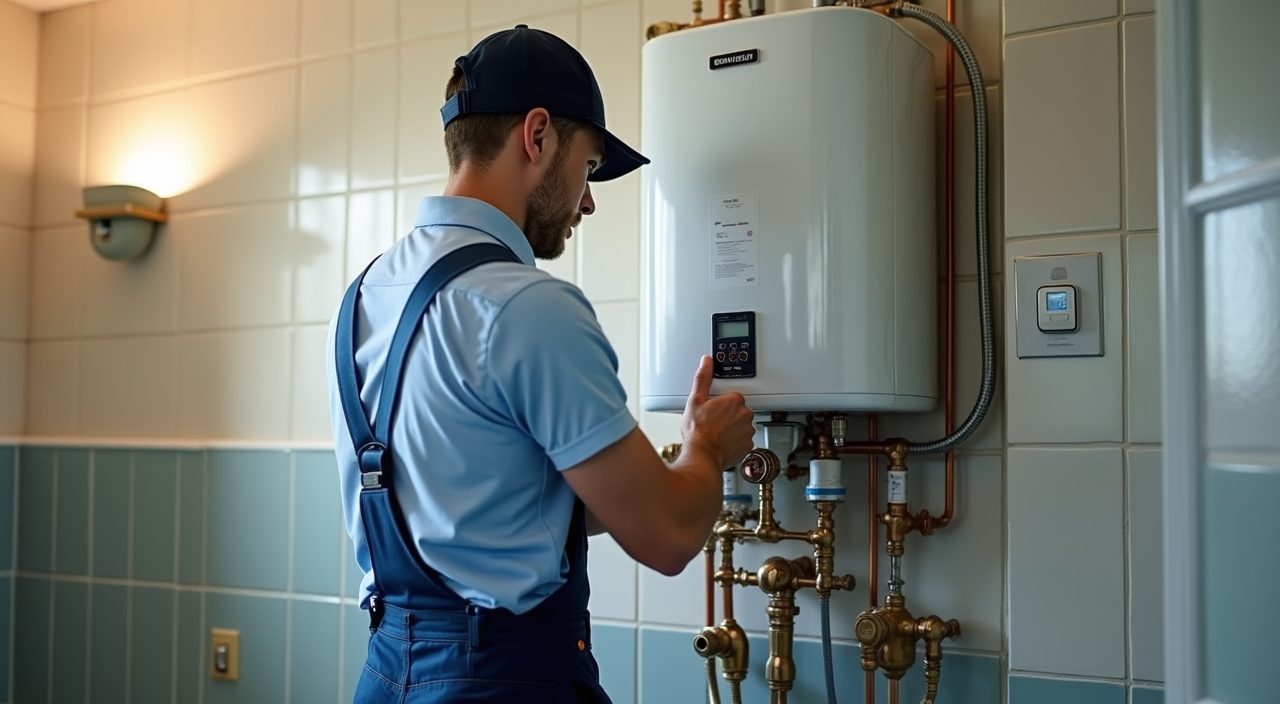
For most Singapore HDB flats and condos, the choice comes down to two types: an instant (tankless) water heater that heats water on demand at a single point, or a storage (tank) heater that keeps a reservoir of hot water ready. Instant units are compact, cheaper to buy, and popular for single-bathroom flats, while storage units deliver a steadier, higher flow that suits families and multi-outlet use. The right pick depends on how many people shower at once, your bathroom layout, and whether you want a rain shower or bathtub.
Singapore's warm climate means you rarely need a very powerful heater, unlike colder countries. That keeps running costs modest. What matters more here is safe installation, correct wiring, and choosing a unit that fits the compact spaces typical of local homes. This guide walks through the types, sizing, safety, and honest cost ranges so you can decide with confidence.
What are the main types of water heater in Singapore?
There are two common categories in Singapore homes. Instant water heaters heat water only when you turn on the tap, so there is no waiting for a tank to warm up and no standby heat loss. Storage water heaters hold a tank of pre-heated water, usually 15 to 100 litres, giving stronger and more consistent flow across taps and showers.
A third, less common option is the multipoint or centralised system, where one larger storage unit feeds several bathrooms and the kitchen. This is more typical in larger condos or landed homes than in standard HDB flats.
- Instant (tankless): compact, lower upfront cost, heats on demand, best for one bathroom and single-user showers.
- Storage (tank): steadier high flow, better for families, rain showers and bathtubs, needs space for the tank.
- Multipoint or centralised storage: one unit serves multiple outlets, suited to larger or landed homes.
Instant vs storage: which is better for my home?
Instant heaters win on space and price, and they are a sensible default for a compact HDB bathroom used by one or two people. The trade-off is flow: because they heat water in real time, the hot water flow rate is limited, so a large rain shower head or two taps running at once can leave the water lukewarm.
Storage heaters shine when you need volume: a family bathroom, a bathtub, a rain shower, or two outlets used together. The downsides are the tank taking up ceiling or wall space, a short wait for reheating once the tank runs low, and slightly higher standby energy use.
- Choose instant if: single bathroom, one or two users, standard shower head, tight space, lower budget.
- Choose storage if: family use, rain shower or bathtub, multiple outlets at once, or you dislike fluctuating temperature.
- Flow matters more than raw wattage in Singapore because incoming water is already warm.
What size or capacity do I need?
For storage heaters, capacity is the key number. A rough guide for Singapore homes: a 15 to 25 litre tank suits one person or a small ensuite, a 30 to 40 litre tank handles a couple or a family bathroom, and 50 litres or more suits a bathtub, rain shower, or heavier multi-person use.
For instant heaters, look at the power rating and the resulting flow rate rather than litres. Most residential instant units in Singapore sit around 3.3 to 9.5 kW. Higher wattage gives a warmer flow at a higher flow rate, which is what you want for a generous rain shower.
- 1 person or ensuite: 15 to 25 L storage, or a standard instant unit.
- Couple or family bathroom: 30 to 40 L storage.
- Bathtub or rain shower: 50 L or more storage, or a higher-wattage instant unit.
- Instant heaters: check kW rating and flow rate, not litres.
Are there safety and electrical rules I must follow?
Yes, and they matter. Water and electricity together make correct installation non-negotiable. Every water heater in Singapore should be on its own dedicated circuit with a residual current device (RCD) or ELCB for shock protection, and it must be properly earthed. Instant heaters draw high current, so the cabling and circuit breaker must be rated for the unit.
For any new electrical circuit or consumer-unit work tied to the heater, Singapore rules require a Licensed Electrical Worker (LEW) for the electrical side. Do not DIY the wiring. A wrongly sized cable or a missing earth is a genuine safety and fire risk, not just a warranty issue.
- Dedicated circuit with RCD or ELCB protection and proper earthing.
- Cable and breaker sized to the heater's power rating, especially for instant units.
- New or altered circuits should involve a Licensed Electrical Worker.
- Keep the heater and its isolator switch away from direct water splash zones.
How much does a water heater cost in Singapore?
Prices vary by brand, type, and features, so treat these as broad ranges rather than fixed quotes. Instant heaters typically cost less than storage units of similar quality, and pump-assisted or smart models cost more. Installation is usually charged on top of the unit price, and any new electrical circuit or piping work adds to that.
As a general guide, an instant water heater unit often lands in the low-to-mid hundreds of dollars, while storage tanks range from the mid hundreds upward depending on capacity and brand. Installation labour is commonly a separate charge, higher if new wiring, a new isolator, or repositioned plumbing is needed. Always ask for an itemised quote so you can see the unit, labour, and any electrical work separately.
- Instant heater unit: usually low-to-mid hundreds of dollars.
- Storage heater unit: mid hundreds and up, rising with capacity.
- Installation labour: charged separately; more if new wiring or piping is required.
- Ask for an itemised quote covering unit, labour and electrical work.
How do I get a water heater installed properly?
A clean installation means the right unit for your bathroom, correctly sized wiring on a protected circuit, tidy pipe connections, and a proper test before you use it. If you are replacing an old unit, a good installer will also check the existing isolator, earthing, and pipe condition rather than just swapping the box.
This is where using an experienced local team pays off. Our water heater installation service covers helping you choose between instant and storage, sizing the unit to your household, handling the plumbing and the electrical connection safely, and testing everything on completion. Booking the supply and installation together avoids the common headache of buying a heater that then does not match your circuit or space.
How long does a water heater last and when should I replace it?
A well-installed water heater in Singapore typically lasts around 8 to 12 years, though this depends on usage, water quality, and maintenance. Storage tanks can suffer internal corrosion over time, while instant heaters tend to fail at the heating element or electronics.
Replace rather than repair when you see rust-tinted water, leaks from the tank, tripping that keeps recurring, inconsistent heating, or when the unit is well past a decade old. An ageing heater that trips its breaker is also a safety signal worth acting on quickly.
- Typical lifespan: about 8 to 12 years with good installation.
- Warning signs: leaks, rusty water, repeated tripping, weak or uneven heating.
- Repeated breaker trips can indicate an unsafe fault, not just wear.
- Replacing an old unit is a good time to upgrade wiring and safety protection.
Frequently asked questions
Do I need an instant or storage water heater for a HDB flat? For a typical one-bathroom HDB flat used by one or two people, an instant heater is usually enough and saves space. If you have a family, a bathtub, or a rain shower, a storage tank of 30 litres or more gives more consistent hot water.
Is a water heater safe to install myself? The plumbing side can look simple, but the electrical connection is where the real risk lies. New or altered circuits should be handled by a Licensed Electrical Worker, and the unit must be on a protected, earthed, correctly sized circuit. It is safer and often cheaper in the long run to have supply and installation done together by professionals.
How much electricity does a water heater use in Singapore? Because incoming water here is already warm, heaters do not need to work as hard as in cold climates, so running costs are modest. Instant heaters only draw power while running, while storage heaters use a little standby energy to keep the tank warm; switching the storage unit on shortly before use helps save energy.
How long does installation take? A straightforward like-for-like replacement can often be done within a couple of hours. Jobs that need new wiring, a new isolator switch, or repositioned pipes take longer, which is why an on-site check and an itemised quote are worth requesting first.