
Weak Toilet Flush: Why It Happens & How to Fix
Weak toilet flush in Singapore? Learn the common causes, from clogged rim jets to low water level, and the fixes you can try before calling a plumber.
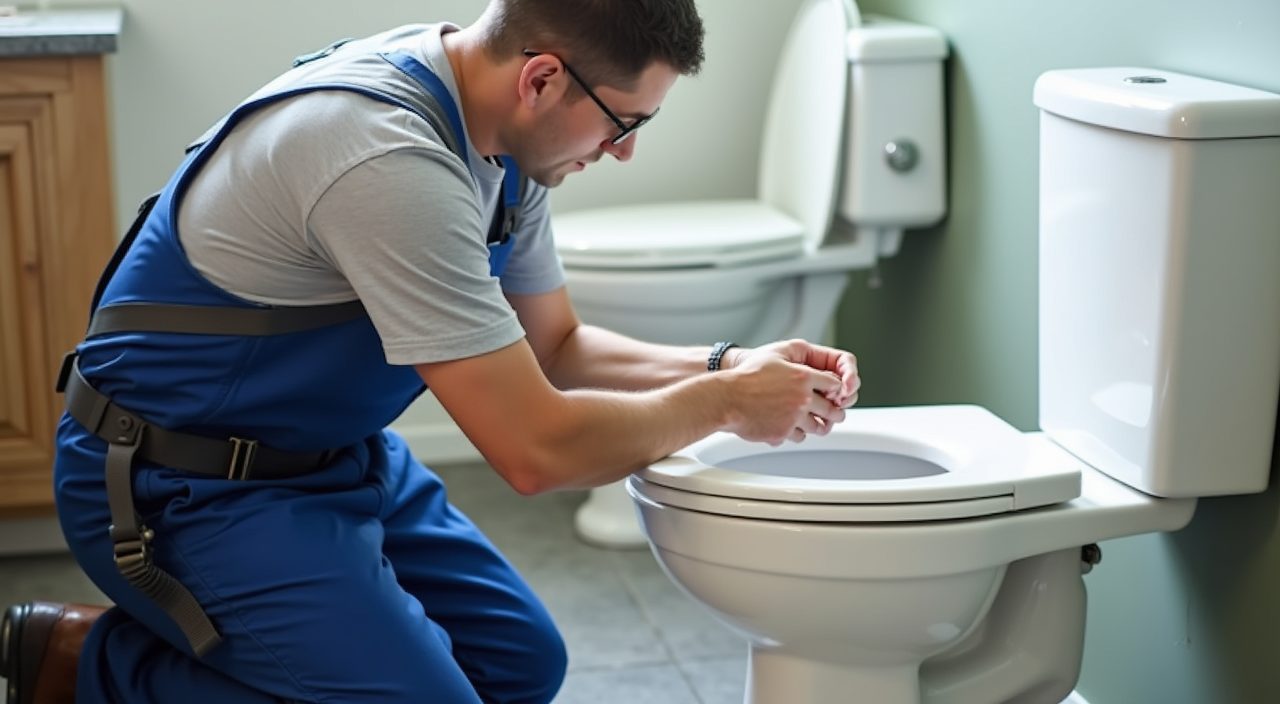
A weak toilet flush usually comes down to one of a few things: mineral scale blocking the small rim jets under the bowl rim, the water level in the cistern set too low, a partial blockage in the trap or waste pipe, or a worn flush valve or button mechanism. In most Singapore homes the cheapest fixes are cleaning the rim jets and raising the cistern water level, and both take only a few minutes. If the flush is still weak after that, the problem is likely inside the cistern or in the pipes, which is where a plumber can help.
Because Singapore water is treated and generally low in hardness, heavy limescale is less common here than in some countries. Even so, a slow build up of scale, soap residue and grit around the rim jets is one of the most frequent reasons a flush loses power over the years. This guide walks through why it happens, what you can check yourself, and when it is worth getting a professional in.
What causes a weak toilet flush?
A flush works by releasing a set volume of water quickly so it pushes waste through the trap. Anything that reduces the speed, the volume, or the flow path will make the flush feel weak. The usual suspects fall into two groups: problems inside the bowl and rim, and problems inside the cistern.
Common causes in Singapore homes include the following.
- Clogged rim jets: the small holes under the bowl rim get blocked by scale or grime, so water dribbles instead of swirling with force
- Low cistern water level: if the fill valve stops the water too low, each flush releases less water than the bowl needs
- Partial blockage in the trap or waste pipe: wet wipes, excess paper or grease can restrict flow without fully blocking it
- Worn flush valve or flapper: a valve that closes too early lets water escape before the flush finishes
- Faulty dual flush button or mechanism: a stuck or misadjusted button may only trigger the half flush
- Blocked bowl siphon: the main outlet channel at the base of the bowl can narrow over time with build up
How do I check and clean the rim jets?
The rim jets are the row of small holes on the underside of the bowl rim. Run a flush and watch how the water comes out. If it trickles from some holes or skips them entirely, they are partly blocked and that alone can make a flush feel weak.
To clear them, wear gloves and use a small mirror to see under the rim. Poke each hole gently with a thin wire or an unfolded paper clip to break up the deposit. For a deeper clean, pour a descaling solution or white vinegar along the rim so it runs into the jets, leave it for around thirty minutes to an hour, then flush and scrub. Avoid strong acids that can damage the glaze or seals.
How do I fix a low cistern water level?
Lift the cistern lid and look for the water line inside. Most cisterns have a marked fill line on the overflow tube or the tank wall. If the water sits well below that line, the flush is starting with too little water.
Adjusting it is usually simple. On a float valve, turn the adjustment screw or clip on the arm to let the water rise higher before it shuts off. On a modern fill valve with a plastic cup float, slide or turn the adjuster to raise the shut off point. Raise it in small steps and test the flush each time, but keep the level below the top of the overflow tube so the cistern does not overflow into the bowl.
Could a blockage be the real problem?
If the rim jets are clean and the water level is correct but the flush is still sluggish, suspect a partial blockage. A common sign is that the water rises higher than normal when you flush, then drains slowly. That points to a restriction in the trap under the bowl or further along the waste pipe.
A plunger with a flange that seals the outlet is the first thing to try. Give it firm, steady strokes rather than fast splashing. If a plunger does not clear it, a toilet auger, sometimes called a closet auger, can reach further into the trap. Avoid chemical drain cleaners in toilets, as they are made for sink drains and can sit in the trap without helping while damaging seals.
When should I call a plumber?
Some jobs are beyond a quick DIY fix, and pushing on can make things worse. Call a professional if the flush stays weak after you have cleaned the jets, corrected the water level and tried a plunger, or if you notice water pooling around the base of the toilet, which can signal a failed wax seal or a cracked bowl.
In Singapore, a plumber can also diagnose issues you cannot see, such as a worn flush valve, a hairline crack, a scaled up siphon or a blockage deep in the soil stack shared by the building. For anything involving toilet repair and installation, a licensed plumber can replace the flush mechanism, reseat the toilet, or fit a new unit correctly, which matters in HDB flats and condos where a leak can reach the unit below. If your toilet is old and flushes poorly even after servicing, replacing it with a modern water efficient model is often the more sensible long term choice.
How can I keep the flush strong over time?
A little routine care goes a long way. Cleaning under the rim regularly stops scale and grime from building up in the jets, and checking the cistern water level once in a while catches a drifting fill valve early.
A few simple habits help avoid weak flushes and blockages.
- Only flush toilet paper and waste; keep wet wipes, cotton buds and sanitary items out of the bowl even if a product claims to be flushable
- Descale under the rim every few months so the jets stay open
- Check the cistern water line occasionally and readjust if it has dropped
- Fix a running or slow filling cistern promptly, since it often points to a worn valve that also weakens the flush
Frequently asked questions
Why is my toilet flush suddenly weak? A sudden drop in flush power usually means something changed at once, such as a fill valve that slipped and lowered the water level, a flush button or valve that has started sticking, or a fresh partial blockage from too much paper or a wet wipe. Check the cistern water level first, then try a plunger.
Can a weak flush fix itself? No. A weak flush is a sign of a physical cause like scale, a low water level, a worn part or a blockage, and it will not improve on its own. It tends to get worse as build up continues, so it is better to check the common causes early.
Is a weak flush a plumbing emergency? On its own, no, but do not ignore it. If a weak flush comes with water leaking around the base, a bad smell, or backing up into the bowl, treat it as urgent and get a plumber, since these can point to a failed seal or a blockage in the shared waste pipe.
Does water pressure affect the flush? For most gravity cisterns, mains pressure only affects how quickly the tank refills, not the flush force itself, since the flush is powered by the stored water falling into the bowl. If the tank refills very slowly, though, back to back flushes will feel weak because the cistern has not filled up again.