
Why Your Singapore Ceiling Leaks Only When It Rains: Diagnosing Monsoon Water Ingress From the Unit Above
A Singapore homeowner's guide to why ceiling leaks appear only in heavy rain, how to trace the source, and what the law says about the unit above.
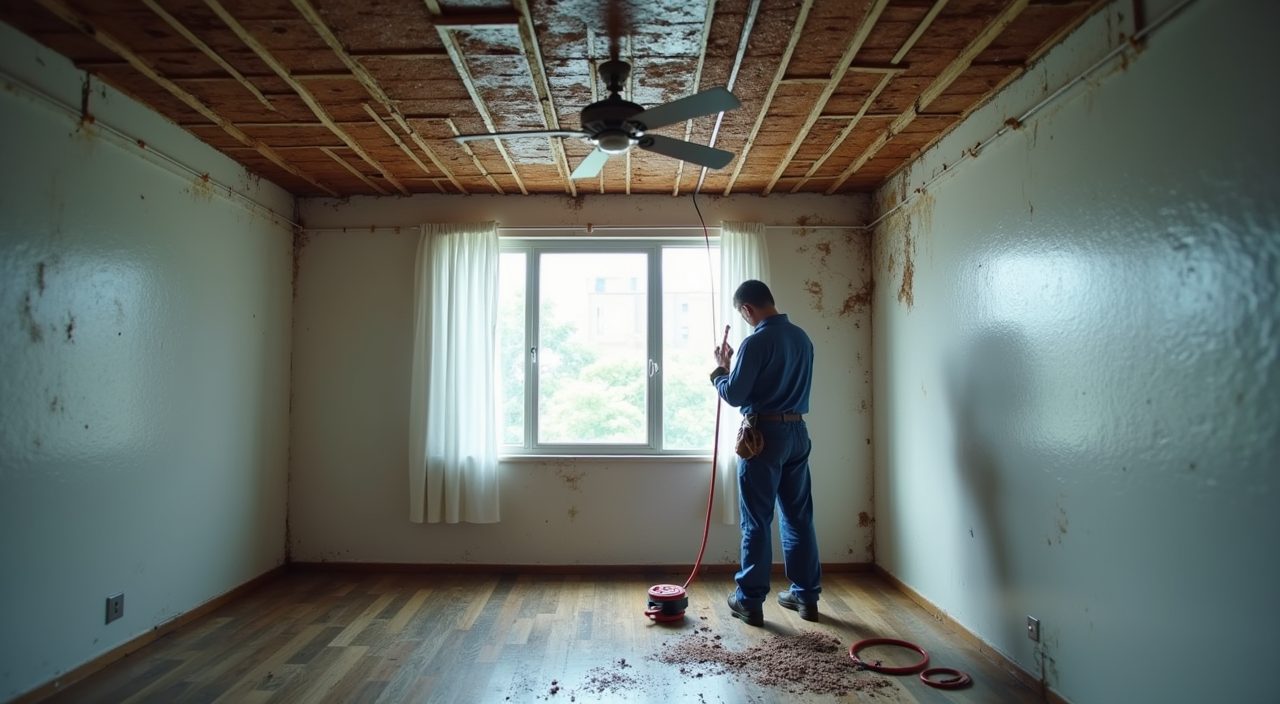
A ceiling that drips only during heavy rain almost always points to rainwater finding a path in from outside or from a wet area above your unit, not from an everyday internal pipe. In Singapore that usually means a failed external wall or window seal, a cracked or ponding roof or rooftop planter, a clogged balcony or service-yard floor trap, or degraded waterproofing in the bathroom of the unit directly above yours. Because the water only shows up when it rains, the leak is driven by weather, so the fix lies in finding where the storm water is entering and sealing that path.
This pattern matters because it separates two very different problems. A pipe leak leaks all the time, wet or dry. A rain-only leak is an ingress problem tied to the north-east and south-west monsoon seasons, when Singapore gets its heaviest, most wind-driven downpours. Getting the diagnosis right decides who is responsible, whether it is your problem or your upstairs neighbour's, and whether you need a plumber, a waterproofing specialist, or a conversation with your neighbour and the MCST.
Why does the leak only appear when it rains?
Rain-only leaks are pressure and volume events. During a monsoon squall, water pools on flat surfaces, runs down external walls, and is driven sideways by wind against windows and facade joints. Any gap, hairline crack, or worn sealant that stays dry in normal weather suddenly has standing or wind-blown water pushing against it, and that is when it seeps through to your ceiling.
There is also a timing clue worth noting. If the stain appears within minutes of rain starting, the entry point is likely close by, such as your own window, balcony, or an external wall. If it shows up hours after the rain stops, water is probably tracking slowly through a screed or slab from further away, which points more toward the unit above or a shared structure.
- Leak starts fast during rain: check your own windows, balcony, aircon ledge, and external wall seals first.
- Leak appears hours later or keeps dripping after rain: suspect slow tracking from the floor or bathroom above.
- Leak is worse in wind-driven rain from one direction: a facade or window joint on that side is the likely culprit.
- Leak only in the wettest months: consistent with monsoon ingress rather than a constant pipe leak.
What are the most common sources in a Singapore flat or condo?
In local HDB flats and condominiums, rain-driven ceiling leaks cluster around a handful of usual suspects. The building envelope and shared wet areas take most of the blame, and the exact source changes depending on whether you are on a top floor, a middle floor, or next to an external wall.
Working through these in order of likelihood saves you money, because the cheap checks rule out the expensive ones.
- Failed window or facade sealant: aged silicone around window frames lets wind-blown rain seep in along the top of the wall.
- External wall cracks or spalling concrete: hairline cracks channel rainwater through to the internal ceiling.
- Top-floor roof or gutter issues: ponding on a flat roof, blocked rooftop drains, or a cracked rooftop planter box above your unit.
- Balcony or service-yard floor trap blockage: leaves and debris block the outlet, water backs up, and it soaks through the floor to the ceiling below.
- Upstairs bathroom waterproofing failure: rain raises humidity and water tables in wet areas, exposing already-degraded membrane in the unit above.
- Aircon ledge and condensate drain: a blocked or wrongly graded ledge lets rain pool and track inward.
How do I trace whether it is my unit or the one above?
Start with a simple dry-versus-wet test. Note whether the ceiling ever leaks when it has not rained for a couple of days but someone upstairs is showering, mopping, or running the washing machine. If it stays dry during heavy internal water use but leaks during rain, the source is weather-driven ingress, and the unit above may not be at fault at all.
Next, map the stain to what is directly above it. If the wet patch sits under the upstairs bathroom, kitchen, or service yard, the floor waterproofing above is a strong candidate. If it sits along an external wall, under a window, or near the ceiling edge, the building envelope is more likely, and that is often common property that the MCST or town council should handle.
- No rain, heavy upstairs water use, no leak: points to external ingress, not the neighbour's pipes.
- Rain plus stain under a wet area above: suspect the upstairs floor or bathroom waterproofing.
- Stain hugging an external wall or window: suspect facade, window seal, or common-property structure.
- Persistent uncertainty: a moisture meter and, if needed, a controlled water test by a professional will confirm the path.
Who is responsible for the repair in Singapore?
Responsibility depends on where the water enters. For HDB flats, the Building Maintenance and Strata Management framework and HDB's own guidance treat ceiling leaks between floors as a shared matter: the upper-floor and lower-floor owners are generally expected to share the cost of investigation and repair on a co-operative basis, since the waterproofing sits within the ceiling and floor slab between the two units. HDB offers a Goodwill Repair Assistance scheme for eligible cases to help defray the cost.
For condominiums under a MCST, leaks from common property such as external walls, the roof, and facade joints are the management corporation's responsibility, while leaks originating inside a private lot are the owner's. If your neighbour refuses to co-operate, the Building and Construction Authority runs a Section 101 process and the Strata Titles Board can help resolve inter-floor leak disputes. Keep dated photos and rainfall records, since they support your case.
- Inter-floor waterproofing between two HDB units: usually cost-shared between upper and lower owners.
- Condo common property (external wall, roof, facade): the MCST's responsibility.
- Inside a private condo lot: the owner of that lot.
- Dispute you cannot settle: BCA and the Strata Titles Board provide a formal path for inter-floor leaks.
Can I do anything myself before calling a professional?
You can and should do the safe, non-invasive checks first, because they narrow the problem and lower your eventual repair bill. Clear your own balcony and service-yard floor traps of leaves and debris, since a blocked outlet is a common and cheap cause. Inspect visible window sealant for gaps, and photograph the ceiling stain during and after rain to build a timeline.
Do not, however, start hacking open ceilings, drilling into slabs, or attempting to re-waterproof a shared floor yourself. Inter-floor waterproofing needs proper membrane systems and often access to the unit above, and a botched DIY seal can trap moisture and make the eventual professional repair harder. Turn off and dry out any electrical fittings near the wet patch, because water tracking into ceiling light points is a real shock and fire risk.
When should I get a plumber or waterproofing specialist involved?
Call in a professional once the easy checks have not stopped the leak, once the stain is spreading, or once water is reaching light fittings and power points. A qualified plumbing and waterproofing team can run a controlled ponding or water test to pinpoint the exact entry path, distinguish a pipe leak from rain ingress, and apply the correct membrane or sealant system rather than a cosmetic patch. This is the point where professional plumbing and waterproofing work pays for itself, because guessing wrong means paying twice.
If you would like the source traced and sealed properly, our team handles inter-floor leak diagnosis, external wall and window sealing, and bathroom and balcony waterproofing across Singapore. We can test the ingress path, coordinate access with the unit above where needed, and give you a clear scope before any hacking begins, so you fix the actual cause once rather than repainting a ceiling that leaks again next monsoon.
Frequently asked questions
Is a rain-only ceiling leak always the upstairs neighbour's fault? No. Because it only happens in rain, the water is often entering from outside through an external wall, window seal, roof, or balcony, which may be your own responsibility or common property rather than your neighbour's pipes. Trace the source before assigning blame.
How long does it take for a monsoon leak to show up after rain starts? It varies. A stain that appears within minutes usually means a nearby entry point such as a window or external wall, while a stain that appears hours later suggests water is slowly tracking through a screed or slab from the floor or unit above.
Will simply repainting the ceiling fix the stain? No. Paint or a skim coat only hides the mark, and the water will return with the next heavy rain. You must find and seal the entry path, whether that is sealant, external wall repair, a cleared floor trap, or new waterproofing membrane, before any cosmetic repair.
Does HDB help with inter-floor leak costs? In eligible cases, yes. HDB's Goodwill Repair Assistance scheme can co-fund investigation and repair for inter-floor leaks between HDB units, and owners are generally expected to share the cost co-operatively. Keep dated photos and records to support any claim or dispute.