
Acrylic vs Laminate Cabinet Doors: Which Finish Is Worth the Extra Money?
Acrylic vs laminate cabinet doors compared for Singapore homes: cost, durability, glossy looks, humidity and which finish is genuinely worth paying more for.
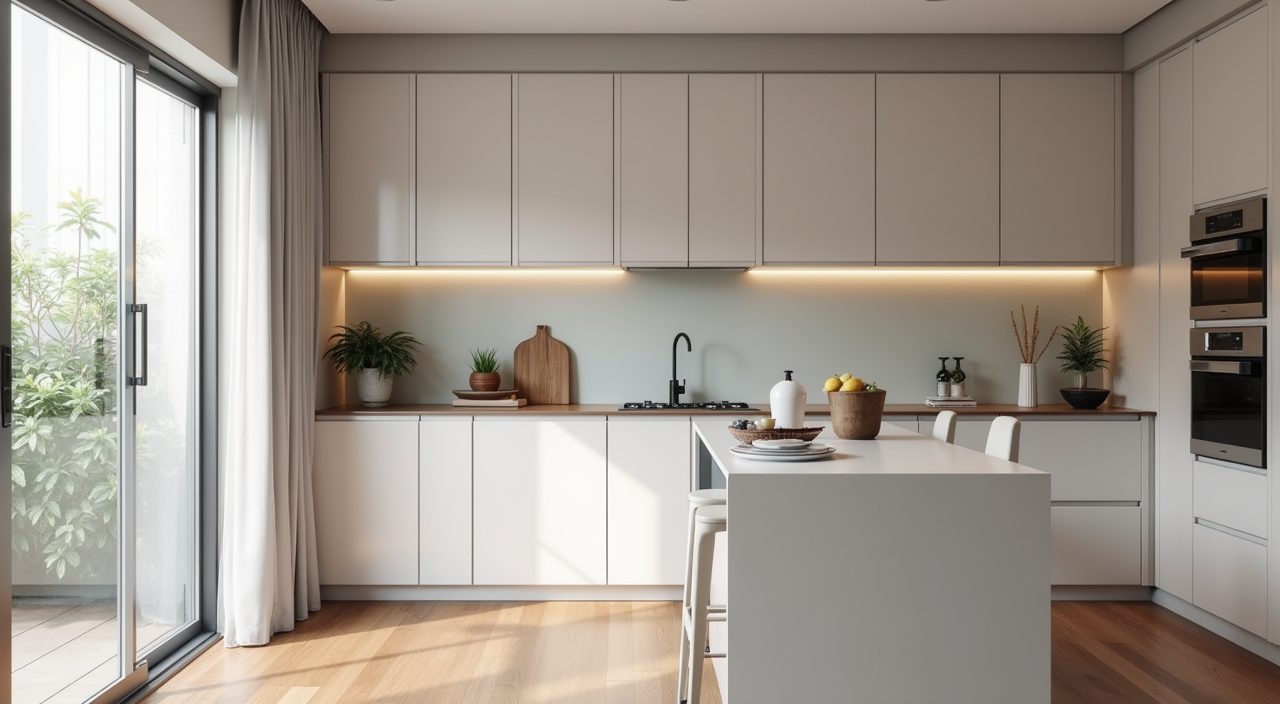
Acrylic cabinet doors give a deep, glass-like gloss and a premium feel, but they cost more and scratch or smudge more easily. Laminate is cheaper, tougher against daily knocks and comes in far more finishes, including matte and woodgrain. For most Singapore homeowners, laminate is the sensible default; acrylic is worth the extra money only when you specifically want that high-gloss, seamless look and you are willing to maintain it.
Both are surface finishes bonded onto a board core, usually plywood, MDF or moisture-resistant MDF. The core matters as much as the finish, especially in a humid climate where kitchens and wet areas take a beating. Below is how the two compare on the things that actually affect a Singapore kitchen or wardrobe.
What is the difference between acrylic and laminate?
Laminate is a thin decorative sheet (paper layers soaked in resin, or a PVC/PET film) pressed onto the board. It comes in matte, gloss, textured woodgrain and hundreds of colours, and it is the everyday workhorse finish in Singapore carpentry.
Acrylic is a coloured acrylic (PMMA) sheet with a hard clear top layer, giving a reflective, mirror-like surface with real depth. High-gloss acrylic reads more like lacquer or glass than a printed sheet, which is why it looks more expensive.
Which one looks better?
This is mostly taste, but the finishes shine in different situations. Acrylic wins for glossy, seamless, modern kitchens where you want light bounced around and a clean high-end feel. Laminate wins for variety, texture and matte or woodgrain looks that hide fingerprints.
Keep in mind the trade-off that comes with gloss.
One honest point: any high-gloss surface, acrylic or gloss laminate, shows fingerprints, dust and fine scratches more than a matte finish, especially in dark colours.
- Acrylic: deep glossy colour, reflective, premium, limited to solid-ish colours
- Gloss laminate: glossy but flatter looking, cheaper, wide colour range
- Matte laminate: hides marks best, soft modern look, very forgiving
- Woodgrain laminate: realistic timber effect that acrylic cannot match
Which is more durable in Singapore's humidity?
Laminate is the tougher surface for daily abuse. It resists scratches, minor knocks and heat better, which is why it is popular for busy family kitchens. Acrylic scratches more easily and, on a glossy face, those scratches are more visible.
For humidity, the finish is only half the story. What protects your cabinet from swelling and delamination is the core board and the edge sealing. In Singapore, insist on moisture-resistant plywood or moisture-resistant MDF for anything near water, and make sure edges and cut-outs are properly sealed. A premium acrylic face on a cheap swelling core is a bad deal.
How much more does acrylic cost than laminate?
Acrylic is typically the pricier finish; as a rough guide it often runs around 20 to 40 percent more than a comparable laminate door, though the exact gap depends on brand, colour, thickness and your carpenter. Solid-surface or true lacquer finishes usually cost even more than acrylic.
Because carpentry in Singapore is often quoted per running foot or per whole job rather than per door, the finish is one line item among many. Core board quality, hardware (hinges and soft-close runners), and design complexity can move the total more than the acrylic-versus-laminate choice alone.
- Laminate: most budget-friendly, widest choice
- Acrylic: mid-to-upper tier, premium gloss
- Solid surface / true lacquer / sintered stone fronts: usually most expensive
Where should you use each finish?
A practical approach is to mix finishes by zone rather than picking one for the whole home. Use the hard-wearing option where life is messy and save the premium finish for feature surfaces at eye level.
This mix keeps the budget sensible while still giving you the glossy statement where it counts.
- Kitchen base cabinets and heavy-use doors: laminate for durability
- Kitchen upper doors or an island front: acrylic if you want a gloss feature
- Wardrobes and bedroom carpentry: either works; matte laminate is low-maintenance
- Wet or splash-prone zones: prioritise moisture-resistant core and good edging over the finish
How do you get accurate pricing for your cabinets?
The only reliable way to compare acrylic and laminate for your home is a quote based on your actual layout, core board choice and hardware, not a per-door figure online. If you want a clear breakdown of what each finish costs for your kitchen or wardrobe, our team can measure up and give you honest pricing so you can see the real gap before deciding.
When you ask, request the core board type, the finish brand, the edging method and the hardware in writing. A transparent quote makes it easy to see whether the acrylic upgrade is a small premium worth paying or a large jump you would rather skip.
Frequently asked questions
Is acrylic worth the extra money? It is worth it if you specifically want a deep, glass-like gloss and you are happy to wipe fingerprints and treat the surface gently. If you want low maintenance, more colours or a matte or woodgrain look, laminate gives better value.
Does acrylic scratch easily? More easily than laminate, yes, and scratches show up more on its glossy face. Avoid abrasive pads and grit; clean with a soft cloth and mild soapy water.
Which is better for a humid Singapore kitchen? Laminate is generally more forgiving day to day, but the bigger factor is the core board. Use moisture-resistant plywood or MR MDF with well-sealed edges for any cabinet near water, whichever finish you pick.
Can I mix acrylic and laminate in one kitchen? Yes, and it is a smart, common approach. Many homeowners use durable laminate on base and high-use doors and reserve acrylic for a feature area like upper cabinets or an island.