
Tiles vs Vinyl for Your HDB Floor: Cost, Durability and Resale Value
Tiles vs vinyl flooring for your HDB flat: honest Singapore cost ranges, durability in humid weather, and what actually helps resale value.
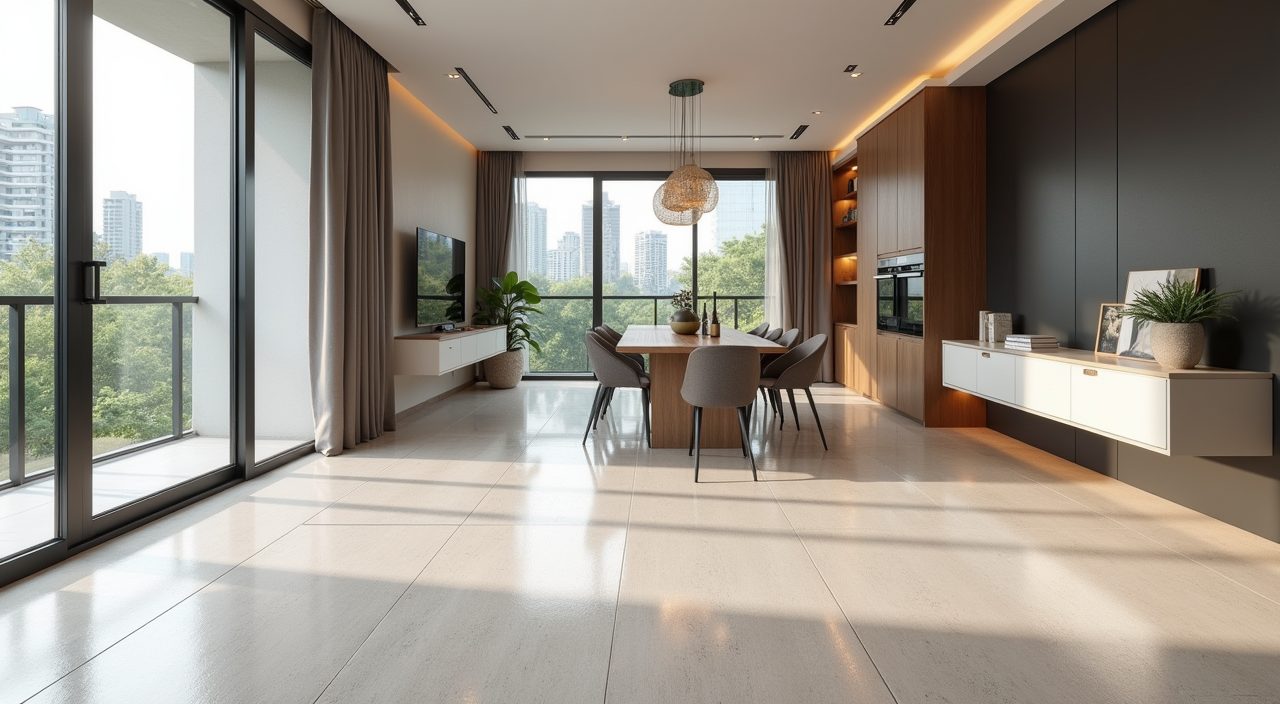
For most HDB flats in Singapore, tiles cost more upfront and last longer, while vinyl is cheaper, faster to lay, and warmer underfoot. Tiles suit wet areas and buyers who want a permanent finish; vinyl suits budget-conscious owners who want a quick refresh, especially over existing tiles. Neither dramatically raises resale value on its own, but a clean, well-installed floor of either type helps a flat show well.
The right choice depends on your budget, how long you plan to stay, and whether you are laying over the original developer tiles or ripping everything out. This guide breaks down real Singapore price ranges, how each material holds up in our humidity, and what genuinely matters when you eventually sell.
What is the real cost difference in Singapore?
As a rough guide for HDB work, expect vinyl flooring (SPC or LVT click-lock) to land around SGD 4 to 9 per square foot supplied and installed, and tiles (homogeneous or porcelain) around SGD 6 to 15 per square foot, before adding the cost of hacking and disposal. Prices swing with material grade, brand, and how much prep the subfloor needs, so treat these as starting ranges, not quotes.
The bigger hidden cost with tiles is hacking. Removing old tiles, screeding, and disposing of debris can add a few thousand dollars to a whole-flat job. Vinyl often skips that step because it can be laid straight over sound existing tiles, which is a large part of why it looks cheaper on paper.
- Vinyl (SPC/LVT): roughly SGD 4 to 9 psf installed, faster labour, minimal hacking
- Tiles (homogeneous/porcelain): roughly SGD 6 to 15 psf installed, plus hacking and screeding
- Hacking and disposal for tiles can add meaningful cost to a full-flat job
- Lay-over-tiles vinyl avoids most of that prep cost
Which lasts longer in Singapore's humidity?
Tiles win clearly on lifespan. Good porcelain or homogeneous tiles can last 20 years or more, shrug off water, and are unbothered by our humidity. They are the standard for kitchens, bathrooms, and service yards precisely because they handle constant moisture without swelling or lifting.
Quality vinyl (especially SPC, which has a rigid stone-plastic core) is water-resistant and handles daily living well, with a typical usable life of around 10 to 20 years depending on grade and traffic. The weak point is not the plank itself but the edges and adhesive: standing water can seep into seams, and cheaper glue-down vinyl can lift at corners over time in a hot, humid flat.
- Tiles: 20+ years, fully waterproof, best for wet areas
- SPC vinyl: water-resistant, roughly 10 to 20 years, good for living and bedrooms
- Vinyl weak spots: seams, edges, and adhesive rather than the surface
- Avoid full vinyl in bathrooms and open service yards; tiles are safer there
How do they compare on comfort, noise and feel?
Vinyl is warmer and softer underfoot, quieter to walk on, and more forgiving if you drop a glass or a child takes a tumble. It also does not get that cold, hard feel that tiles have, which some owners prefer and others do not notice in our climate.
Tiles are harder and cooler, which many Singaporeans actually like in the heat, but they are less forgiving and can feel noisy. Both can be slippery when wet, so for bathrooms choose a matte or textured anti-slip tile rather than polished.
Which is easier to install and repair?
Vinyl is the faster, less disruptive option. Click-lock planks can often be installed in a day or two per flat with little dust, and a damaged plank can sometimes be swapped out individually. That speed matters if you are living in the flat during renovation.
Tiling is slower, dustier, and noisier, and once tiles are set they are permanent. Repairs mean hacking out the damaged tile and hoping you kept spares that still match. On the flip side, a professionally screeded and tiled floor is rock solid and rarely needs attention for years.
Which adds more resale value to an HDB flat?
Be realistic: flooring rarely returns its full cost when you sell an HDB flat. Buyers value a floor that looks clean, neutral, and move-in ready far more than they value the specific material. A tidy vinyl floor in good condition can present just as well in listing photos as tiles.
Where material matters is perception of permanence. Some buyers see tiles as the more durable, built-in finish and vinyl as a cosmetic layer, which can matter for older buyers or higher-value flats. If you are renovating mainly to sell soon, spend on making the whole flat feel bright and cohesive rather than over-investing in premium flooring you will not recoup.
- Neutral, well-kept floors help resale more than the material label does
- Tiles can read as more permanent to some buyers, useful for higher-value flats
- Vinyl photographs well and appeals to buyers wanting a ready-to-move-in look
- Do not expect full cost recovery on flooring alone when selling
Do I need HDB permission or a contractor?
Overlaying vinyl on existing floors is generally light work, but hacking original tiles, changing floor finishes in wet areas, or waterproofing works can fall under HDB renovation guidelines and often require an HDB-registered renovation contractor and the correct permit. Wet-area waterproofing in particular should be done properly to avoid leaks to the unit below.
Because rules and timelines depend on your flat type and the exact scope, it is worth getting a proper site assessment before committing. If you want a firm figure for your flat, our team can walk the space, confirm what needs hacking or waterproofing, and put together transparent pricing so you can compare tiles against vinyl on real numbers rather than guesses.
Frequently asked questions
Can I lay vinyl over my existing HDB tiles? Yes, in most cases quality click-lock vinyl can be installed directly over sound, level existing tiles, which saves on hacking and disposal. The tiles must be firmly bonded and reasonably flat first, so any hollow or cracked tiles should be addressed before laying.
Is vinyl safe for HDB bathrooms and kitchens? For kitchens, good vinyl can work in dry cooking zones, but for bathrooms and open service yards tiles are the safer, fully waterproof choice. Standing water and constant wetness eventually find the seams in vinyl.
Which is cheaper overall, tiles or vinyl? Vinyl is usually cheaper installed, mainly because it often avoids hacking, screeding, and disposal. Once you factor those prep costs in, tiles can cost noticeably more for a whole-flat job.
Will new flooring help me sell my flat faster? A clean, neutral, well-installed floor of either type helps a flat show better and feel move-in ready. The specific material matters less to most buyers than the overall condition and how bright and cohesive the flat looks.