
Condo Renovation & MCST Approval Process
A Singapore homeowner's guide to condo renovation and MCST approval: permits, hacking rules, timelines, deposits and how to keep your reno on track.
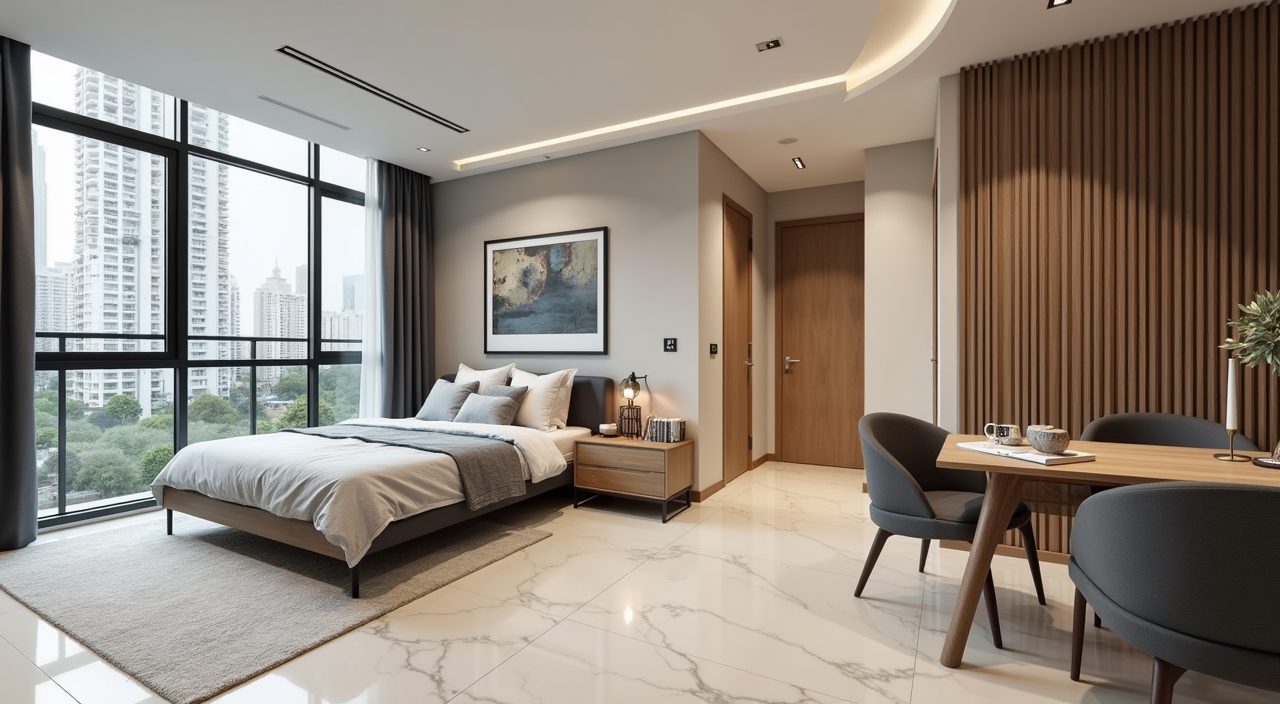
To renovate a condo in Singapore, you almost always need written approval from your MCST (the management corporation that runs your development) before any work begins. You submit a renovation application to the managing agent with your contractor's details, a scope of works, drawings for major changes and the required deposit, then wait for the go-ahead, which usually takes a few days to two weeks depending on the development.
This is different from an HDB flat, where you deal directly with HDB and the town council. In a condo the MCST sets its own house rules on top of national regulations, so approved working hours, protection requirements, permitted contractors and what you can and cannot alter are decided at the estate level. Getting the paperwork right first is what keeps your project from being stopped halfway.
What is the MCST and why does it control your renovation?
MCST stands for Management Corporation Strata Title. It is the legal body made up of all the owners in a strata development, and it is responsible for the common property: corridors, lifts, facade, structural walls, roofing, external pipes and the building's shared systems. Day to day it is usually run by an appointed managing agent.
Because renovation work can affect the structure, waterproofing, drainage and neighbours, the MCST enforces by-laws that protect the building and other residents. Your unit's interior is yours, but anything that touches common property or could cause disturbance falls under MCST oversight, which is why approval is not optional.
What is the MCST approval process step by step?
The exact form differs by development, but the sequence is broadly the same across Singapore condos. Start early, because the approval and deposit steps often take longer than owners expect.
Build in buffer time before your planned start date, especially in older or stricter estates where the council reviews applications less frequently.
- Collect the renovation application form and house rules from the managing agent or condo portal.
- Submit your contractor's company details, workers' particulars and, for major works, drawings or a layout plan.
- Pay the renovation deposit and any administrative fee.
- Wait for written approval or a permit before any work or hacking starts.
- Register your contractor and workers for access passes and vehicle or loading bay bookings.
- Complete the work within the approved period and arrange a joint inspection for the deposit refund.
How much is the renovation deposit and what fees apply?
Most condos require a refundable renovation deposit held by the MCST to cover any damage to common property. Typical amounts range from around a thousand to a few thousand dollars, with higher-end or larger developments sometimes asking for more. The deposit is returned after works are done and a joint inspection confirms no damage.
On top of the deposit you may face a small non-refundable administrative or processing fee, and some estates charge for debris removal, bulky waste disposal or additional access passes. Ask the managing agent for the full fee schedule up front so nothing catches you by surprise.
What can and cannot be changed in a condo unit?
Inside your unit you generally have freedom over finishes, cabinetry, non-structural partitions, flooring and fittings. The restrictions kick in where work affects the structure, waterproofing or the appearance and function of common property.
When in doubt, check with the managing agent before committing to a design, because reversing unauthorised work is far more expensive than getting approval first.
- Structural elements such as columns, beams and structural walls cannot be hacked or altered, and full slab hacking is prohibited.
- Bathroom and balcony waterproofing must be preserved or professionally re-done, since leaks affect the unit below.
- Window frames, grilles and the external facade usually must match the approved development standard and may need separate approval.
- Gas, main electrical and common water or drainage points have strict rules and often require licensed tradespeople.
- Air-conditioner ledges and external condenser positions are typically fixed by the building design.
Do you still need government permits on top of MCST approval?
Yes, MCST approval does not replace national regulations. Structural alterations require a Professional Engineer and may need BCA submission, electrical work above a certain scope must be done or endorsed by a Licensed Electrical Worker, and plumbing connected to the public sewer or water supply falls under PUB rules requiring a licensed plumber.
Reputable contractors handle these submissions as part of the job, but the responsibility ultimately sits with you as the owner. Confirm in writing who is filing what before work starts so approvals do not fall through the cracks.
What are the typical working hours and timeline?
Condos restrict renovation to specific hours to limit noise for residents. Common windows are roughly 9am to 5pm or 6pm on weekdays and shorter hours on Saturdays, with noisy or hacking works often limited to a narrower slot. Sundays and public holidays are usually off limits, and no drilling or hammering is allowed outside the approved times.
A cosmetic refresh might take two to four weeks, while a full renovation with hacking, rewiring, new plumbing and built-in carpentry commonly runs six to twelve weeks. The restricted hours mean condo projects can take longer than an equivalent landed or HDB job, so plan your move-in date with margin.
How can a contractor make MCST approval easier?
An experienced renovation team that regularly works in condos will already know how to prepare a compliant application, produce the drawings the council wants and coordinate deposits, access passes and inspection schedules with the managing agent. That familiarity often shaves days off the approval stage and avoids rejected submissions.
If you would like help planning your condo renovation and steering it through the MCST process, our condo renovation service can manage the paperwork, the licensed electrical and plumbing works and the build itself, so approval and construction move in step rather than one holding up the other.
Frequently asked questions
How long does MCST renovation approval take? It varies by development, but expect anywhere from a few working days to about two weeks. Estates where the council meets less often, or where structural drawings need review, can take longer, so submit your application well before your intended start date.
Can I use any contractor I want in a condo? Usually yes, but some MCSTs keep a list of registered or approved contractors, and all workers must be declared for access passes. Your contractor's company details and workers' particulars normally have to be submitted with the application regardless.
Do I get my renovation deposit back? Yes, the deposit is refundable once works are completed within the approved period and a joint inspection with the managing agent confirms there is no damage to common property. Any repair costs are deducted before the balance is returned.
What happens if I renovate without MCST approval? The MCST can issue a stop-work order, impose fines under its by-laws and require you to reinstate unauthorised changes at your own cost. It can also complicate insurance and future sale, so approval before starting is always the cheaper path.